The Short Answer
Raw feeding can offer genuine benefits including improved coat condition, better dental health from raw meaty bones, and smaller, firmer stools that reflect higher nutrient digestibility, but these come with real risks. Commercial raw food samples have been found to carry Salmonella, Listeria, and Campylobacter, and homemade raw diets that have not been formulated by a veterinary nutritionist are frequently deficient in key nutrients such as calcium-to-phosphorus balance. If you want to try raw feeding, starting with a commercially prepared, nutritionally complete product from a reputable UK manufacturer is significantly safer than attempting to balance a homemade diet from scratch.
Raw feeding has a dedicated following in the UK, and its advocates are often passionate. Critics from the veterinary establishment tend to be equally firm in the other direction. The reality, as with most areas of pet nutrition, sits somewhere in the middle and depends heavily on how it is done.
What Raw Feeding Actually Is
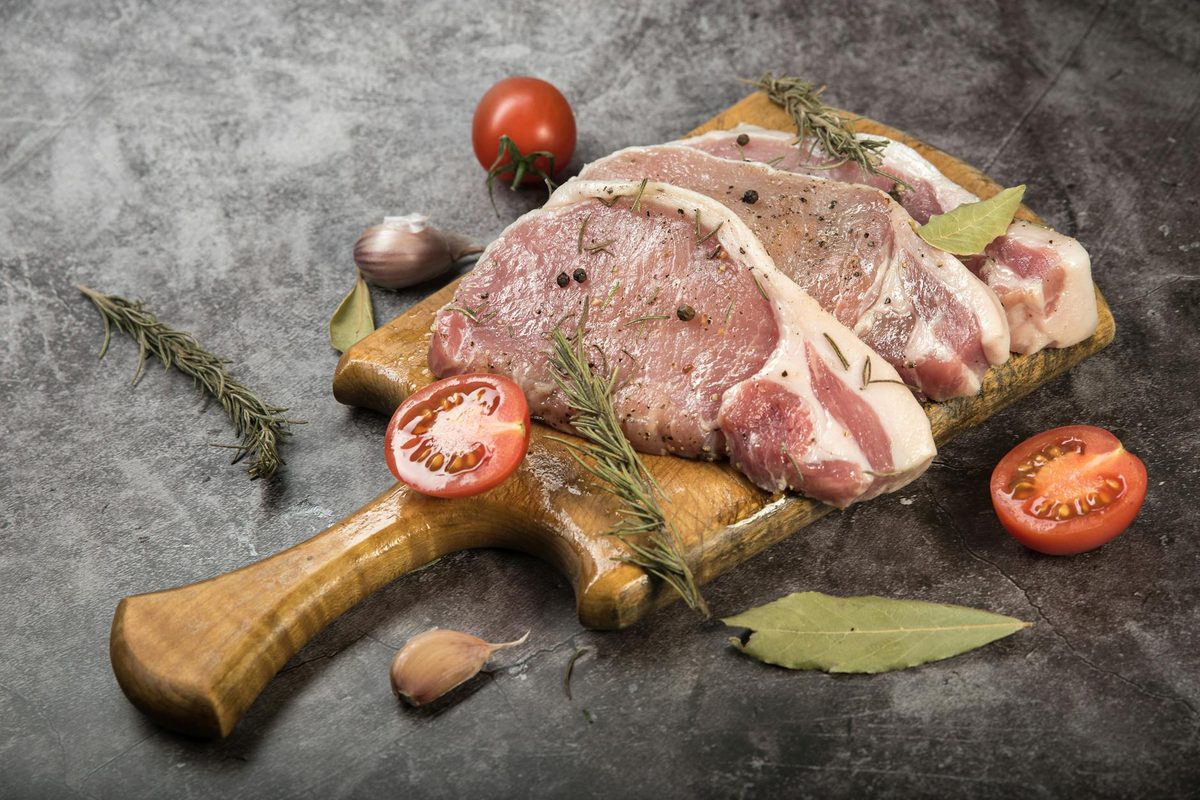
Raw dog food broadly refers to diets based on uncooked meat, bones, and organs, sometimes combined with vegetables, fruit, and supplements. The two main approaches are:
BARF (Biologically Appropriate Raw Food): A structured approach including muscle meat, raw meaty bones, organ meat, and a proportion of vegetables, fruit, and supplements to achieve nutritional balance. Originating with veterinarian Ian Billinghurst in the 1990s, it attempts to approximate what advocates believe dogs' wild ancestors ate.
Prey Model Raw: A stricter interpretation focused on whole or near-whole prey animals — muscle, bone, and organ in specific ratios — without plant material. Based on the premise that dogs thrive on what wolves eat.
Commercial raw: Pre-prepared frozen or freeze-dried raw food formulated to be nutritionally complete. This is the fastest-growing segment in the UK and is the most accessible route into raw feeding.
The Evidence for Raw Feeding
The research base for raw feeding is limited compared to conventional pet food, but what exists suggests some genuine potential benefits:
Coat and skin condition. Many raw feeders report improved coat condition, and there is some evidence that the higher fat content and natural omega fatty acids in raw food support skin health.
Dental health. Raw meaty bones provide mechanical cleaning of teeth and gums. Multiple studies support dental benefits from appropriate bone consumption.
Stool volume and frequency. Raw-fed dogs typically produce smaller, firmer stools and defecate less frequently, which reflects higher nutrient digestibility.
Palatability. Dogs find raw food highly palatable, which is relevant for picky eaters or dogs recovering from illness.
These are real and commonly observed outcomes. They are also achievable through high-quality conventional food in many cases.
The Risks to Take Seriously
Bacterial contamination. Raw meat, by its nature, carries a higher bacterial load than cooked or processed food. Studies have detected Salmonella, Listeria, E. coli, and Campylobacter in commercial raw dog food samples. Dogs are generally more resistant to these organisms than humans, but they can still become ill, and they can shed bacteria in their faeces — a consideration for households with young children, pregnant women, or immunocompromised individuals.
Nutritional imbalance. Homemade raw diets that have not been formulated by a qualified veterinary nutritionist are frequently deficient or imbalanced. Calcium-to-phosphorus ratios, in particular, are easy to get wrong and have serious consequences for bone health over time. Commercial raw foods with a "complete" designation are formulated to avoid these issues.
Bone hazards. Cooked bones should never be fed — they splinter and cause internal damage. Raw bones carry a lower but non-zero risk of obstruction, broken teeth, and internal damage depending on size, type, and how the dog eats.
Who Should Be Cautious
Raw feeding is not appropriate for all dogs:
- Immunocompromised dogs (those on chemotherapy, with immune disorders, or recovering from surgery)
- Dogs in households with immunocompromised humans
- Puppies under 12 weeks
- Dogs with a history of pancreatitis (raw diets are often high fat)
If You Want to Try Raw Feeding
Start with a commercial complete raw food from a reputable UK manufacturer that lists full nutritional analysis. This is significantly safer and simpler than attempting to balance a homemade raw diet.
Handle the food with the same hygiene precautions you would use for raw meat in your own kitchen. Wash bowls and preparation surfaces thoroughly. Dispose of uneaten food promptly.
Discuss with your vet before switching, particularly if your dog has any underlying health conditions.
Browse and compare independently rated commercial raw and conventional complete foods at furra.co.uk.

Find the best food for your dog
Browse our independent, algorithm-based ratings for every dog food sold in the UK.
Browse Dog Foods →About the Author

Co-founder, Furra
Gavin is a co-founder of Furra, helping build a platform that gives UK dog owners genuinely honest, data-driven information about what they're feeding their pets. Over the years he has shared his life with Charlie, a White German Shepherd, and Milo, a gentle Newfoundland, both dearly missed. At home he's now outnumbered by two Miniature Dachshunds, Bryn and Rodney, who between them have strong opinions about walk routes and sofa space.
View all articles →