

Your Basket

Your basket is empty

Add some items to get started

Continue Shopping

Dog Feeding Guide

A comprehensive guide to feeding your dog - what to feed, how much, when, and how to read dog food labels.

General Feeding Guidelines

Why Dog Food Matters

Food is the most important factor in your dog's life. Diet determines everything from the energy for daily activity to the nutrients that form tissues and support cellular processes. Nutritional balance is critical throughout all life stages, ultimately determining quality and length of life.
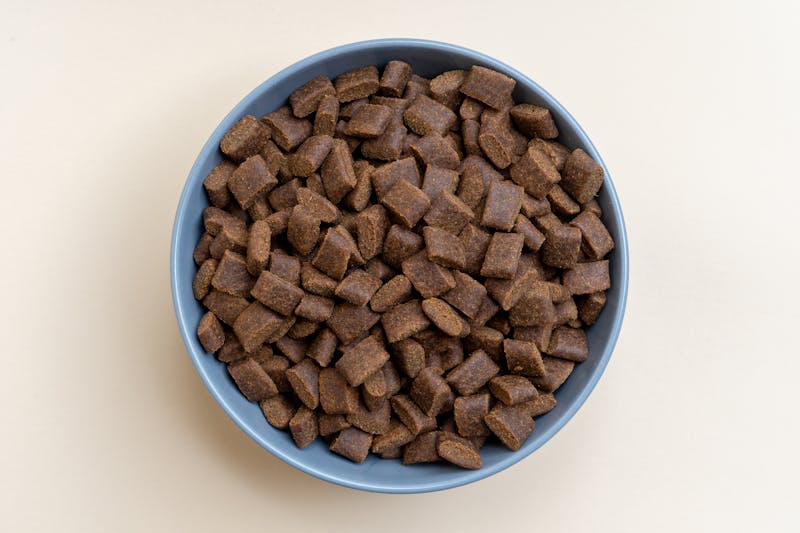
What to Feed Your Dog

No single answer exists - trial and error helps identify suitable options. Dogs thrive on different diets, requiring evaluation across food categories.

Complete Foods

The most popular choice for UK owners. Contains all required nutrients for independent feeding. Available as dry, wet, or raw.

Complementary Foods

Nutritionally incomplete - require pairing with home-prepared foods or complete diets. Mixer biscuits are cereal-based fillers.

Dry Foods

Most popular in the UK due to convenience. Processed through extrusion, baking, cold pressing, or air drying with varying nutrient retention effects.

Wet Foods

Contains 70-85% water content, beneficial for dogs with insufficient water intake. More palatable for selective eaters.

Raw Foods

Biologically Appropriate Raw Food (BARF) involves uncooked meat, bones, and vegetables. Complete raw foods offer convenient home-preparation alternatives.

How Much to Feed

The amount depends on weight, age, activity level, and food energy density. Product packaging provides the most reliable guidance. Our reviews enable comparing daily amounts and costs across products - higher-priced foods requiring smaller portions may cost less overall.

When to Feed

Adult dogs generally do well on one or two daily meals. Puppies need three to four feedings until six months, reducing to twice daily approaching adulthood. Consistent feeding times benefit dogs. Avoid exercise for at least an hour after feeding, particularly with larger breeds prone to bloat (gastric dilation-volvulus).

Changing Foods

Transition gradually over seven to ten days, slowly increasing the new food while decreasing the old. Sudden changes cause digestive upset.


Dog Food Labelling

The Ingredients List

By law, dog food manufacturers must list all ingredients in descending order of weight. The first ingredient appears in the greatest quantity, though pre-cooking weighing can misrepresent final contributions.

Avoid vague descriptions like "meat and animal derivatives" or "cereals" - these mask lower-quality ingredients. Quality foods specify ingredients clearly (e.g., "chicken" vs. "poultry").

The Typical Analysis

Shows minimum and maximum levels for protein, fat, fibre, ash (minerals), and moisture. These "crude" percentages estimate total amounts but are not digestibility measures.

Dog Food Nutrients

Protein

Essential for growth, maintenance, reproduction, and energy. Dogs require animal-source protein as they cannot synthesise certain essential amino acids from plant proteins alone. Named meat sources are preferred. Quality dry adult food typically contains 25-30%+ crude protein.

Fat / Oil

Provides energy and enables fat-soluble vitamin absorption (A, D, E, K). Supplies essential fatty acids (omega-3, omega-6) important for skin and coat health. Quality dry food typically contains 12-20% crude fat.

Fibre

Aids digestion and maintains healthy gut function. Most foods contain 2-5% crude fibre. Higher content benefits dogs prone to digestive issues or weight gain. Beet pulp is a commonly used fibre source that is moderately fermentable and well tolerated by most dogs.

Minerals / Ash

Ash represents the mineral content remaining after organic matter burns. High ash levels sometimes indicate lower-quality ingredients. Typical dry food ash content is 5-8%.

Vitamins

Essential for various bodily functions. Complete foods must contain required vitamins. Manufacturers typically add supplements ensuring minimum daily requirements regardless of base ingredient quality.

Feeding During Pregnancy & Nursing

The first five weeks of pregnancy require no significant nutritional changes. From week six onward, energy requirements increase significantly, warranting high-quality puppy food or pregnancy and nursing-specific formulations.

During nursing, energy requirements reach their highest levels - up to three to four times the normal maintenance level for a large litter. Fresh water must remain available at all times. Continue puppy food through weaning completion.

Feeding Puppies

Puppies have significantly higher nutritional requirements than adult dogs - more protein, fat, and calories per kilogram to support rapid growth.

Weaning to 8 Weeks

Begin weaning around three to four weeks. Introduce high-quality puppy food moistened with warm water.

8 Weeks to Adulthood

Feed complete puppy food three to four times daily until four months, reducing to twice daily around six months. Transition to adult food gradually, typically at 12 months (small and medium breeds) or 18-24 months (large breeds).

Large-breed puppies need a controlled level of calcium and phosphorus to prevent developmental bone problems. Use large-breed-specific puppy formulations.

Feeding Adults & Senior Dogs

Neutered Dogs

Neutering reduces energy requirements by approximately 30%. Without proportional food reduction, weight gain becomes likely. Reduce portions post-neutering and monitor body condition carefully.

Working / Active Dogs

Working and highly active dogs have significantly higher energy requirements than pet dogs. Higher protein and fat content foods are appropriate, providing sufficient energy without excessive bulk.

Small Breeds

Small breeds have faster metabolisms and higher energy requirements per kilogram of body weight than large breeds. Prefer smaller kibble sizes. Some manufacturers offer small-breed variants.

Large Breeds

More prone to joint problems and bloat. Foods with controlled calcium and phosphorus levels and joint-supporting ingredients (glucosamine, chondroitin) prove beneficial. Avoid excessively high energy-density foods.

Senior Dogs (7 years+)

Aging slows metabolism and decreases activity. Many benefit from a lower calorie, lower phosphorus diet that reduces kidney workload. Joint-supporting ingredients become increasingly important. Healthy, active senior dogs may thrive on quality adult food.

Feeding Fussy or Greedy Dogs

Fussy Dogs

Slightly warming food enhances aroma. Small palatable food additions (wet mixed with dry) help. Avoid frequent food changes that reinforce fussy behaviour. Remove uneaten meals and offer again next mealtime. A healthy dog will not starve itself.

Greedy Dogs

Split daily rations into frequent smaller meals. High-fibre foods increase satiety. Eliminate between-meal scraps and treats. For genuinely overweight dogs, switch to lower-calorie formulations and gradually increase exercise.

Feeding Dogs with Minor Health Problems

Important: Always consult your veterinarian before making dietary changes for diagnosed health conditions.

Digestive Upsets

Loose stools, excessive wind, and regular vomiting often improve with highly digestible foods featuring simple ingredient lists. Rice or potato carbohydrate sources with a single named meat protein work well. Avoid artificial additives, high fat, and cheap cereal fillers.

Skin & Coat Problems

Itchy skin, scurf, dull coat, and excessive moulting may have dietary origins. Try foods free from common allergens (wheat, soya, dairy, artificial additives). Omega-3 fatty acid-rich foods (fish oil, flaxseed) support skin and coat health.

Joint Problems

Glucosamine and chondroitin-containing foods support joint health. Maintaining a healthy body weight is important - even slight excess weight places significant additional strain on joints.

Hyperactivity

Some dogs respond poorly to artificial colourings, preservatives, or excessive cereal content. Switching to natural, lower-cereal formulations sometimes helps.

Urinary Problems

Bladder stone or urinary tract-prone dogs may benefit from lower mineral (ash) content food and increased water intake. Wet food or adding water to dry food helps.

Overweight Dogs

Reducing calorie intake while maintaining nutrients is key. Switch to light or weight-control formulations, reduce portions, and increase exercise. Avoid high-fat treats.