Beagle
The Beagle is one of Britain's most cherished dog breeds, with a hunting heritage stretching back centuries as a pack hound used to pursue hare across the countryside.
Originally bred for hunters on foot, this small hound has evolved into one of the world's most versatile and beloved family companions.
9-11kg
Weight
Small
Size
12-14yrs
Lifespan
About the Beagle
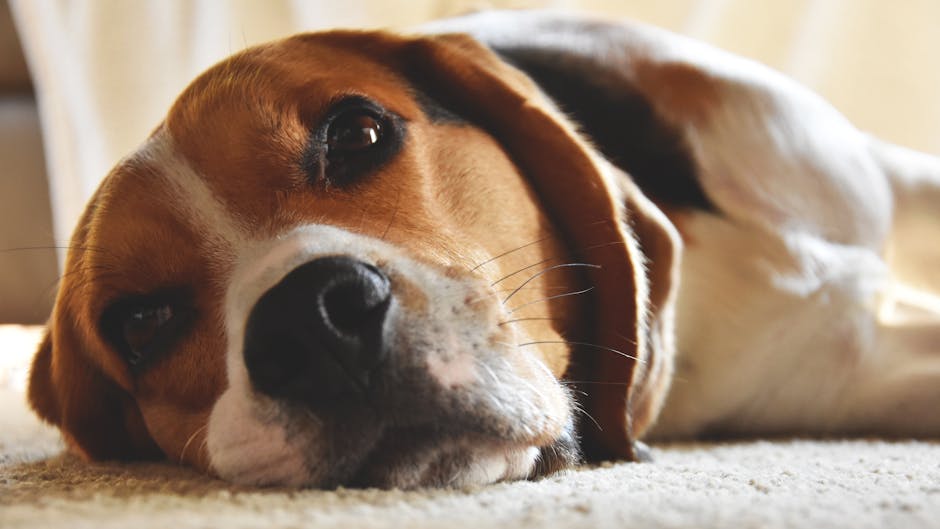
Standing 33–41 centimetres tall and weighing 9–11 kilograms, Beagles are compact yet sturdy, with a distinctive short coat most commonly seen in the classic tricolour of black, white and tan. Their large, soulful brown or hazel eyes and gentle expression have contributed significantly to their enduring popularity as family pets. Temperamentally, Beagles are cheerful, affectionate and sociable, making them excellent with children and other dogs. Their natural pack instinct means they thrive on companionship and can become unhappy if left alone for extended periods. However, prospective owners should be aware that their exceptionally strong nose and powerful hunting drive can override recall completely when following an interesting scent. For this reason, a secure garden and reliable lead training are essential. With appropriate attention and exercise, typically around one hour daily, the Beagle makes a truly devoted and rewarding companion for the right household.
Beagle at a Glance
- Group
- Hound
- Size
- Small
- Weight
- 9–11 kg
- Height
- 33–41 cm
- Lifespan
- 12–14 years
- Coat
- Short
- Sheds
- Yes
- Exercise
- Up to 1 hour per day
- Origin
- Great Britain
- Colours
- Lemon & White, Tri-color, White & Tan, Chocolate Tri, White & Chocolate, Orange & White, Red & White
- Typical price
- £400–£1500
Beagle Temperament
The Beagle is a cheerful, affectionate and sociable breed that makes an excellent family companion. Gentle yet playful and robust, it is a wonderful partner for children and adapts well to different living situations. Beagles are loyal and obedient with their owners, and should never display nervousness or aggression. As a pack hound, the breed is at its happiest with company, whether human or canine, and can become unhappy if left alone for extended periods. Their strong nose and hunting instincts mean secure gardens and reliable recall are essential. With the right attention, a Beagle is a truly versatile and devoted companion.
Beagle Lifestyle
The Beagle does well in a smaller home and is happy with a small or medium-sized outdoor space. They adapt well to both town and country living.
Dog Food for Beagle
Top-rated foods for Small breeds, ranked by FurScore. How we score →
Nutrition & Diet
Typically Beagles are active and energetic, so feeding a balanced diet suitable for medium-sized dog breeds such as . Obesity can be a common problem with Beagles, as they will eat any food they’re given in any amount. This dog breed relies heavily on the owner to regulate the food intake, so make sure to monitor your Beagle’s weight and feed the recommended daily amount for your dog’s weight. In addition, make sure to keep track of how many treats you give your Beagle, as they can add up in calories quickly. Beagles are somewhat prone to hypothyroidism and can easily gain weight, so light formulas for older or sedentary dogs of this breed will be the best bet. .
Recommended Food for Beagle
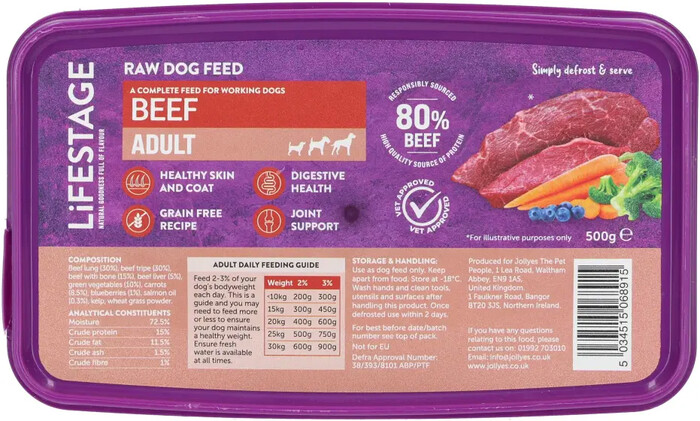

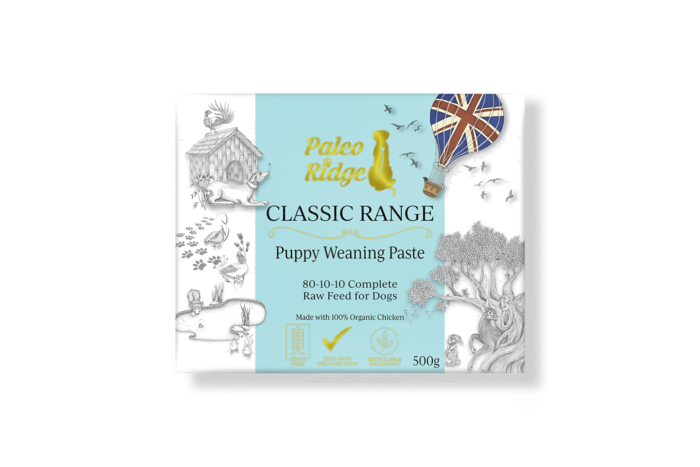



Beagle Food Costs
Estimated based on a typical Beagle weighing around 10 kg, using the food prices shown above.
Per day
£2.32 - £2.97
Per month
£70 - £89
Per year
£847 - £1083
Beagle Characteristics
The Beagle is a high-energy breed that needs a real outlet every day and is a quick learner and a pleasure to train. They thrive in a busy family environment, but can be left alone without too much trouble if their needs are met. The coat needs occasional grooming to stay tidy and is a moderate shedder. They are sharp and quick-witted, which is a joy, but means they need keeping mentally occupied.
Beagle Pros & Cons
Pros
- Highly adaptable and happy in town or country with enough daily exercise
- Loving, loyal and affectionate, a good choice for first-time owners
- A short, waterproof coat with minimal grooming needs
- Sociable and generally good with other dogs and children
Cons
- Prone to frequent barking if training doesn't address this early
- Scent distractions can make house training a slow process
- A strong hunting instinct can lead to escape attempts if the garden isn't secure
- An independent streak can complicate obedience training