Bedlington Terrier
The Bedlington Terrier is one of Britain's most distinctive breeds, instantly recognisable by its striking lamb-like appearance and graceful, athletic build.
Originating in the mining town of Bedlington in Northumberland during the nineteenth century, the breed was developed by local communities as a versatile working dog, capable of hunting rats, rabbits, hares and otters with impressive speed and determination.
8-10kg
Weight
Small
Size
12-14yrs
Lifespan
About the Bedlington Terrier
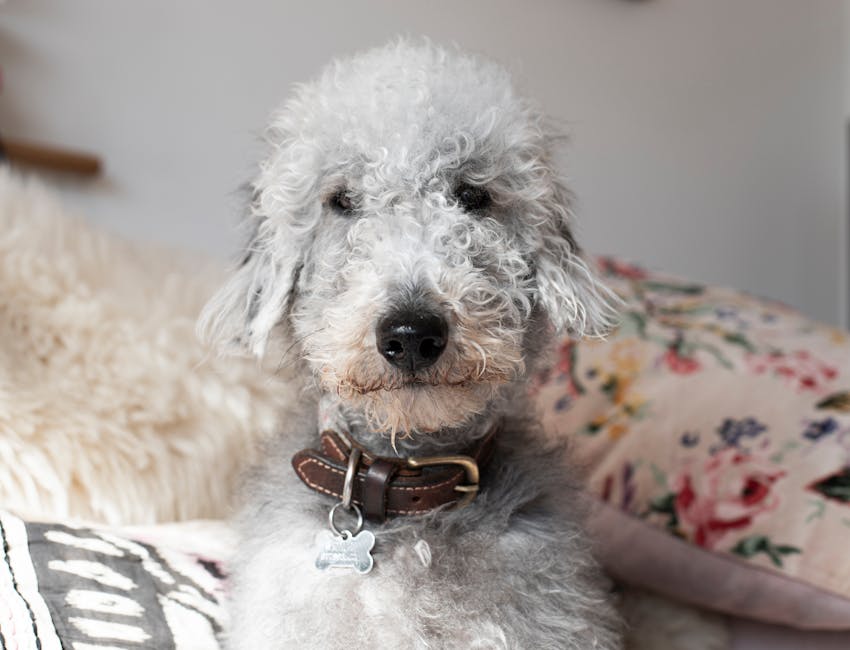
Today, these small dogs, weighing 8–10 kg and standing 38–44 cm tall, remain wonderfully characterful companions that blend affectionate loyalty with spirited energy. Bedlington Terriers have distinctive physical features including a pear-shaped head crowned with a characteristic fleecy topknot, a lithe and arched body, and a unique curly, linty coat in blue, liver or sandy shades. Their non-shedding coat requires specialist grooming every six to eight weeks to maintain the breed's iconic appearance. Behind their gentle, docile exterior lies true terrier tenacity and courage, making them far more than just a pretty face. Intelligent and eager to please, they respond well to consistent, positive training and make excellent family dogs for owners who appreciate their balance of affection and alertness. With early socialisation, they typically settle well with children and household members, though their spirited terrier nature means they benefit from active engagement and up to an hour's daily exercise.
Bedlington Terrier at a Glance
- Group
- Terrier
- Size
- Small
- Weight
- 8–10 kg
- Height
- 38–44 cm
- Lifespan
- 12–14 years
- Coat
- Medium
- Sheds
- No
- Exercise
- Up to 1 hour per day
- Typical price
- £600–£1000
Bedlington Terrier Temperament
The Bedlington Terrier is a graceful, affectionate and good-tempered breed that belies its lamb-like appearance with a surprisingly courageous spirit. Loyal and devoted to its family, it attaches itself readily to all household members and is generally good with children. While gentle in the home, it retains the true terrier tenacity and should not be underestimated. Bedlingtons are intelligent and eager to please, responding well to consistent, positive training. They can be spirited with other dogs if challenged, so early socialisation is beneficial. As a family dog they offer a wonderful balance of character, combining affectionate loyalty with alertness and lively energy.
Bedlington Terrier Lifestyle
The Bedlington Terrier adapts well to life in a smaller house and does well with some outdoor space, even if it isn't large. Whether in the city or the countryside, they tend to settle well.
Dog Food for Bedlington Terrier
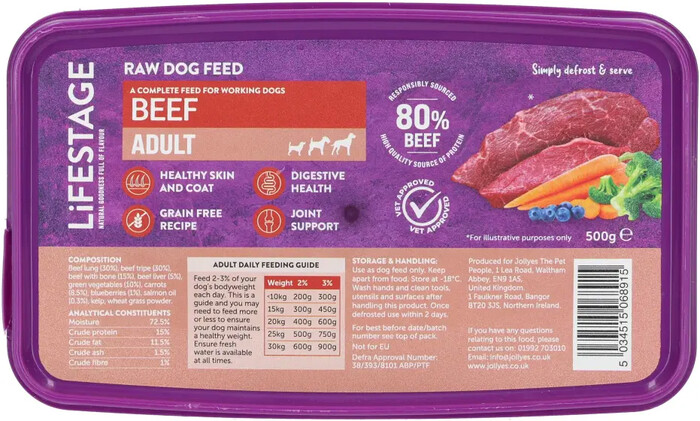
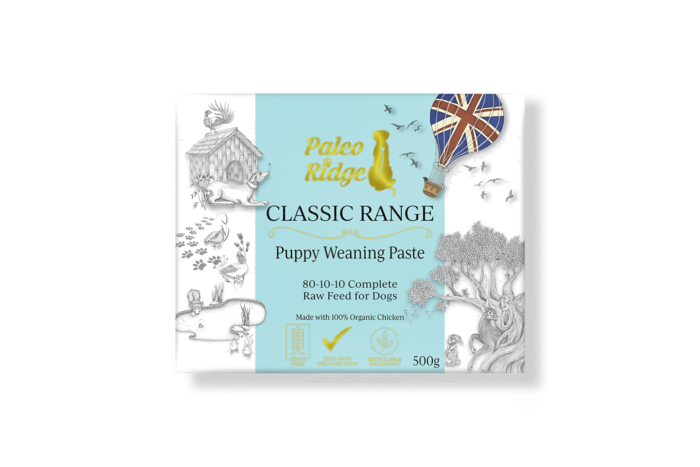
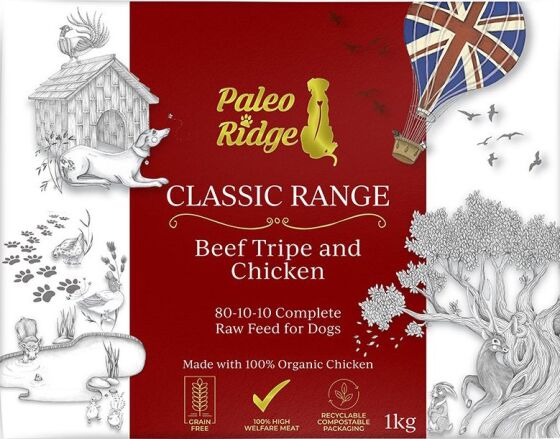
Top-rated foods for Small breeds, ranked by FurScore. How we score →
Recommended Food for Bedlington Terrier



Bedlington Terrier Food Costs
Estimated based on a typical Bedlington Terrier weighing around 9 kg, using the food prices shown above.
Per day
£2.14 - £2.74
Per month
£64 - £82
Per year
£783 - £1001
Bedlington Terrier Characteristics
The Bedlington Terrier demands serious exercise and won't be happy with a quick stroll around the block and trains well and tends to enjoy learning new skills. They are very patient and gentle with kids, but can be left for short to moderate periods without issue. The coat benefits from a brush once or twice a week and sheds moderately. They are sharp and quick-witted, which is a joy, but means they need keeping mentally occupied.
Bedlington Terrier Pros & Cons
Pros
- Mild-mannered and affectionate with a distinctive lamb-like appearance
- A low-shedding coat that suits households with allergy concerns
- Highly adaptable little dogs that make wonderful family companions
- Generally calmer indoors than most terriers, suiting families with older children
Cons
- Professional grooming every six to eight weeks is needed to prevent matting
- A strong prey drive needs careful management around small animals
- Can be stubborn and needs consistent, patient training
- Prone to separation anxiety when left on their own for long periods