Bloodhound
The Bloodhound is one of the oldest and most celebrated scent hound breeds, with origins tracing back to ancient Belgium and the monastery of Saint-Hubert, where monks selectively bred these remarkable dogs for their extraordinary tracking abilities.
The breed name, thought to refer to its pure aristocratic lineage, was established in Britain following the Norman conquest and refined over centuries.
40-54kg
Weight
Large
Size
7-8yrs
Lifespan
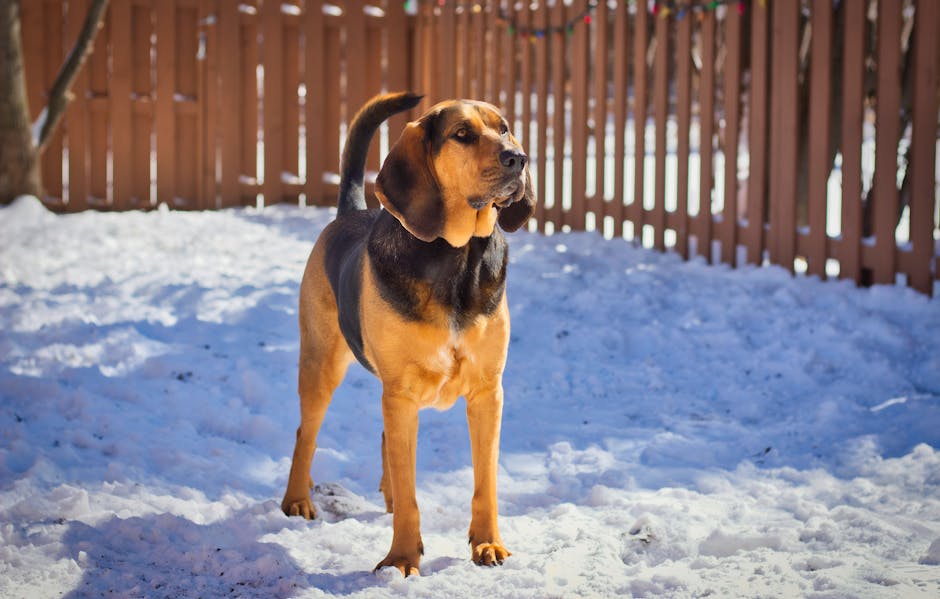
About the Bloodhound
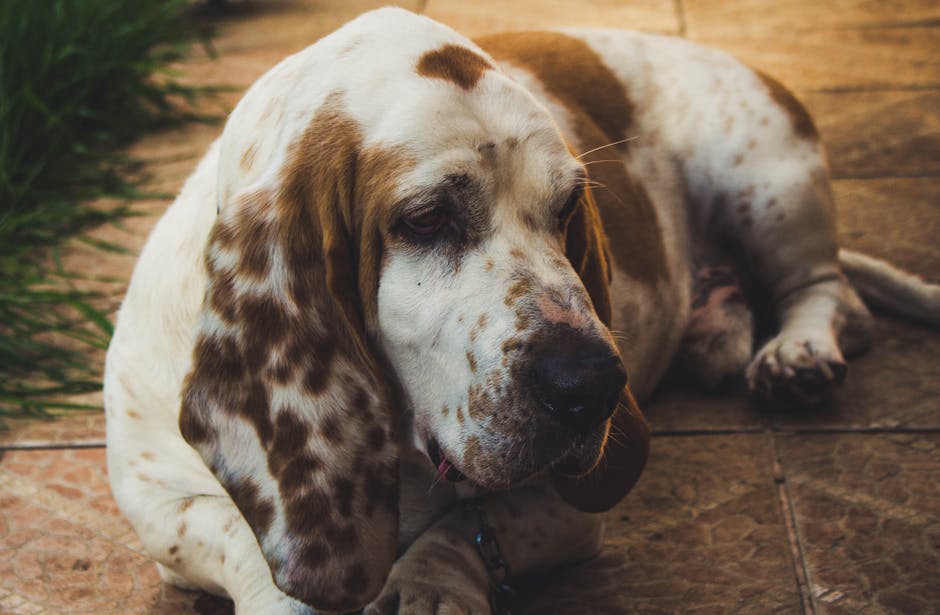
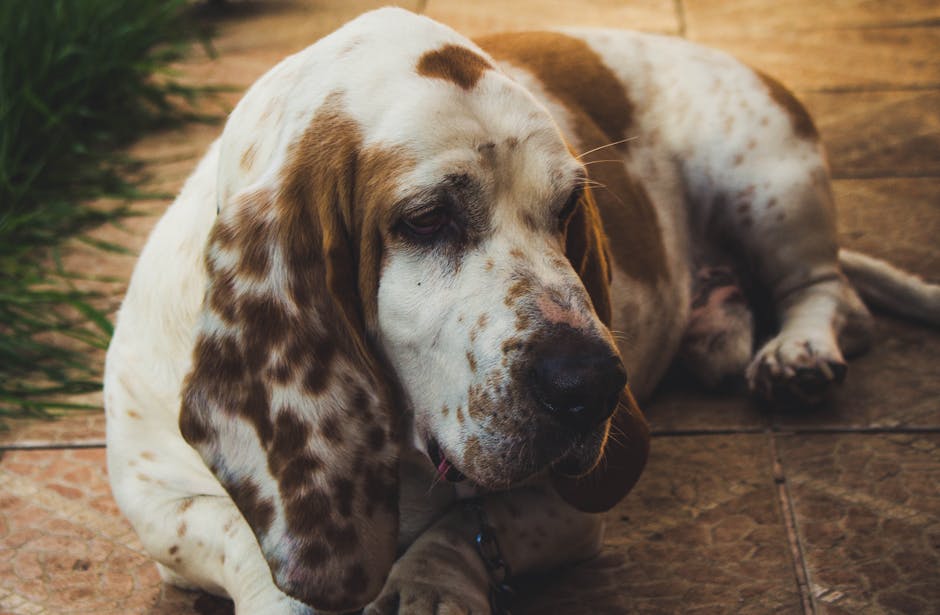
A large, heavy-boned dog, the Bloodhound stands 58–72 centimetres at the shoulder and weighs 40–54 kilograms, distinguished by deeply wrinkled skin, long pendulous ears, and a characteristically sorrowful expression. Its short coat appears in black and tan, liver and tan, or red. At home, the Bloodhound reveals itself as a gentle, affectionate companion, calm and good-natured with children, though its substantial size requires supervision. Once comfortable with new people, it becomes warm and devoted, though it remains somewhat reserved on first meeting, preferring to scent a stranger before offering greeting. Its determination when following a scent is legendary and nearly impossible to interrupt. Considerable drooling and a deep, resonant bark are simply part of the breed's charm. With patient training, secure exercise areas, and over two hours of daily activity, the Bloodhound makes a surprisingly devoted family companion with a fascinating and distinguished heritage.
Bloodhound at a Glance
⚠ Vulnerable Native Breed
The Bloodhound is listed as a Vulnerable Native Breed by the Royal Kennel Club, meaning fewer than 300 puppies of this breed are registered each year in the UK. These are British and Irish breeds at risk of disappearing simply because not enough people know they exist. Choosing one of these breeds helps keep an important part of our heritage alive.
- Group
- Hound
- Size
- Large
- Weight
- 40–54 kg
- Height
- 58–72 cm
- Lifespan
- 7–8 years
- Coat
- Short
- Sheds
- Yes
- Exercise
- More than 2 hours per day
- Typical price
- £800–£1500
Bloodhound Temperament
The Bloodhound is a gentle, reserved and affectionate breed with an extraordinary nose that defines much of its character. Somewhat cautious at first introduction, preferring to scent a new person before greeting them, it becomes warm and devoted once comfortable. At home it is calm and good-natured, generally tolerant with children, though its size warrants supervision. It will alert to visitors with a deep, resonant bark but is no guard dog. Bloodhounds are determined and single-minded when following a scent, requiring patient training and secure exercise areas. Their loose skin and tendency to drool are simply part of the charm of this wonderful, ancient breed.
Bloodhound Lifestyle
The Bloodhound needs a reasonably large house to be comfortable and is ideally suited to a home with a big garden. They are best suited to a rural setting.
Dog Food for Bloodhound
Top-rated foods for Large breeds, ranked by FurScore. How we score →
Recommended Food for Bloodhound
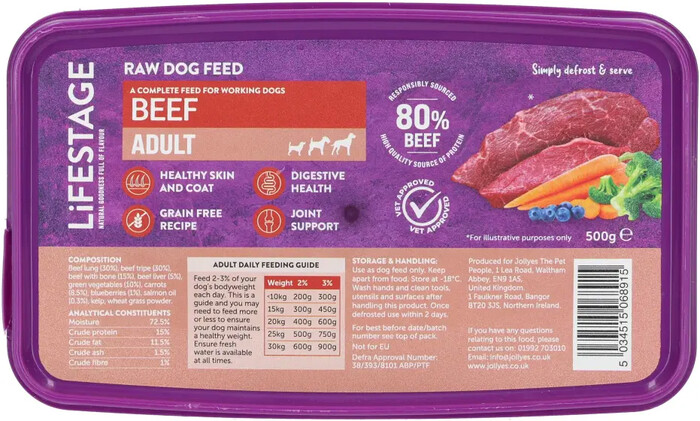

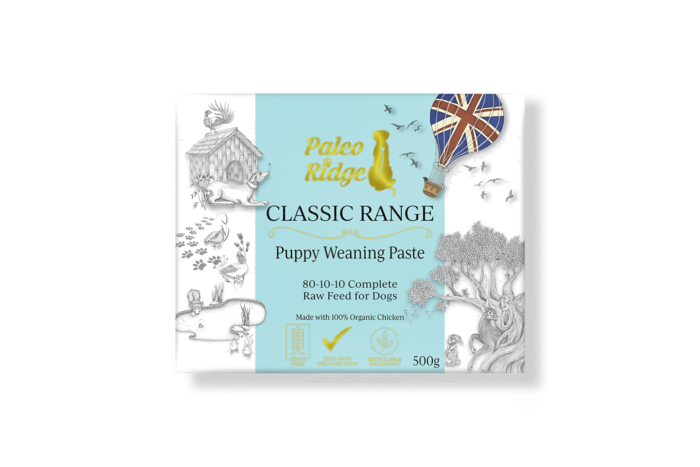



Bloodhound Food Costs
Estimated based on a typical Bloodhound weighing around 47 kg, using the food prices shown above.
Per day
£7.41 - £9.47
Per month
£222 - £284
Per year
£2703 - £3456
Bloodhound Characteristics
The Bloodhound thrives with vigorous daily activity and lots of space to burn off energy and responds to training reasonably well, especially when motivated. They are well known for being gentle and patient with young children, but manage alone time well enough, though they certainly prefer company. The coat isn't too demanding but does need consistent brushing and sheds at a typical rate for the breed type.
Bloodhound Pros & Cons
Pros
- Unparalleled scent tracking ability, used worldwide by police and rescue services
- Gentle and patient with a temperament well suited to families
- Deeply loyal and forms strong bonds with their owners
- A short, weather-resistant coat that is easy to maintain
Cons
- Needs at least two hours of exercise and scent-based mental stimulation daily
- Can be difficult to train thanks to a stubborn, independent nature
- A secure, high fence is essential given their drive to follow a scent and roam
- Prone to drooling and carries a distinctive odour that owners need to stay on top of