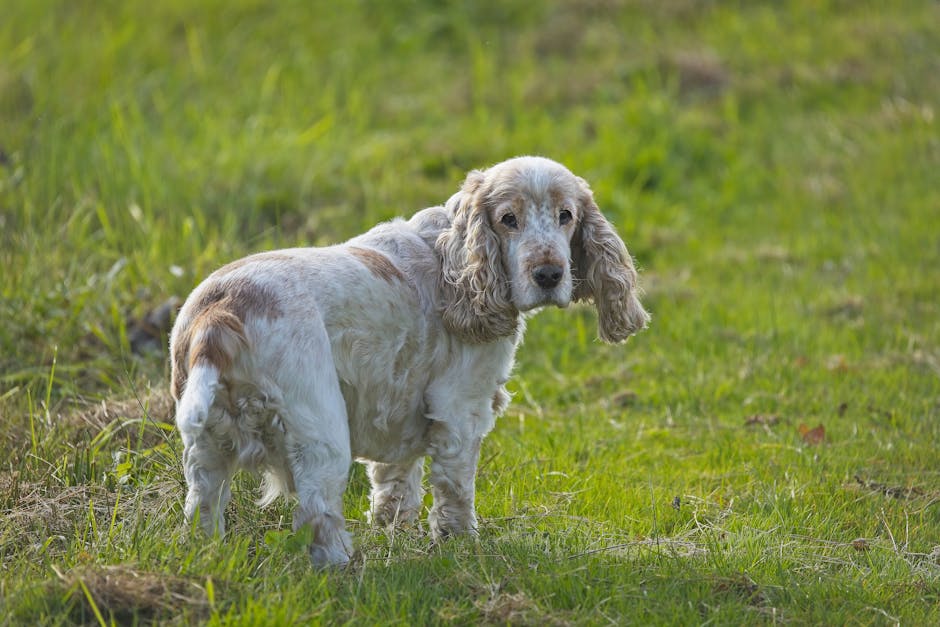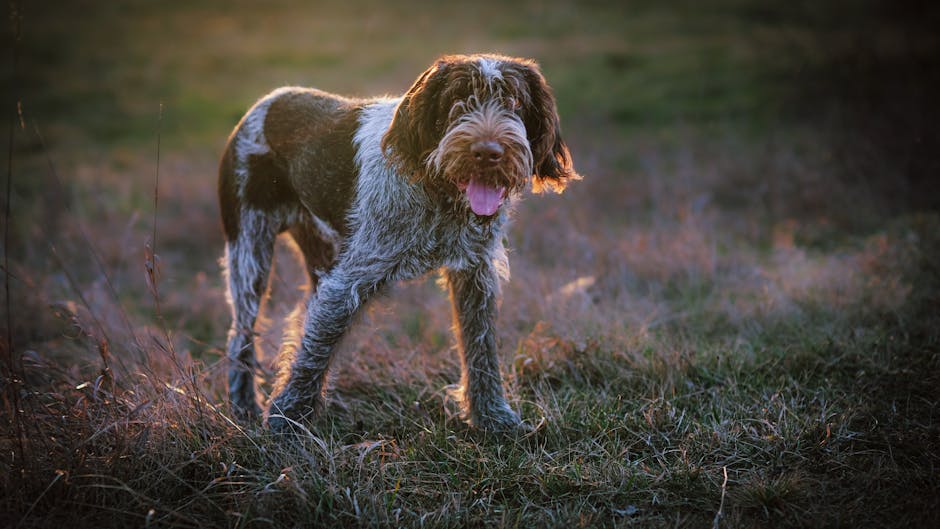
Braque d Auvergne
The Braque d'Auvergne is an elegant French pointing breed with deep roots in the Auvergne region of central France, where it was developed as a versatile gundog for hunting across the volcanic highlands.
Legend suggests the breed's ancestors were brought to France by the Knights of Malta, contributing to its refined character.
22-28kg
Weight
12-14yrs
Lifespan
About the Braque d Auvergne
This medium to large gundog stands between 51 and 65 centimetres at the shoulder and weighs 22 to 28 kilograms, displaying a striking black and white ticked or mottled coat, often with black patches. The breed's characteristic long ears and gentle expression reflect its origins as a pointing breed. Temperamentally, the Braque d'Auvergne is calm, sociable, and gentle both in the field and at home, typically integrating well with children and other dogs when properly socialised. As a working dog, it possesses a natural point and soft mouth, demonstrating enthusiasm and willingness in the hunt. For those considering one as a companion, the breed requires substantial daily exercise and will not thrive in sedentary households. With a lifespan of 12 to 14 years, the Braque d'Auvergne remains rare in the United Kingdom, though it maintains a dedicated following among enthusiasts of French hunting breeds.
Braque d Auvergne at a Glance
- Group
- Gundog
- Weight
- 22–28 kg
- Height
- 51–65 cm
- Lifespan
- 12–14 years
- Typical price
- £800–£1500
Braque d Auvergne Characteristics
The Braque d Auvergne is an active breed that needs a lot of exercise and is easy to train. They are one of the most child-friendly breeds you'll find, but are okay left alone for a few hours at a time. The coat is manageable with a regular brushing routine and sheds steadily throughout the year. Exceptionally clever, they thrive when given jobs to do or puzzles to solve.
Braque d Auvergne Pros & Cons
Pros
- Loyal and affectionate family companions with a calm home demeanour
- Excellent stamina and endurance for outdoor activities and working roles
- Intelligent and highly trainable, doing well in obedience and fieldwork
- The short coat is easy to care for with minimal grooming needed
Cons
- A high prey drive needs careful management around small animals
- Not well suited to novice owners given the exercise and training demands
- Prone to separation anxiety if left alone for long periods
- Sheds moderately with heavier periods during seasonal coat changes