Deerhound
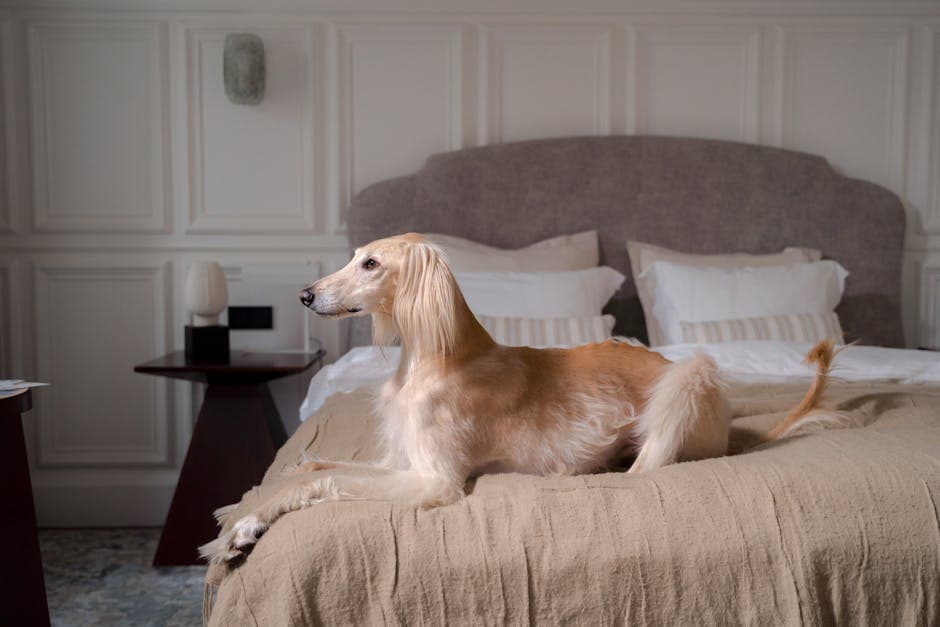
The Scottish Deerhound is one of Britain's most distinguished and ancient breeds, with roots tracing back to the Scottish Highlands, where it was historically used to hunt red deer across moorland and forest.
Such was the breed's prestige that ownership was once restricted to nobility, and a Deerhound was considered a gift of extraordinary value.
46-46kg
Weight
Large
Size
8-9yrs
Lifespan
About the Deerhound
Today, this majestic hound retains much of its aristocratic bearing, standing 71–81 centimetres at the shoulder with a lean, athletic build typical of sighthounds. Its distinctive wiry coat, ranging from dark blue-grey to sandy or red fawn, provided protection against harsh Scottish weather. Despite its impressive size and hunting heritage, the Deerhound is remarkably gentle and affectionate, combining quiet dignity with deep loyalty to its family. The breed is patient with children, sociable with other dogs, and generally calm indoors, content to rest beside its owners. However, prospective owners should understand that Deerhounds require generous daily exercise, including regular opportunities to gallop freely in a secure area, as their strong chase instinct means they cannot be trusted off lead near small animals. With a lifespan of eight to nine years, the breed demands commitment from those with adequate space to accommodate its considerable size and exercise requirements.
Deerhound at a Glance
⚠ Vulnerable Native Breed
The Deerhound is listed as a Vulnerable Native Breed by the Royal Kennel Club, meaning fewer than 300 puppies of this breed are registered each year in the UK. These are British and Irish breeds at risk of disappearing simply because not enough people know they exist. Choosing one of these breeds helps keep an important part of our heritage alive.
- Group
- Hound
- Size
- Large
- Weight
- 46–46 kg
- Lifespan
- 8–9 years
- Coat
- Medium
- Sheds
- Yes
- Exercise
- More than 2 hours per day
- Typical price
- £800–£1500
Deerhound Temperament
The Deerhound is a gentle, dignified breed that combines impressive size with a calm and affectionate nature. Devoted to its family, it is patient and kind with children and generally gets along well with other dogs. Despite a history as a swift hunting dog, the Deerhound is remarkably docile indoors, content to laze beside its owners for much of the day. It does need regular free-running exercise in a secure area, as its sighthound instincts mean it may chase small animals. The breed is sensitive and responds best to gentle, positive training. Loyal and quiet-natured, the Deerhound makes a wonderfully companionable pet for those with the space to accommodate it.
Deerhound Lifestyle
The Deerhound is best matched to a larger house with room to roam and suits a home with a large garden where they can roam freely. They thrive in a rural setting and may find busy city life a little overwhelming.
Dog Food for Deerhound
Top-rated foods for Large breeds, ranked by FurScore. How we score →
Recommended Food for Deerhound

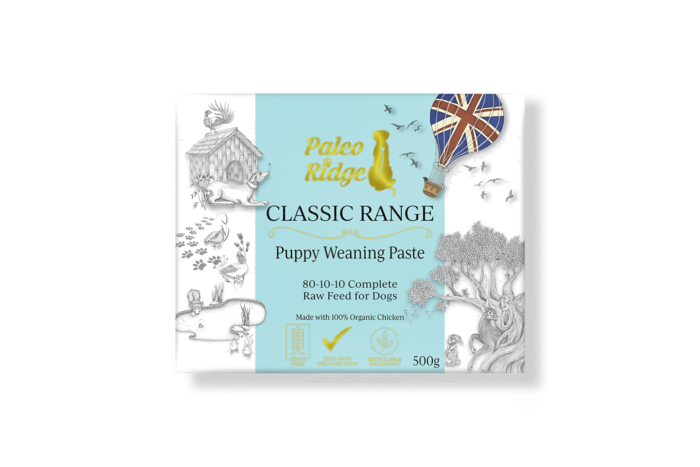


Deerhound Food Costs
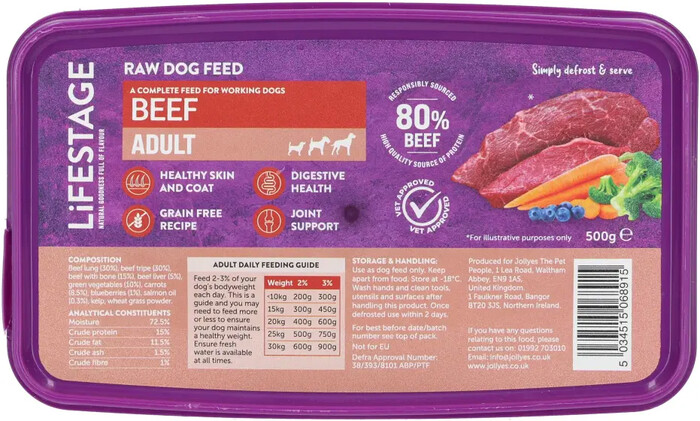
Estimated based on a typical Deerhound weighing around 46 kg, using the food prices shown above.
Per day
£7.29 - £9.32
Per month
£219 - £280
Per year
£2660 - £3401
Deerhound Characteristics
The Deerhound thrives with vigorous daily activity and lots of space to burn off energy and is one of the easier breeds to train. They are well known for being gentle and patient with young children, but manage alone time well enough, though they certainly prefer company. The coat isn't too demanding but does need consistent brushing and sheds at a typical rate for the breed type. This is a very clever breed that benefits from puzzle toys and training to keep their mind busy.
Deerhound Pros & Cons
Pros
- A gentle giant with a calm, dignified temperament that suits family life well
- Wonderful with children, showing real patience and gentleness despite their size
- Responds well to positive reinforcement training
- Generally quiet indoors and easy-going around the home
Cons
- Best suited to an experienced owner familiar with the needs of large sighthounds
- High prey drive means a secure environment and solid early training are essential
- Needs substantial daily exercise to stay healthy and happy
- Susceptible to osteosarcoma and bloat, so regular health monitoring is important