Dobermann
The Dobermann is a striking working breed that originated in Germany during the late nineteenth century, developed by Karl Friedrich Louis Dobermann to create an outstanding protection dog.
Through careful selective breeding, he combined several breeds to produce a dog of exceptional intelligence, loyalty, and capability that remains highly regarded today.
32-45kg
Weight
Large
Size
12-14yrs
Lifespan
About the Dobermann
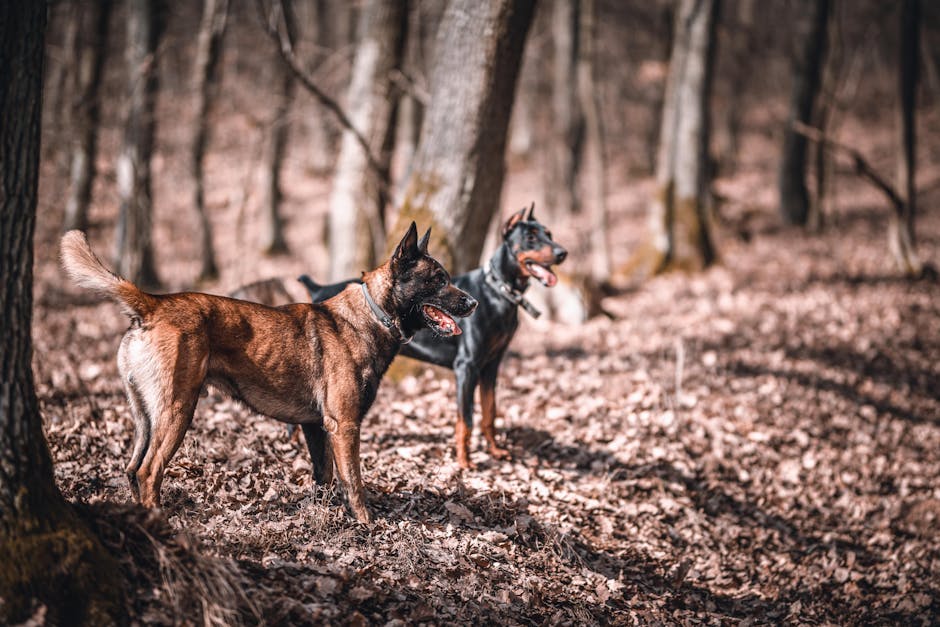
Standing 63 to 72 centimetres tall and weighing 32 to 45 kilograms, the Dobermann is a lean, muscular dog with a short coat typically black or brown, marked with distinctive rust-coloured points. This is an intelligent and deeply loyal companion that forms strong bonds with its family, displaying genuine affection and playfulness at home. Whilst naturally watchful around strangers, the breed should never be nervous or aggressive without cause. The Dobermann thrives with experienced owners who can provide firm, consistent training and early socialisation, helping it develop into a well-rounded family member. This breed requires more than two hours of daily exercise and considerable mental stimulation to remain content. With the right ownership, guidance, and commitment, the Dobermann rewards its family with an exceptional level of companionship and partnership, living between 12 and 14 years.
Dobermann at a Glance
- Group
- Working
- Size
- Large
- Weight
- 32–45 kg
- Height
- 63–72 cm
- Lifespan
- 12–14 years
- Coat
- Short
- Sheds
- Yes
- Exercise
- More than 2 hours per day
- Origin
- Germany
- Colours
- black or chocolate brown, white, blue, cream
- Typical price
- £600–£2200
Dobermann Temperament
The Dobermann is an intelligent, loyal and versatile dog that forms deep bonds with its family. It is typically affectionate and gentle with those it knows, enjoying being close to its owners and often behaving in an endearingly human way. With children in its own household it can be an excellent playmate, though it carries itself with a natural confidence that requires a calm, consistent owner. The Dobermann can be reserved or watchful around strangers, which is a natural part of its character, but it should never be nervous or aggressive without cause. Early socialisation and firm, positive training are essential to ensure it grows into a well-rounded companion.
Dobermann Lifestyle
The Dobermann does best with plenty of indoor space and needs access to a large garden. They adapt well to both town and country living.
Dog Food for Dobermann
Top-rated foods for Large breeds, ranked by FurScore. How we score →
Nutrition & Diet
Dobermans are a dog breed that is extremely sensitive to any nutritional deficiencies. Healthy diet with high levels of protein, all the necessary vitamins and minerals will ensure your dog stays in great shape. Dobermans are not too picky when it comes to food - they should enjoy both dry and wet food, but will usually prefer the type of food they are the most accustomed to. If you want to change your dog’s diet don’t forget about the transition period, where you’ll be mixing the new formula with your dog’s current diet. That way the digestive system of your dog has a chance to get used to the new formula. As dobermans enjoy physical activity they will need a high-protein diet that is higher in calories. With age the activity level of your dog can decrease, and so should the amount of calories in his diet. Every dog is different, so daily food intake should be calculated based on your dog’s weight, lifestyle and individual preferences. Suitable food for Doberman is for example Hypoaleergenic Flexcare Adult Large Breeds.
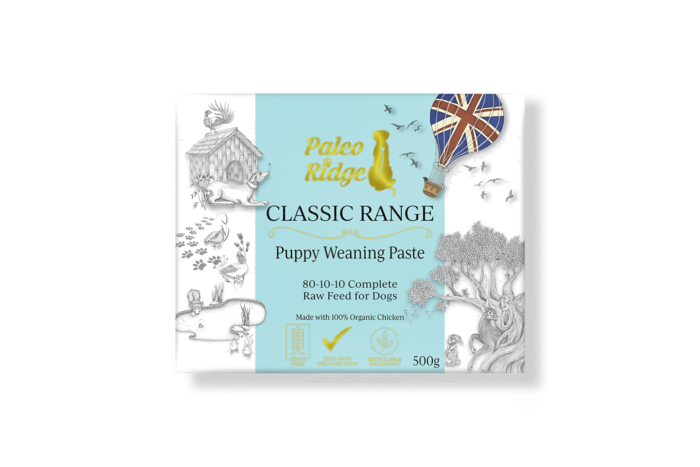
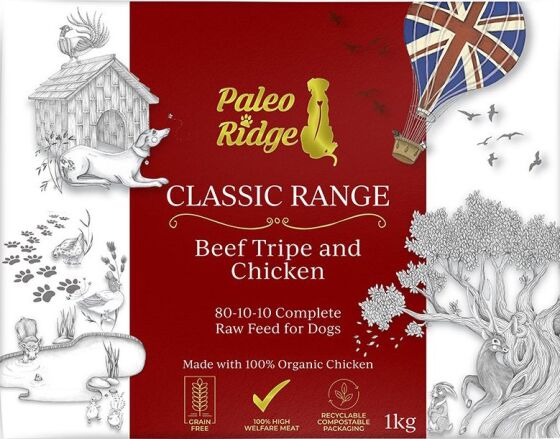
Recommended Food for Dobermann


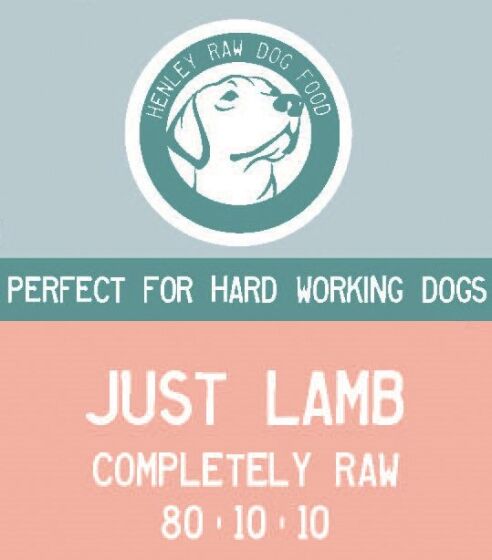
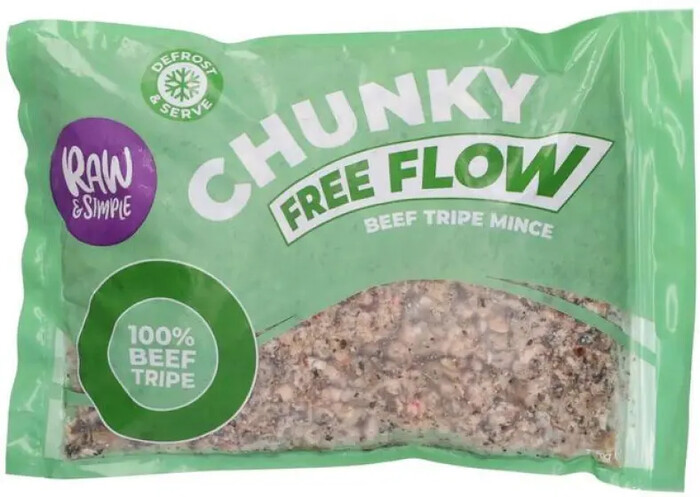
Dobermann Food Costs
Estimated based on a typical Dobermann weighing around 39 kg, using the food prices shown above.
Per day
£6.38 - £8.15
Per month
£191 - £245
Per year
£2328 - £2976
Dobermann Characteristics
The Dobermann is built for activity and needs owners who can keep up and is eager to please and takes to training naturally. They are generally good with children and are happy to be left for reasonable periods. The coat requires moderate upkeep and produces a reasonable amount of loose hair. They are a highly intelligent breed that needs mental stimulation as well as physical exercise.
Dobermann Pros & Cons
Pros
- A loyal and devoted companion with strong natural protective instincts
- Short coat is low-maintenance and easy to keep in good condition
- An impressive, athletic dog with a noble appearance
- Highly intelligent and responsive to positive, consistent training
Cons
- Best suited to an experienced owner who understands the breed's needs
- Needs plenty of daily exercise and mental stimulation to stay balanced
- Can become dominant without early socialisation and clear, consistent boundaries
- Prone to certain inherited health conditions that require regular testing and monitoring