
English Bulldog
The English Bulldog stands as one of Britain's most recognisable breeds, with a fascinating history that transformed it from a fierce competitor in the now-banned sport of bull-baiting into a gentle family companion.
Following the Cruelty to Animals Act of 1835, dedicated breeders selectively developed the modern Bulldog by breeding away from aggression and towards the calm, affectionate temperament we see today.
22-25kg
Weight
Medium
Size
8-10yrs
Lifespan

About the English Bulldog
Compact and heavily built, standing 31–40 centimetres tall and weighing 22–25 kilograms, the breed is instantly recognisable by its broad, wrinkled head, pushed-in nose, and characteristic rolling gait. Its short coat comes in various colours and sheds regularly throughout the year. Temperamentally, the Bulldog is good-natured, dependable, and deeply affectionate, forming strong bonds with its entire family. Though occasionally stubborn, it is generally docile and gentle, making it a reliable companion for households with children. The breed enjoys human company and, with early socialisation, gets along well with other dogs. With relatively modest exercise needs of up to one hour daily, the Bulldog suits owners who prefer a more relaxed pace of life. However, prospective owners should be aware that the breed's distinctive physical features can carry health implications, making responsible breeding practices and dedicated veterinary care essential.
English Bulldog at a Glance
- Group
- Utility
- Size
- Medium
- Weight
- 22–25 kg
- Height
- 31–40 cm
- Lifespan
- 8–10 years
- Coat
- Short
- Sheds
- Yes
- Exercise
- Up to 1 hour per day
- Origin
- England
- Colours
- White, Fawn, Piebald, Fawn & White, Brindle & White, Red & White, Red Brindle, Red
- Typical price
- £700–£2500
English Bulldog Temperament
The English Bulldog is a good-natured, dependable and affectionate breed that forms close bonds with its entire family. Despite a somewhat stubborn streak, it is generally docile and gentle, making it a reliable companion for households with children. It tends to be sociable and enjoys the company of people, though it can be determined when it has made up its mind about something. Training requires patience and consistency, as the Bulldog responds best to calm, positive methods. It has a relatively low energy level and suits owners who appreciate a more relaxed pace of life. Early socialisation helps ensure it is confident and well-mannered around other dogs and visitors.
English Bulldog Lifestyle
The English Bulldog adapts well to life in a smaller house and does well with some outdoor space, even if it isn't large. They are comfortable in either a town or rural environment.
Dog Food for English Bulldog
Top-rated foods for Medium breeds, ranked by FurScore. How we score →
Nutrition & Diet
Well-balanced and a high-quality diet is vital to your dog’s health and overall good condition. Since Bulldogs are fond eaters, they can gain weight rather quickly. Ad libitum feeding may not be the greatest solution with this breed - it is better to feed your dog two meals a day instead. Always feed the recommended amounts - either consult your veterinarian or refer to food amount recommendations on the packaging. Feed the diet appropriate to your dog’s age and size. For an adult Bulldog Husse , a feed aimed specifically at medium size dog breeds will be suitable. Since Bulldogs enjoy chewing, supplying their diet with chewable treats such as Tandrep Plus, Dental or Tugg Plus from Husse can help with curbing your dogs' need to chew.
Recommended Food for English Bulldog


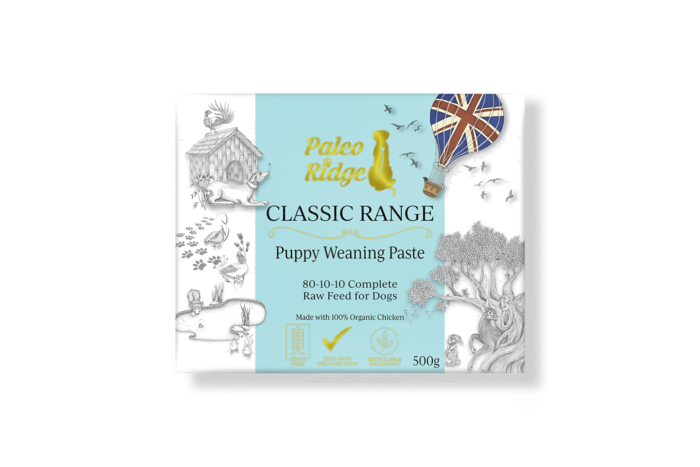


English Bulldog Food Costs
Estimated based on a typical English Bulldog weighing around 24 kg, using the food prices shown above.
Per day
£4.40 - £5.63
Per month
£132 - £169
Per year
£1607 - £2055
English Bulldog Characteristics
The English Bulldog benefits from regular activity without needing marathon sessions and benefits from regular, short training sessions rather than long ones. They are incredibly tolerant of the rough-and-tumble nature of family life, but cope reasonably well on their own as long as they're well exercised first. The coat is reasonably straightforward to keep well-groomed and sheds at a fairly average rate.
English Bulldog Pros & Cons
Pros
- Extremely loyal and reliably good around children of all ages
- Highly adaptable, equally content in a flat or house as long as they get regular exercise
- Confident and easy-going, rarely barking without good reason
- Short, smooth coat that is very easy to maintain
Cons
- Prone to loud snoring, which can be hard to ignore at night
- Can be stubborn when the mood takes them
- Can be possessive around food, so feeding routines need clear boundaries
- The breed carries a number of significant health conditions that need ongoing management