Giant Schnauzer
The Giant Schnauzer is the largest of the three Schnauzer varieties, developed in Bavaria during the nineteenth century as a robust working dog.
Bred from Standard Schnauzers crossed with larger breeds such as the Great Dane, these powerful animals were originally used to drive cattle and guard farms and breweries.
25-34kg
Weight
Large
Size
12-14yrs
Lifespan
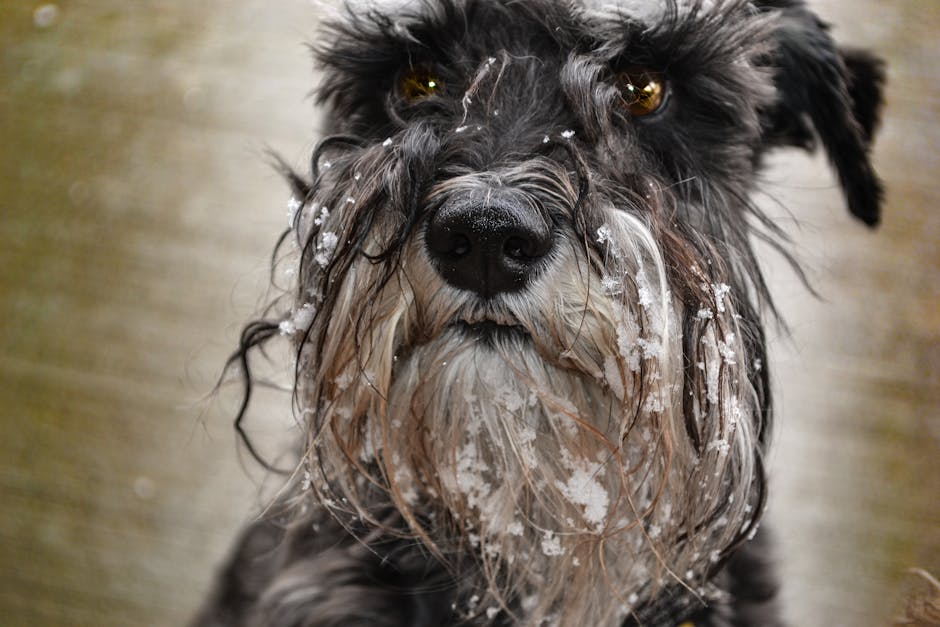
About the Giant Schnauzer
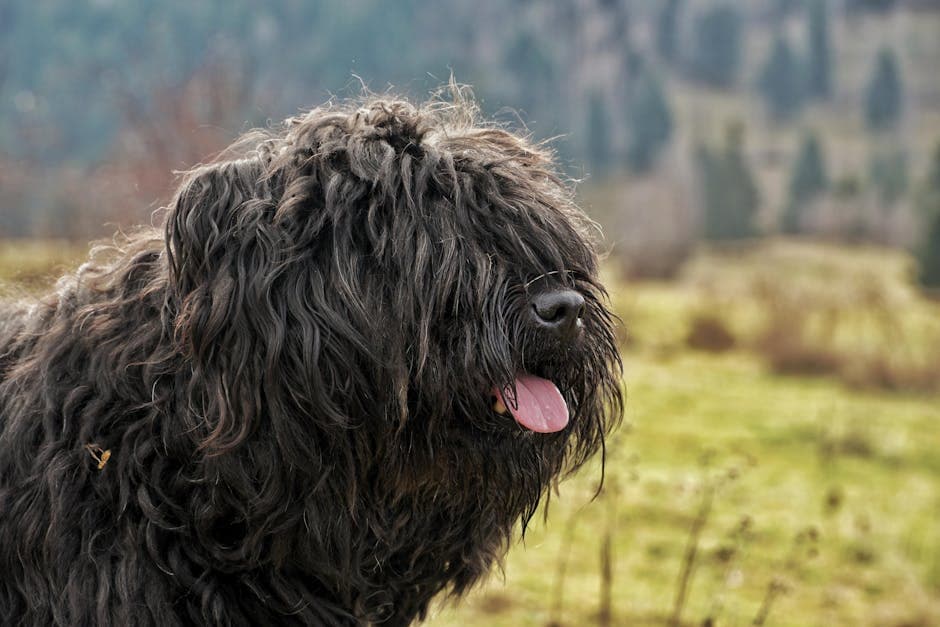
Their intelligence and protective nature made them invaluable in military and police roles, particularly in Germany, and they continue to serve in protection and security work globally today. Physically imposing, Giant Schnauzers stand 51–61 centimetres at the shoulder and weigh 25–34 kilograms, with a rectangular profile and characteristically strong, blocky head. Their dense, wiry coat comes in solid black or pepper and salt, adorned with the breed's distinctive beard, moustache, and eyebrows. The coat requires regular hand-stripping or trimming to maintain its texture. In temperament, Giant Schnauzers are bold, intelligent, and deeply loyal to their families. They are highly energetic dogs requiring over two hours of daily exercise and mental stimulation. Naturally protective, they make formidable guard dogs, though they should never be fearful or unnecessarily suspicious. Their dominant nature means early socialisation and firm, consistent training are essential. They suit experienced owners and active households better than novices, and do best with older children. With proper guidance, the Giant Schnauzer becomes a devoted and capable companion.
Giant Schnauzer at a Glance
- Group
- Working
- Size
- Large
- Weight
- 25–34 kg
- Height
- 51–61 cm
- Lifespan
- 12–14 years
- Coat
- Medium
- Sheds
- No
- Exercise
- More than 2 hours per day
- Typical price
- £800–£1500
Giant Schnauzer Temperament
The Giant Schnauzer is a bold, intelligent and highly loyal breed that forms deep attachments to its family. It is energetic and needs substantial daily exercise, as well as regular mental stimulation to prevent boredom. Naturally protective, the Giant Schnauzer makes an imposing guard dog, though it should never be fearful or unprovoked in its wariness of strangers. It can be dominant and strong-willed, making early socialisation and firm, consistent training essential. It tends to do better in households with older children, as its size and exuberance can be too much for very young ones. With the right guidance and boundaries, this is a devoted, confident and capable companion.
Giant Schnauzer Lifestyle
The Giant Schnauzer is best matched to a larger house with room to roam and needs a good-sized, secure garden. They are equally happy in town or country.
Dog Food for Giant Schnauzer
Top-rated foods for Large breeds, ranked by FurScore. How we score →
Recommended Food for Giant Schnauzer
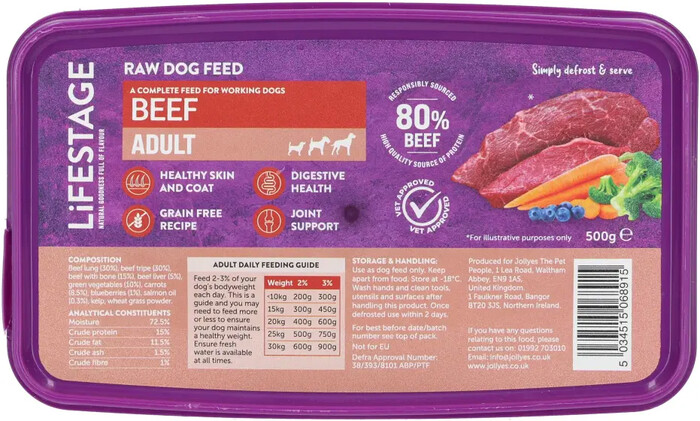

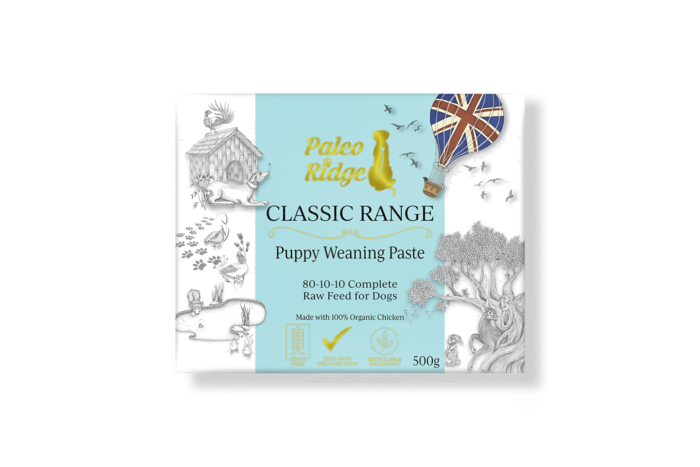


Giant Schnauzer Food Costs
Estimated based on a typical Giant Schnauzer weighing around 30 kg, using the food prices shown above.
Per day
£5.22 - £6.68
Per month
£157 - £200
Per year
£1906 - £2437
Giant Schnauzer Characteristics
The Giant Schnauzer needs plenty of daily exercise to stay happy and is eager to please and takes to training naturally. They thrive in a busy family environment, but manage alone time well enough, though they certainly prefer company. The coat needs brushing a couple of times a week to stay in good condition and isn't particularly heavy or light on shedding. They are sharp and quick-witted, which is a joy, but means they need keeping mentally occupied.
Giant Schnauzer Pros & Cons
Pros
- Loyal and affectionate with their family, with natural protective instincts
- Highly intelligent and trainable, doing well in canine sports and working roles
- Low-shedding coat that suits households where hair is a concern
- Adaptable to homes with older children and active lifestyles
Cons
- Needs professional grooming every eight to ten weeks to keep the coat in shape
- Requires a high level of daily exercise and mental stimulation
- Can show a stubborn side that needs consistent, patient training to manage
- Not the best fit for first-time dog owners