Greyhound
The Greyhound is one of the oldest purebred dog breeds, with depictions of slender coursing hounds appearing in ancient Egyptian tombs dating back thousands of years.
Prized by royalty and nobility throughout history for its speed and elegance, the breed was developed to hunt by sight rather than scent.
25-34kg
Weight
Large
Size
12-14yrs
Lifespan
About the Greyhound
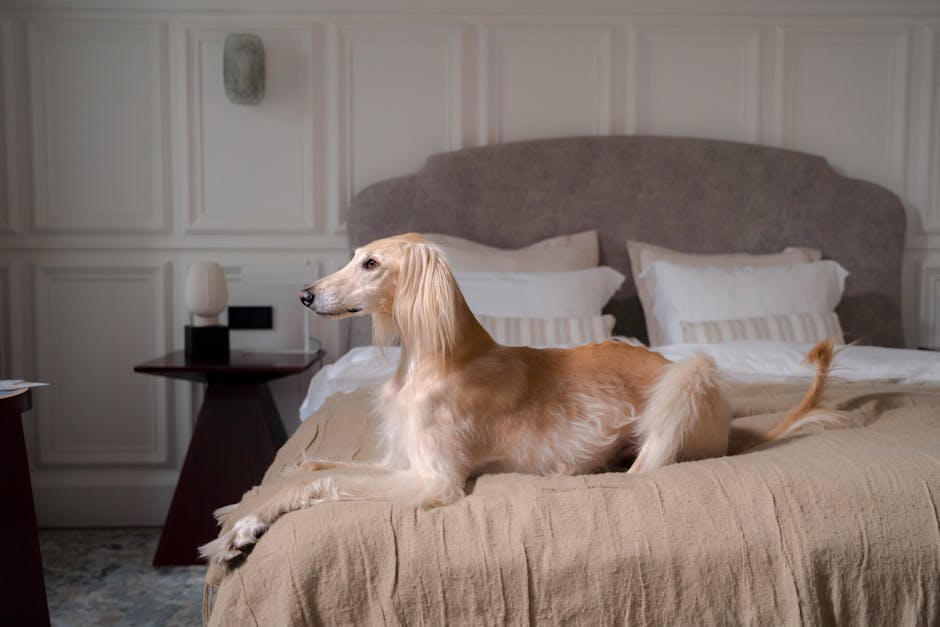
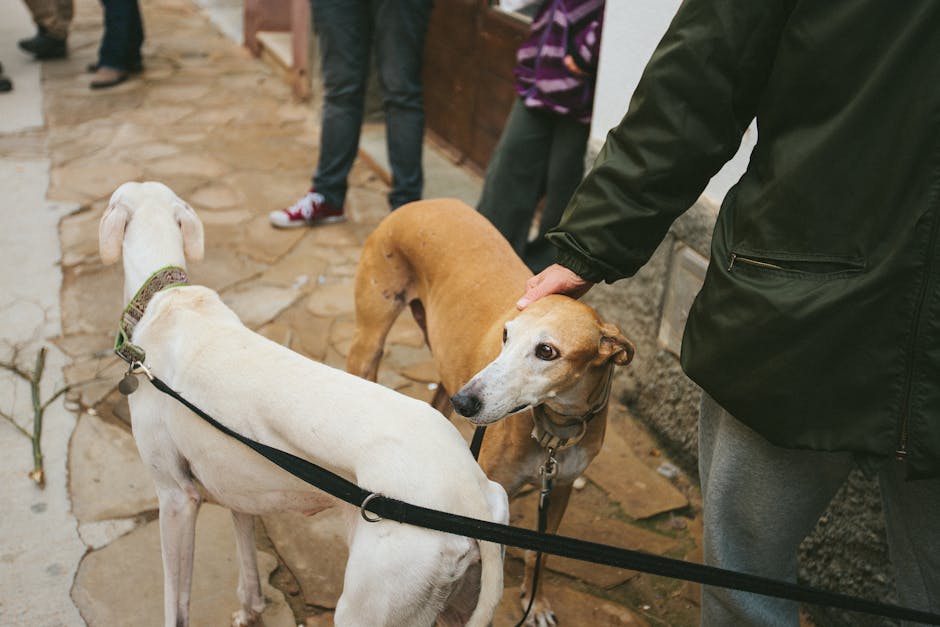
Today, Greyhounds are perhaps best known as racing dogs, with many entering pet life after retiring from the track, making them one of the most commonly adopted rescue breeds in the United Kingdom. Standing 68 to 76 centimetres at the shoulder and weighing 25 to 34 kilograms, the Greyhound is a lean, aerodynamically designed dog with a deep chest, narrow head, and short, smooth coat available in virtually any colour. Contrary to popular belief, these athletes are remarkably calm and gentle at home, requiring only modest daily exercise and contentedly spending long periods resting. Greyhounds are deeply affectionate and loyal companions, typically quiet and relaxed indoors, and generally good with respectful children and other dogs. Their strong prey drive means care is needed around small animals, and they should not be trusted off lead in unenclosed spaces. The breed's gentle, affectionate nature makes it an excellent family pet and loyal house companion.
Greyhound at a Glance
- Group
- Hound
- Size
- Large
- Weight
- 25–34 kg
- Height
- 68–76 cm
- Lifespan
- 12–14 years
- Coat
- Short
- Sheds
- Yes
- Exercise
- Up to 1 hour per day
- Typical price
- £100–£300
Greyhound Temperament
Contrary to popular perception, the Greyhound is a calm, docile and deeply affectionate breed that makes a wonderfully gentle house companion. Far from being highly strung, it is typically quiet and relaxed at home, content to spend much of the day resting. Greyhounds are loyal and loving, often shadowing their owners throughout the day, and they thrive on human contact and companionship. They are generally good with respectful children and other dogs, though their strong prey drive means care is needed around small animals. Despite needing a daily free run in a secure area, their overall exercise requirements are quite modest. The retired racing Greyhound in particular adapts remarkably well to life as a family pet.
Greyhound Lifestyle
The Greyhound is a breed that needs a bigger home to thrive and is happiest with plenty of outdoor space at home. Whether in the city or the countryside, they tend to settle well.
Dog Food for Greyhound
Top-rated foods for Large breeds, ranked by FurScore. How we score →
Recommended Food for Greyhound
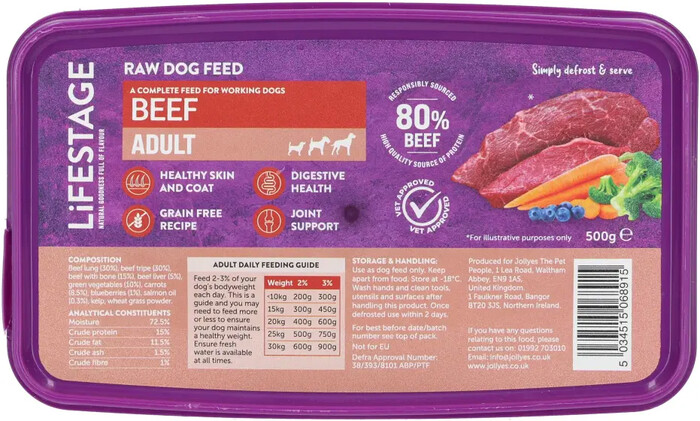

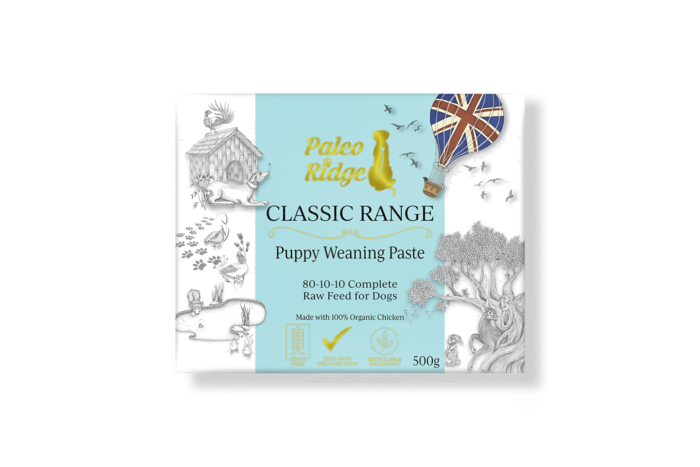
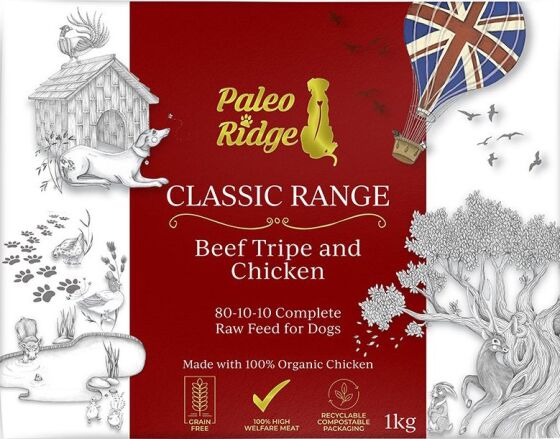
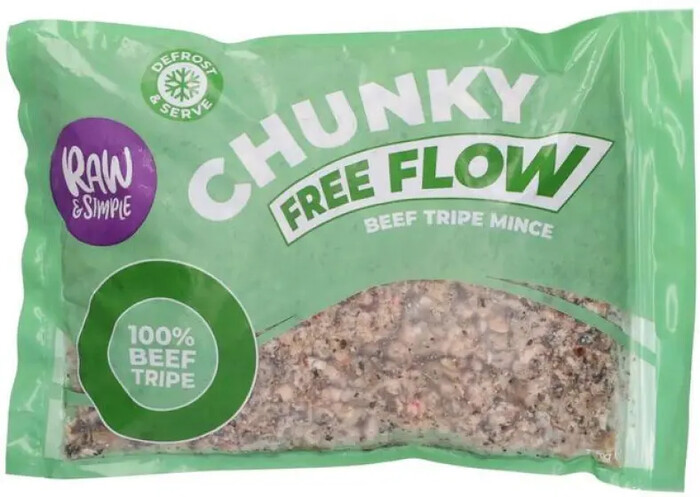
Greyhound Food Costs
Estimated based on a typical Greyhound weighing around 30 kg, using the food prices shown above.
Per day
£5.22 - £6.68
Per month
£157 - £200
Per year
£1906 - £2437
Greyhound Characteristics
The Greyhound needs at least one good run or long walk every day and trains well and tends to enjoy learning new skills. They love children and tend to get on brilliantly with them, but cope reasonably well on their own as long as they're well exercised first. The coat is manageable with a regular brushing routine and is neither a heavy nor light shedder. They are a highly intelligent breed that needs mental stimulation as well as physical exercise.
Greyhound Pros & Cons
Pros
- Highly affectionate and loyal with their family, forming strong bonds
- Short, sleek coat that needs very little grooming
- Gentle and patient with children of all ages
- Calm and easy-going indoors, despite their impressive speed outdoors
Cons
- Strong prey drive means off-lead exercise needs careful management
- Thin skin means they feel the cold and need a warm coat and soft bedding
- Prone to separation anxiety if left alone for extended periods
- Long legs and lightweight build make them prone to injury at high speed