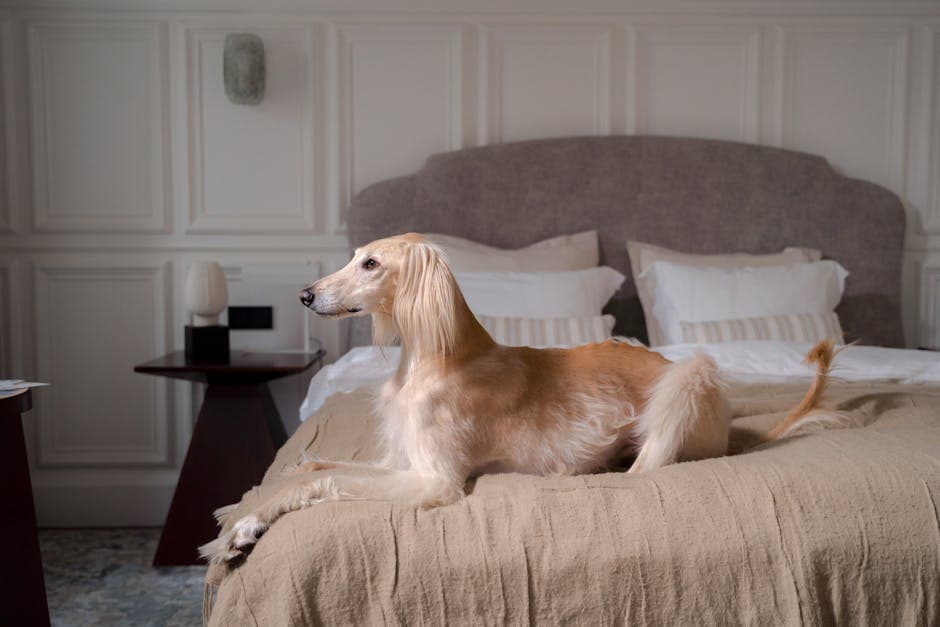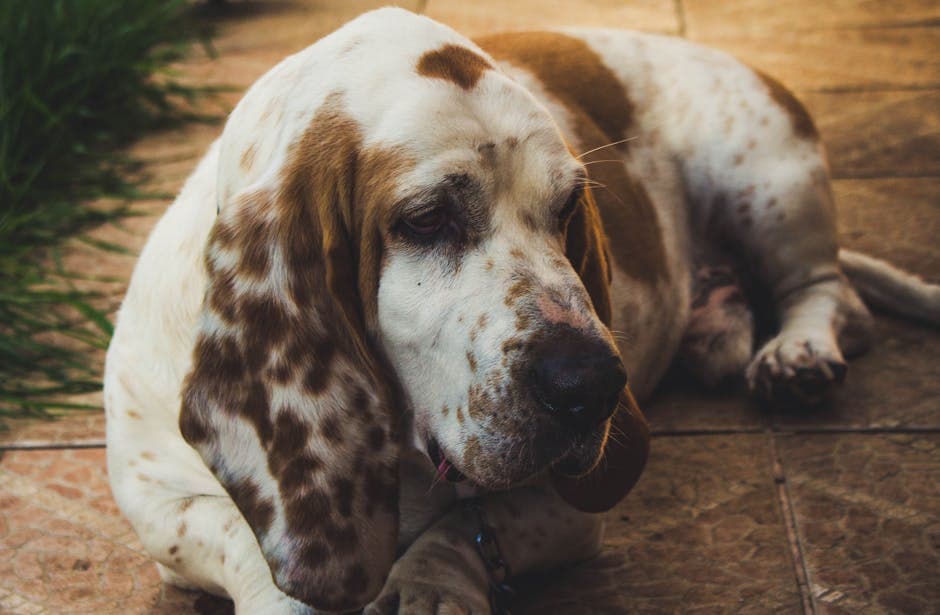
Irish Wolfhound
The Irish Wolfhound stands as the tallest of all dog breeds and represents one of Ireland's most ancient and revered native dogs.
With a history stretching back thousands of years, these magnificent hounds were originally used by Celtic chieftains to hunt wolves, elk and wild boar across Ireland's forests and bogs.
40-69kg
Weight
Large
Size
6-8yrs
Lifespan

About the Irish Wolfhound
Their legendary status even extended to ancient Irish mythology and law, with the breed frequently given as prestigious diplomatic gifts to foreign rulers. Today's Irish Wolfhound retains the imposing stature of its ancestors, typically standing 71–90 centimetres at the shoulder and weighing 40–69 kilograms. Despite this considerable size, the breed is renowned as the gentle giant of the dog world. With a rough, wiry coat available in grey, brindle, red, black, white or fawn, Irish Wolfhounds combine extraordinary physical presence with a calm, affectionate and deeply loyal temperament. In the home, these dogs are famously quiet and dignified, patient with children and sociable with other dogs. They thrive on close human companionship and form strong bonds with their families. However, prospective owners should understand that Irish Wolfhounds require more than two hours of daily exercise and plenty of space to stretch their long legs. Additionally, the breed has a sadly short lifespan of six to eight years, making them a commitment for those prepared for their unique demands.
Irish Wolfhound at a Glance
⚠ Vulnerable Native Breed
The Irish Wolfhound is listed as a Vulnerable Native Breed by the Royal Kennel Club, meaning fewer than 300 puppies of this breed are registered each year in the UK. These are British and Irish breeds at risk of disappearing simply because not enough people know they exist. Choosing one of these breeds helps keep an important part of our heritage alive.
- Group
- Hound
- Size
- Large
- Weight
- 40–69 kg
- Height
- 71–90 cm
- Lifespan
- 6–8 years
- Coat
- Medium
- Sheds
- Yes
- Exercise
- More than 2 hours per day
- Typical price
- £2500–£3500
Irish Wolfhound Temperament
The Irish Wolfhound is rightly known as the gentle giant of the dog world, combining extraordinary size with a calm, affectionate and deeply loyal temperament. Despite its impressive stature, this is a breed defined by its gentleness and patience, and it thrives on close human companionship. It is genuinely devoted to its family and generally excellent with children, forming strong bonds that make it a wonderful household companion. The Irish Wolfhound is sociable and good-natured with other dogs, and is rarely aggressive by nature. Its quiet dignity and even disposition make it easy to live with, though it does need regular exercise and plenty of space. A truly magnificent and warmly affectionate breed.
Irish Wolfhound Lifestyle
The Irish Wolfhound is best suited to a larger home and really benefits from a large, secure garden. They tend to do best out in the countryside.
Dog Food for Irish Wolfhound
Top-rated foods for Large breeds, ranked by FurScore. How we score →
Recommended Food for Irish Wolfhound
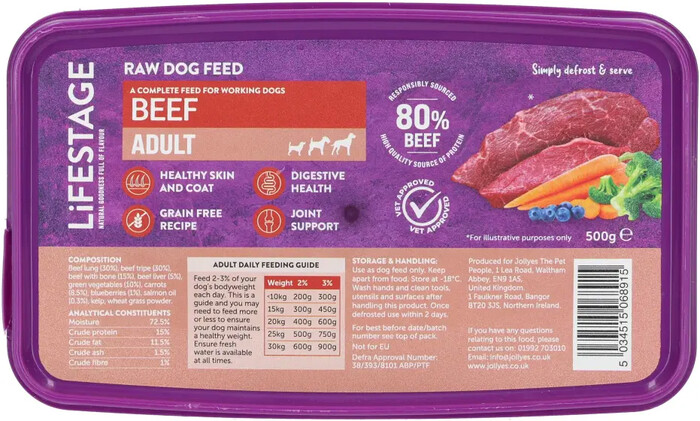


Irish Wolfhound Food Costs
Estimated based on a typical Irish Wolfhound weighing around 55 kg, using the food prices shown above.
Per day
£8.28 - £10.58
Per month
£248 - £317
Per year
£3021 - £3862
Irish Wolfhound Characteristics
The Irish Wolfhound needs at least one good run or long walk every day and is highly trainable and learns new things fast. They are excellent with children of all ages, but can manage moderate periods alone. The coat requires moderate grooming effort, nothing excessive and is neither a heavy nor light shedder. This is a very clever breed that benefits from puzzle toys and training to keep their mind busy.
Irish Wolfhound Pros & Cons
Pros
- Calm and gentle despite their impressive size, a true gentle giant
- Excellent with children when supervised, naturally tolerant and patient
- Forms strong bonds with family and is typically friendly with other dogs
- Rarely given to excessive barking, making for a peaceful and easy-going companion
Cons
- Needs plenty of space to accommodate their size and daily exercise requirements
- Prone to several breed-specific health conditions that can lead to significant vet bills
- Food, bedding, and care costs are all notably higher than average due to their size
- A strong prey drive means they are not well suited to homes with small animals