Japanese Akita Inu
The Japanese Akita Inu is an ancient large breed originating from the Akita prefecture of northern Japan, where it was developed over centuries as a hunting and working dog.
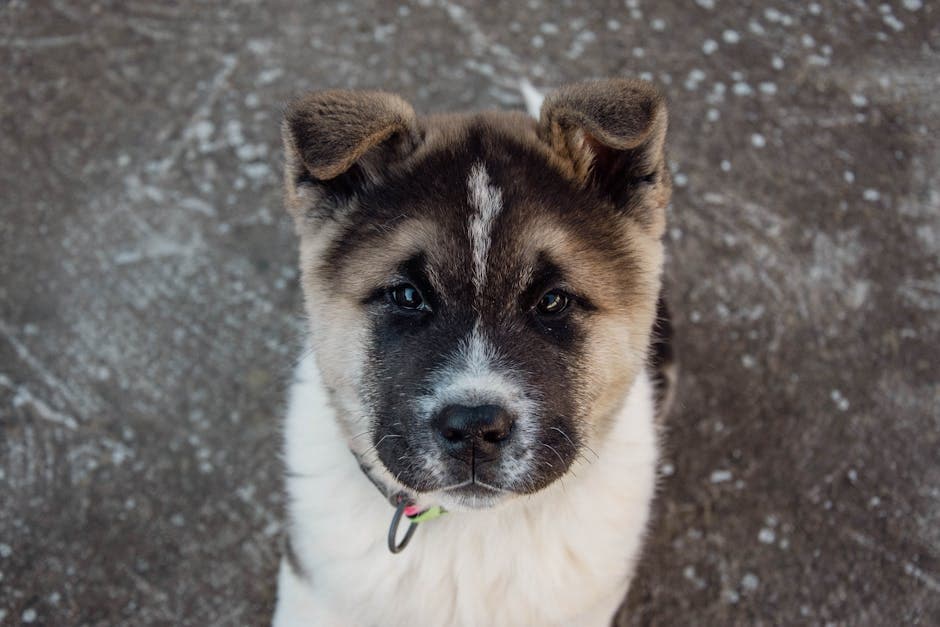
Designated a national monument in 1931, this dignified breed is smaller and more refined than its American counterpart, with distinctive spitz features including erect triangular ears, a densely thick double coat, and a characteristic tightly curled tail.
34-54kg
Weight
Large
Size
11-15yrs
Lifespan
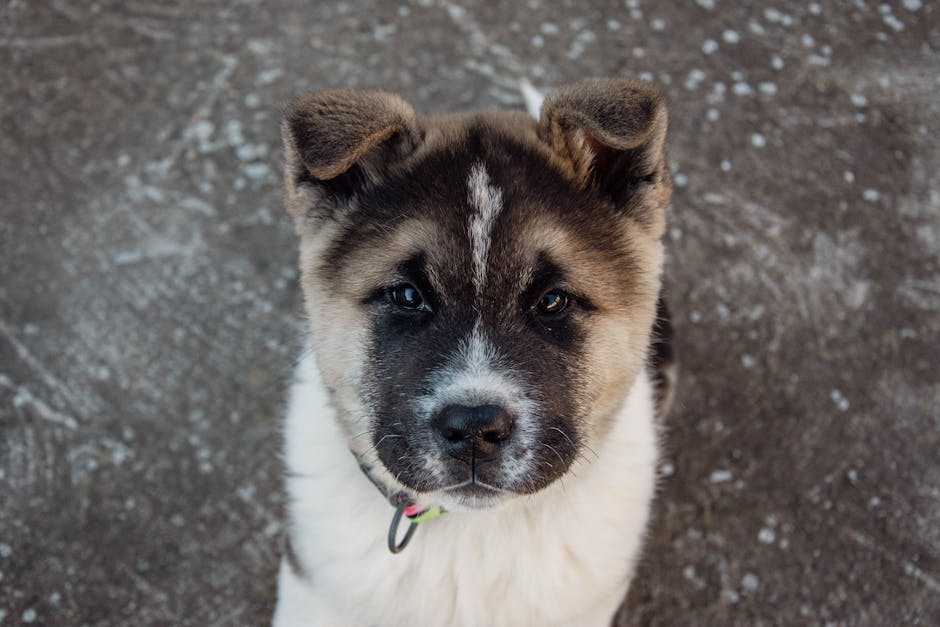
About the Japanese Akita Inu
Standing 58–68 centimetres tall and weighing 34–54 kilograms, the Akita Inu typically displays red, brindle, or white colouring with distinctive urajiro markings on the face and underparts. Temperamentally, the Akita Inu is profoundly loyal and devoted to its family, displaying a calm, composed dignity that the Japanese describe as kan-i. However, this is a naturally protective, independent breed with a tendency towards dominance, particularly with other dogs. Early socialisation and firm, consistent training are essential, making it better suited to experienced dog owners. The breed requires considerable daily exercise, needing more than two hours of activity to remain content and balanced. With a lifespan of 11–15 years, a well-socialised Akita Inu makes a deeply rewarding and trustworthy companion for those who respect its independent nature and can provide appropriate guidance and care.
Japanese Akita Inu at a Glance
- Group
- Utility
- Size
- Large
- Weight
- 34–54 kg
- Height
- 58–68 cm
- Lifespan
- 11–15 years
- Coat
- Short
- Sheds
- Yes
- Exercise
- More than 2 hours per day
- Typical price
- £600–£1300
Japanese Akita Inu Temperament
The Japanese Akita Inu is a dignified, courageous and deeply loyal breed with a calm, steady temperament that does not easily unsettle under pressure. It carries itself with great pride and presence, even from puppyhood, and is intensely devoted to its family. The Akita is naturally protective and makes an excellent guardian of the home, though it is not aggressive without cause. It can be patient and gentle with children and is an attentive, no-nonsense companion. The breed has a tendency towards dominance and independence, making early socialisation and firm, consistent training essential. It is not a breed that suits everyone, but in experienced hands the Japanese Akita Inu is a deeply rewarding and trustworthy companion.
Japanese Akita Inu Lifestyle
The Japanese Akita Inu suits a larger property where they have room to move and does best with a large outdoor space to burn off energy. They suit both urban and rural settings.
Dog Food for Japanese Akita Inu
Top-rated foods for Large breeds, ranked by FurScore. How we score →
Recommended Food for Japanese Akita Inu
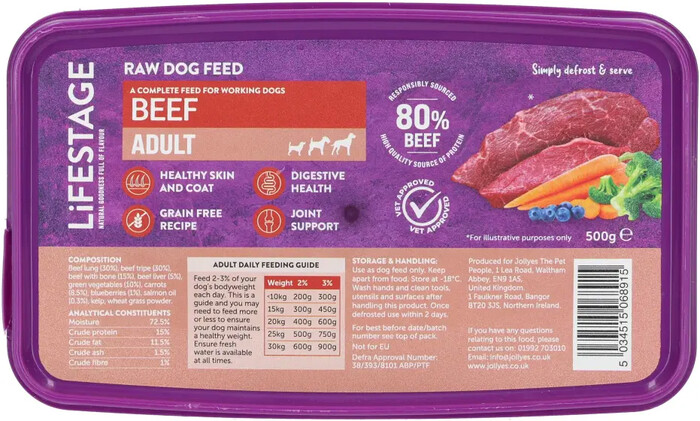

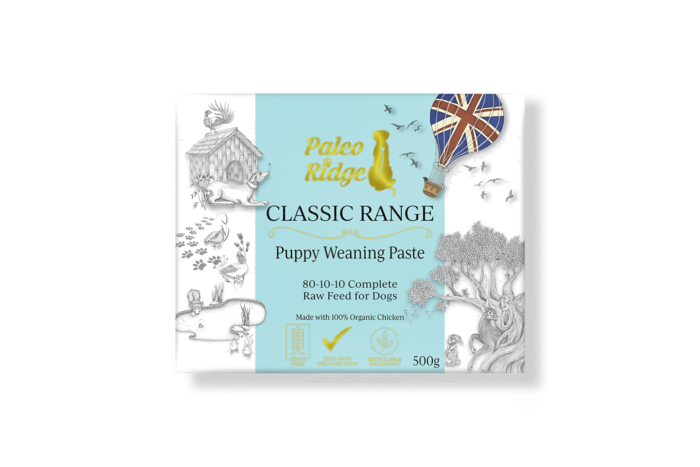



Japanese Akita Inu Food Costs
Estimated based on a typical Japanese Akita Inu weighing around 44 kg, using the food prices shown above.
Per day
£7.05 - £9.01
Per month
£211 - £270
Per year
£2573 - £3290
Japanese Akita Inu Characteristics
The Japanese Akita Inu needs at least one good run or long walk every day and is highly trainable and learns new things fast. They are excellent with children of all ages, but can manage moderate periods alone. The coat requires moderate grooming effort, nothing excessive and is neither a heavy nor light shedder. This is a very clever breed that benefits from puzzle toys and training to keep their mind busy.
Japanese Akita Inu Pros & Cons
Pros
- Deeply loyal and affectionate with their close family, forming strong and lasting bonds
- Exceptionally clean, with cat-like grooming habits that help keep odours and mess to a minimum
- Natural watchdogs with a composed, dignified presence that discourages unwanted visitors
- Well suited to cooler climates, thanks to their thick and insulating double coat
Cons
- Needs early, consistent training from an experienced owner to manage their strong will
- A high prey drive makes secure fencing essential to prevent escapes
- Their size and temperament make them less suitable for homes with very young children
- Sheds heavily during seasonal coat changes, requiring extra grooming during these periods