
Japanese Spitz
The Japanese Spitz is a small companion breed developed in Japan during the early twentieth century through selective breeding of various white spitz-type dogs imported from abroad.
Created specifically as a family dog, the breed combines the distinctive appearance of the spitz family with an exceptionally affectionate and adaptable temperament.
5-7kg
Weight
Small
Size
12-14yrs
Lifespan

About the Japanese Spitz
Standing 30–37 centimetres at the shoulder and weighing just 5–7 kilograms, the Japanese Spitz is compact and well-proportioned, characterised by its striking pure white double coat, pointed muzzle, small upright ears, and plumed tail. Despite its profuse coat, the breed is relatively straightforward to maintain, as the texture naturally repels dirt and resists matting, requiring brushing just a couple of times weekly. Temperamentally, the Japanese Spitz is lively, intelligent, and deeply devoted to its family, typically excellent with children and other pets. The breed is eager to please and responds readily to positive, consistent training. Whilst reserved with strangers initially, it is sufficiently alert to serve as an effective watchdog without excessive vocality. Clean, adaptable, and requiring up to an hour's daily exercise, the Japanese Spitz makes a charming and loyal companion suited to a wide range of households seeking a small but spirited family friend.
Japanese Spitz at a Glance
- Group
- Utility
- Size
- Small
- Weight
- 5–7 kg
- Height
- 30–37 cm
- Lifespan
- 12–14 years
- Coat
- Medium
- Sheds
- Yes
- Exercise
- Up to 1 hour per day
- Typical price
- £800–£1500
Japanese Spitz Temperament
The Japanese Spitz is a lively, affectionate and highly intelligent breed that thrives on close human companionship. It is courageous and alert, making it an effective watchdog despite its small size, and it tends to be reserved around complete strangers until it has had the chance to properly assess them. Once trust is established, however, it is a warm and devoted friend. The Japanese Spitz is eager to please and quick to learn, responding well to positive, consistent training. It is an excellent family dog, loyal and gentle with those it loves. Clean and adaptable, it suits a range of living environments as long as it receives sufficient exercise, mental stimulation and quality time with its owners.
Japanese Spitz Lifestyle
The Japanese Spitz doesn't require a large home to be happy and appreciates a small to medium garden to explore. They are comfortable in either a town or rural environment.
Dog Food for Japanese Spitz
Top-rated foods for Small breeds, ranked by FurScore. How we score →
Recommended Food for Japanese Spitz


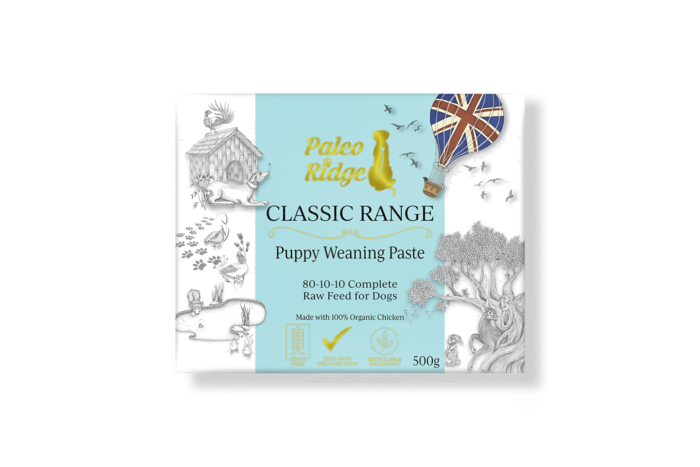



Japanese Spitz Food Costs
Estimated based on a typical Japanese Spitz weighing around 6 kg, using the food prices shown above.
Per day
£1.58 - £2.02
Per month
£47 - £61
Per year
£577 - £738
Japanese Spitz Characteristics
The Japanese Spitz requires a great deal of exercise and does best with an active owner and picks up new commands with very little repetition. They are incredibly tolerant of the rough-and-tumble nature of family life, but cope reasonably well on their own as long as they're well exercised first. The coat is reasonably straightforward to keep well-groomed and sheds at a fairly average rate. Intelligence is a real hallmark of this breed, and they do best with plenty of mental enrichment alongside exercise.
Japanese Spitz Pros & Cons
Pros
- Naturally gentle and patient, they are excellent with children of all ages
- Eager to please and highly trainable, performing well in obedience
- Well suited to apartment living as long as they receive regular exercise
- Sociable and friendly with other dogs, making outings and play dates a pleasure
Cons
- Regular grooming is needed to keep their thick, white coat looking its best
- Can become a frequent barker if not given enough mental stimulation
- Tends to be wary of strangers without thorough early socialisation
- A moderate prey drive means care is needed in certain outdoor situations