
Keeshond
The Keeshond is a distinctive medium-sized spitz breed originating from the Netherlands, where it served for centuries as a companion and watchdog on the barges and river boats of the Dutch waterways.
The breed became historically significant during the late eighteenth century as a symbol of the Dutch Patriot movement.
25-34kg
Weight
Medium
Size
12-14yrs
Lifespan

About the Keeshond
Standing 51–61 centimetres at the shoulder and weighing 25–34 kilograms, the Keeshond is instantly recognisable by its thick, stand-off double coat in a striking grey and black mixture, complemented by characteristic pale spectacle markings around the eyes, a pronounced mane and ruff, and a plumed tail curled over the back. The coat requires regular brushing and sheds considerably during seasonal changes. Temperamentally, the Keeshond excels as a family companion, displaying warmth, loyalty and affection towards people of all ages and typically getting along well with other animals. Alert and intelligent, it will bark to signal visitors but is not aggressive by nature. The breed is adaptable and responsive to training, though it can be occasionally stubborn and benefits from patient, consistent handling. Its sociable, people-oriented nature means it thrives as a central member of family life rather than as a peripheral pet. With exercise needs of up to one hour daily, the Keeshond makes an excellent choice for families seeking an affectionate, practical house dog.
Keeshond at a Glance
- Group
- Utility
- Size
- Medium
- Weight
- 25–34 kg
- Height
- 51–61 cm
- Lifespan
- 12–14 years
- Coat
- Medium
- Sheds
- Yes
- Exercise
- Up to 1 hour per day
- Typical price
- £800–£1500
Keeshond Temperament
The Keeshond is a warm, loving and loyal breed that excels as a family companion and watchdog. It is gentle and affectionate with people of all ages, including children, and tends to get along well with other animals. Alert and attentive, it will bark to signal visitors but is not aggressive by nature. The Keeshond is intelligent and adaptable, picking up new skills quickly and responding well to positive training methods. Occasionally stubborn, it benefits from patient and consistent handling. Its instinctive cleanliness and tidy habits make it a practical as well as companionable house dog. Sociable and people-oriented, the Keeshond is happiest when it is at the heart of family life and never excluded from household activities.
Keeshond Lifestyle
The Keeshond doesn't require a large home to be happy and does well with some outdoor space, even if it isn't large. Whether in the city or the countryside, they tend to settle well.
Dog Food for Keeshond
Top-rated foods for Medium breeds, ranked by FurScore. How we score →
Recommended Food for Keeshond
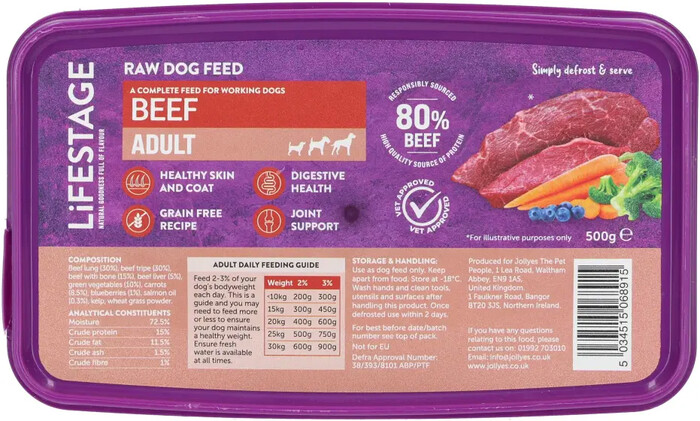





Keeshond Food Costs
Estimated based on a typical Keeshond weighing around 30 kg, using the food prices shown above.
Per day
£5.22 - £6.68
Per month
£157 - £200
Per year
£1906 - £2437
Keeshond Characteristics
The Keeshond demands serious exercise and won't be happy with a quick stroll around the block and responds brilliantly to positive reinforcement. They are incredibly tolerant of the rough-and-tumble nature of family life, but are okay left alone for a few hours at a time. The coat requires moderate grooming effort, nothing excessive and sheds moderately. Intelligence is a real hallmark of this breed, and they do best with plenty of mental enrichment alongside exercise.
Keeshond Pros & Cons
Pros
- Devoted and loving family dogs with a strong sense of loyalty
- Patient and gentle with children of all ages
- Intelligent and quick to learn, making training an enjoyable experience
- Highly adaptable, settling comfortably into flats and smaller homes with the right routine
Cons
- Their dense double coat requires regular, committed grooming sessions
- Moderate to heavy seasonal shedding means extra brushing during coat changes
- A vocal breed by nature, which can occasionally cause issues in close-proximity living
- A moderate prey drive means smaller animals may sometimes attract unwanted attention