Mastiff
The Mastiff is one of Britain's most ancient and impressive native breeds, with roots extending back to Roman times when the powerful dogs of the British Isles earned admiration from classical observers.
Originally employed as war dogs, estate guardians and later as companions, the breed faced near extinction following the Second World War before dedicated breeders successfully restored their numbers.
54-113kg
Weight
Large
Size
12-14yrs
Lifespan
About the Mastiff
Today, these gentle giants remain a striking presence, standing 70–91 centimetres tall and weighing between 54 and 113 kilograms, with characteristic broad heads, distinctive black masks and short, dense coats in apricot, fawn or brindle. Despite their imposing stature, Mastiffs are profoundly loyal, sensitive companions that form deep bonds with their families. They thrive as indoor dogs, preferring to remain close to their owners rather than being kept separately. Remarkably patient and good-natured with children, they rely on their sheer presence rather than aggression as a deterrent, alerting owners to strangers with their deep bark. The breed responds best to calm, consistent and kind handling rather than quick obedience. With moderate exercise needs of up to one hour daily and a lifespan of 12–14 years, the Mastiff makes a devoted family companion for those prepared to invest time in building a trusting relationship.
Mastiff at a Glance
⚠ Vulnerable Native Breed
The Mastiff is listed as a Vulnerable Native Breed by the Royal Kennel Club, meaning fewer than 300 puppies of this breed are registered each year in the UK. These are British and Irish breeds at risk of disappearing simply because not enough people know they exist. Choosing one of these breeds helps keep an important part of our heritage alive.
- Group
- Working
- Size
- Large
- Weight
- 54–113 kg
- Height
- 70–91 cm
- Lifespan
- 12–14 years
- Coat
- Short
- Sheds
- Yes
- Exercise
- Up to 1 hour per day
- Typical price
- £400–£800
Mastiff Temperament
The Mastiff is a gentle, loving and profoundly loyal breed that forms deep bonds with its family and thrives as an indoor companion. Despite its imposing size, it is sensitive and craves affection, doing best when it can be close to its owners rather than housed separately. It is generally patient and good-natured with children, though adult supervision is always recommended given its substantial bulk. The Mastiff will alert its owners to the presence of strangers, and its sheer size and deep bark are usually sufficient deterrent alone. It is not a quick or blindly obedient breed, responding best to calm, consistent and kind handling. Gentle, devoted and reassuringly steady, the Mastiff rewards owners who invest time in building a trusting relationship.
Mastiff Lifestyle
The Mastiff really benefits from having plenty of space indoors and is ideally suited to a home with a big garden. They are best suited to a rural setting.
Dog Food for Mastiff
Top-rated foods for Large breeds, ranked by FurScore. How we score →
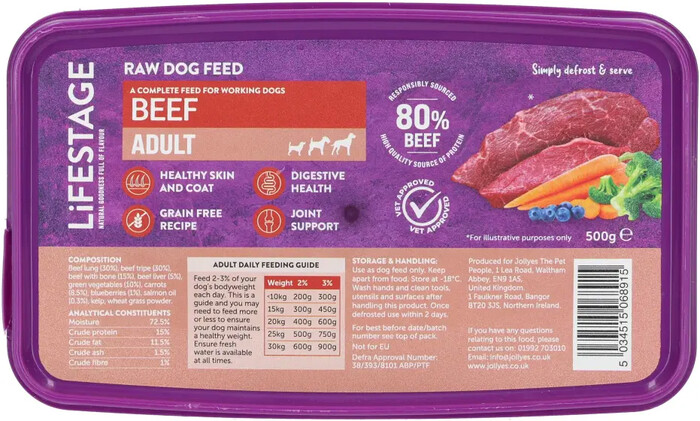
Recommended Food for Mastiff
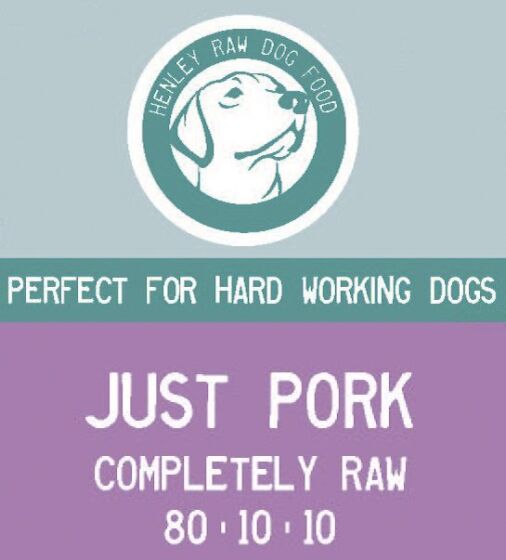
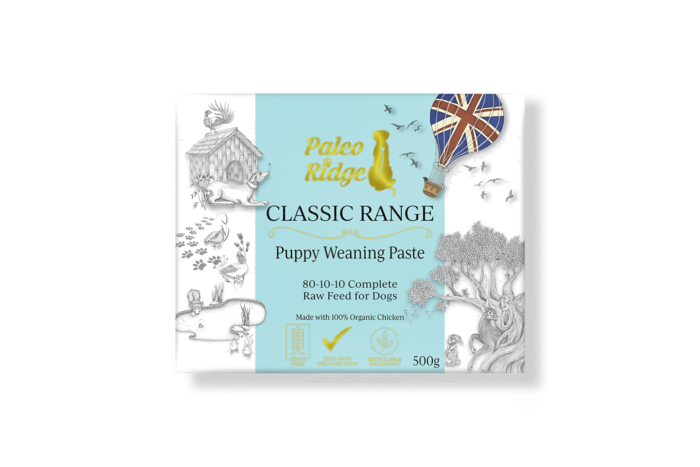
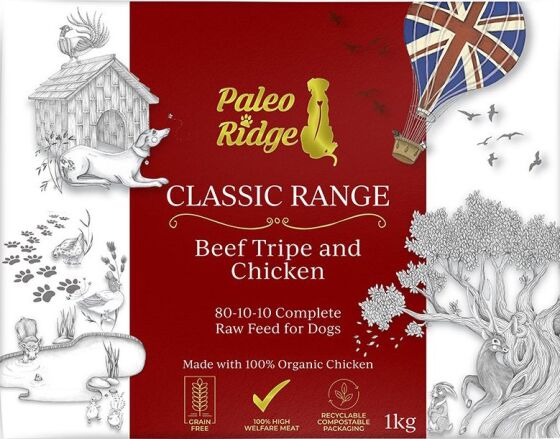
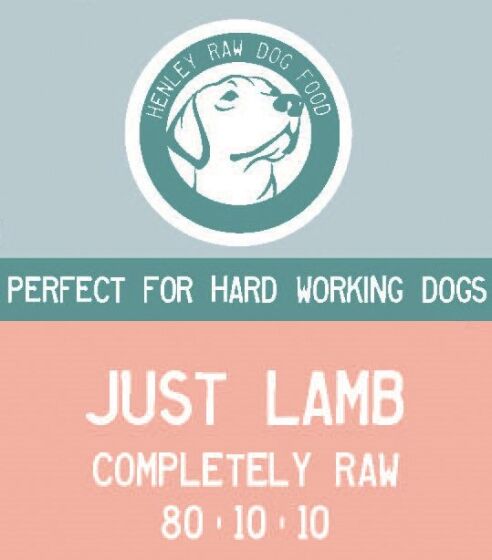

Mastiff Food Costs
Estimated based on a typical Mastiff weighing around 84 kg, using the food prices shown above.
Per day
£11.40 - £14.57
Per month
£342 - £437
Per year
£4160 - £5319
Mastiff Characteristics
The Mastiff is built for activity and needs owners who can keep up and is a quick learner and a pleasure to train. They are well known for being gentle and patient with young children and don't tend to fret when left by themselves. The coat doesn't need daily attention but benefits from regular grooming and produces a reasonable amount of loose hair. This is a very clever breed that benefits from puzzle toys and training to keep their mind busy.
Mastiff Pros & Cons
Pros
- Loyal and devoted family dogs, calm and relaxed in the home environment
- Their short coat needs only a quick weekly brush to stay in good condition
- Gentle and patient with older children who know how to interact safely
- Excellent natural watchdogs with strong protective instincts and little tendency towards aggression
Cons
- Their size means food costs are substantially higher than average
- Prone to drooling and slobbering, something owners need to be prepared for
- Sheds throughout the year, with heavier periods in spring and autumn
- A high prey drive means care and supervision around smaller animals is always necessary