Miniature Schnauzer
The Miniature Schnauzer is the smallest of the three Schnauzer breeds, originally developed in Germany during the late nineteenth century.
Breeders crossed the Standard Schnauzer with smaller breeds to create a compact, versatile ratter and farm dog suited to various working roles.
5-9kg
Weight
Small
Size
12-15yrs
Lifespan
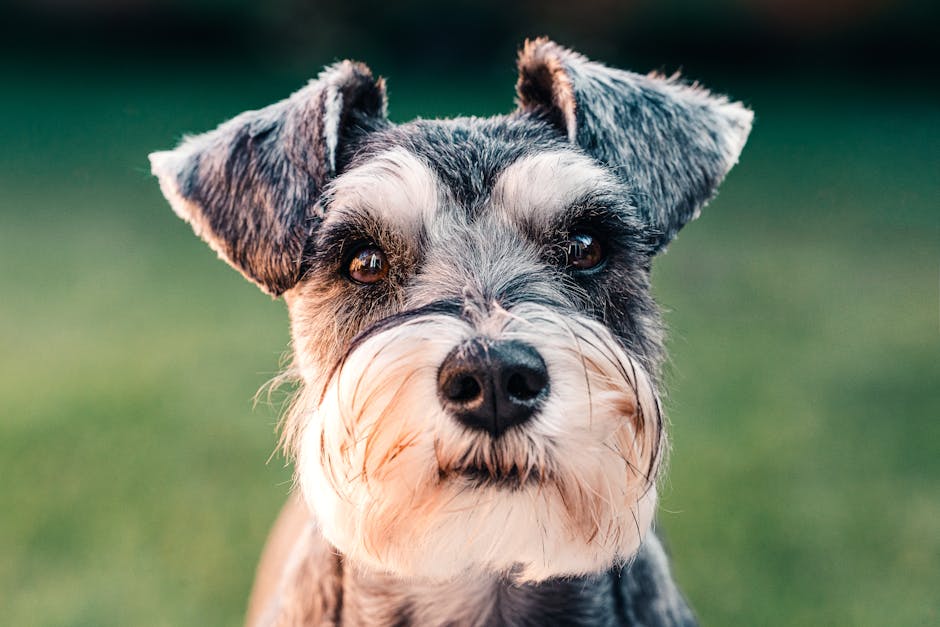
About the Miniature Schnauzer
Today, this charming little dog is classified as a Utility breed by the Kennel Club and remains one of the UK's most popular small breeds. Standing 30–36 centimetres tall and weighing just 5–9 kilograms, the Miniature Schnauzer is instantly recognisable by its distinctive appearance. The breed's characteristic double coat comprises a hard, wiry outer layer over a soft undercoat, typically in salt and pepper, black and silver, or solid black. Its signature eyebrows, moustache, and leg furnishings give it an appealingly expressive face. In terms of temperament, the Miniature Schnauzer is spirited, intelligent, and deeply affectionate. Alert and inquisitive, they make excellent watchdogs despite their size, though they can be vocal. These devoted companions are highly trainable and eager to please, responding well to consistent, reward-based training from an early age. They typically get on well with children and other dogs, though their terrier instincts may prompt them to chase small animals. With daily exercise and mental stimulation, they settle happily into family life and adapt well to various living environments.
Miniature Schnauzer at a Glance
- Group
- Utility
- Size
- Small
- Weight
- 5–9 kg
- Height
- 30–36 cm
- Lifespan
- 12–15 years
- Coat
- Medium
- Sheds
- No
- Exercise
- Up to 1 hour per day
- Typical price
- £1000–£1500
Miniature Schnauzer Temperament
The Miniature Schnauzer is a spirited, intelligent, and affectionate breed that makes an excellent family companion. Alert and inquisitive, they are natural watchdogs who will readily announce visitors with a sharp bark. They tend to be good with children and can get on well with other dogs, though their terrier instincts may lead to chasing small animals. Highly trainable and eager to please, they respond well to consistent, reward-based training from an early age. They need daily exercise and mental stimulation to remain settled. Devoted to their families, Miniature Schnauzers dislike being left alone for long periods and prefer to be at the heart of household activity.
Miniature Schnauzer Lifestyle
The Miniature Schnauzer is one of the breeds that copes well in a flat or apartment and appreciates a small to medium garden to explore. They suit both urban and rural settings.
Dog Food for Miniature Schnauzer
Top-rated foods for Small breeds, ranked by FurScore. How we score →
Recommended Food for Miniature Schnauzer
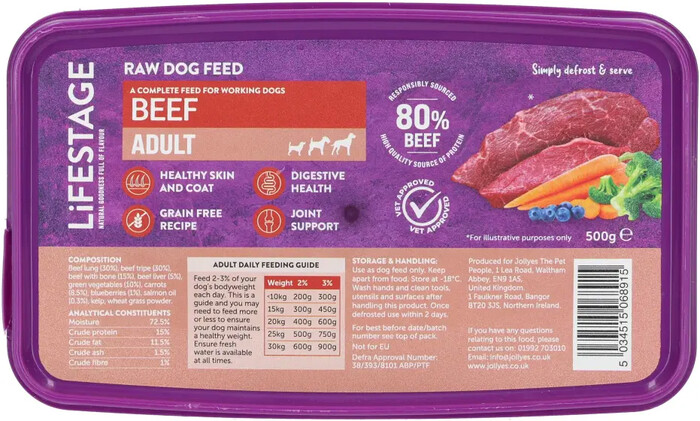

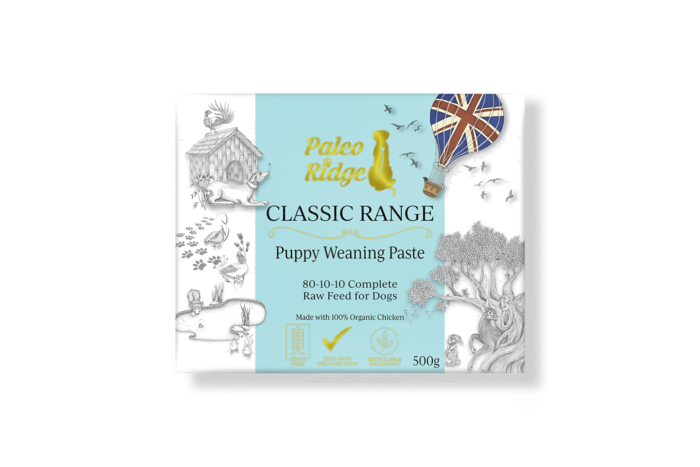
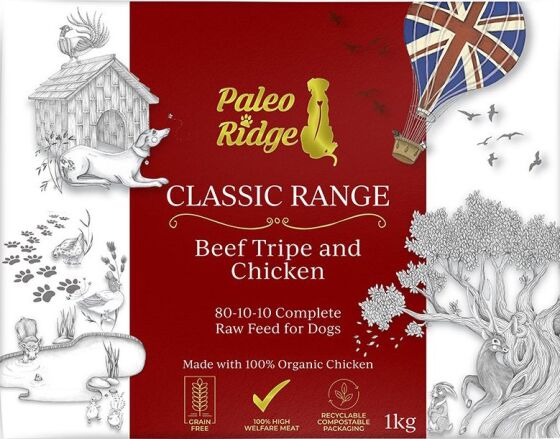
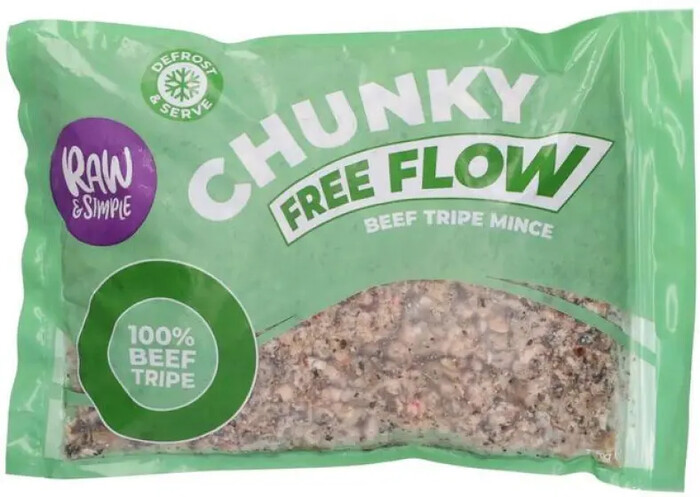
Miniature Schnauzer Food Costs
Estimated based on a typical Miniature Schnauzer weighing around 7 kg, using the food prices shown above.
Per day
£1.78 - £2.27
Per month
£53 - £68
Per year
£648 - £829
Miniature Schnauzer Characteristics
The Miniature Schnauzer needs at least one good run or long walk every day and trains well and tends to enjoy learning new skills. They love children and tend to get on brilliantly with them, but cope reasonably well on their own as long as they're well exercised first. The coat is manageable with a regular brushing routine and is neither a heavy nor light shedder. They are a highly intelligent breed that needs mental stimulation as well as physical exercise.
Miniature Schnauzer Pros & Cons
Pros
- Highly intelligent and eager to please, responding well to consistent training
- Low-shedding wiry coat that works for some allergy sufferers
- Alert and watchful with a loyal, affectionate nature at home
- Adapts well to flats and houses alike, given regular exercise and mental stimulation
Cons
- Prone to barking, which needs active and consistent management
- Requires regular professional grooming to keep their coat in good shape
- Genetically predisposed to certain health conditions that need ongoing care
- A stubborn side can emerge, which may be challenging for less experienced owners