Saluki
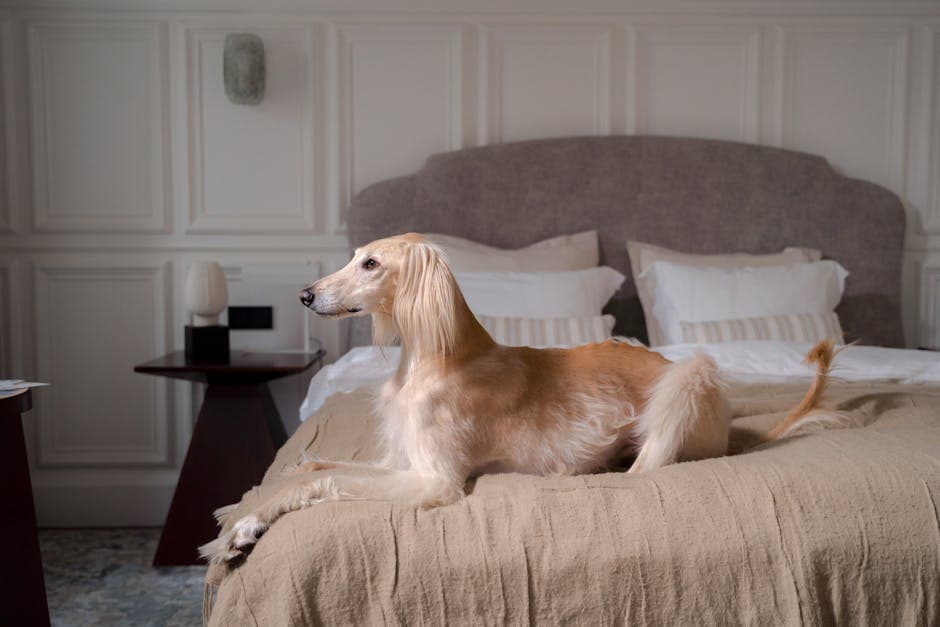
The Saluki is one of the most elegant and refined hound breeds, with roots stretching back centuries through the Middle East and North Africa.
Revered for their exceptional speed and endurance, these graceful dogs were originally bred as hunting companions in desert regions, a heritage that shaped their distinctive character and athletic build.
18-27kg
Weight
Large
Size
12-14yrs
Lifespan
About the Saluki
Today, the breed remains a favourite among those who appreciate sighthounds and their unique temperament. Physically striking, Salukis are characterised by their slender yet muscular frames, short glossy coats, and distinctive silky feathering adorning their ears and tails. They are large dogs, typically weighing between 18 and 27 kilograms and standing 56 to 71 centimetres tall. Temperamentally, they are gentle, calm, and deeply sensitive creatures with a loyal and affectionate nature towards their families. However, their independent streak means they respond poorly to harsh training methods and thrive best with patient, understanding owners. Salukis require considerable daily exercise, ideally more than two hours, along with access to secure outdoor space where they can safely indulge their natural instinct to run. With a lifespan of 12 to 14 years, they make devoted companions for families or individuals who can provide the time, space, and calm environment these remarkable dogs deserve.
Saluki at a Glance
- Group
- Hound
- Size
- Large
- Weight
- 18–27 kg
- Height
- 56–71 cm
- Lifespan
- 12–14 years
- Coat
- Short
- Sheds
- Yes
- Exercise
- More than 2 hours per day
- Typical price
- £200–£500
Saluki Temperament
The Saluki is a gentle, elegant, and affectionate breed with a calm and sensitive nature well suited to a loving home environment. Bred as a companion to share the family home, they are trustworthy, tolerant, and generally good with children, though their reserved character means they are not typically demonstrative in the way of other breeds. Alert and observant, they will sound a warning at approaching strangers but will not attack. Independent by nature, they require patient and understanding training, as harsh methods are counterproductive with this sensitive sighthound. Built for speed and endurance, they need regular free-running exercise in a secure area. A loyal and serene companion.
Saluki Lifestyle
The Saluki suits a larger property where they have room to move and does best with a large outdoor space to burn off energy. They suit a country lifestyle better than city living.
Dog Food for Saluki
Top-rated foods for Large breeds, ranked by FurScore. How we score →
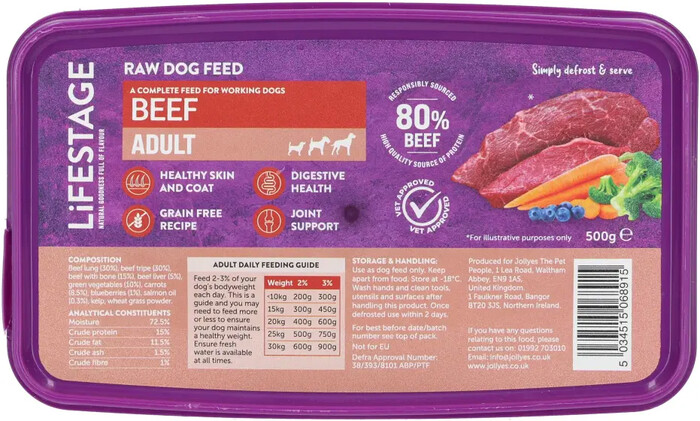
Recommended Food for Saluki





Saluki Food Costs
Estimated based on a typical Saluki weighing around 23 kg, using the food prices shown above.
Per day
£4.26 - £5.45
Per month
£128 - £164
Per year
£1556 - £1989
Saluki Characteristics
The Saluki requires a great deal of exercise and does best with an active owner and picks up new commands with very little repetition. They are incredibly tolerant of the rough-and-tumble nature of family life, but cope reasonably well on their own as long as they're well exercised first. The coat is reasonably straightforward to keep well-groomed and sheds at a fairly average rate. Intelligence is a real hallmark of this breed, and they do best with plenty of mental enrichment alongside exercise.
Saluki Pros & Cons
Pros
- Exceptionally loyal and devoted, often forming a particularly close bond with one person in the household
- Intelligent and gentle, responding well to patient and considered training methods
- Their elegant, athletic build makes them a wonderful companion for active owners
- A low-maintenance coat that sheds lightly and needs very little grooming
Cons
- Their sensitivity and independence make them a poor choice for first-time dog owners
- Need a secure, spacious environment and are not well suited to flat living
- A strong prey drive makes reliable off-lead recall very difficult to achieve
- Prone to separation anxiety and can struggle if left alone for long periods