Schipperke
The Schipperke is a small yet spirited Belgian utility breed with a fascinating maritime heritage.
Originally developed to guard canal barges and assist Flemish cobblers, this intelligent little dog earned the nickname "little captain" for its remarkable vigilance and loyalty.
3-9kg
Weight
Small
Size
12-14yrs
Lifespan
About the Schipperke
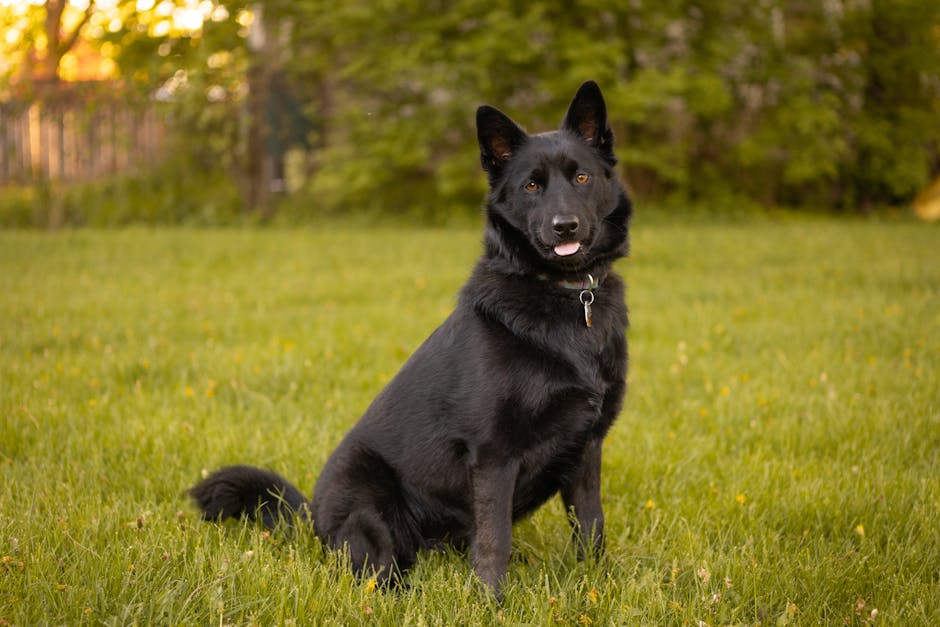
Despite standing just 25–33 cm tall and weighing 3–9 kg, the Schipperke possesses a confident, independent character that far exceeds its modest size. The breed is instantly recognisable by its distinctive foxy expression, alert eyes, and dense double coat that sheds regularly throughout the year. Temperamentally, Schipperkes are intensely lively and inquisitive, thriving on investigation and mental engagement. They are deeply loyal and devoted to their families, displaying genuine affection towards children they know well, though they tend to be naturally distrustful of strangers, making them excellent watchdogs. Their independent streak and intelligent nature mean consistent training from puppyhood is essential. With a lifespan of 12–14 years, these robust little companions require up to an hour's daily exercise and regular mental stimulation to remain content. Schipperkes adapt well to various living environments, from city flats to countryside homes, provided they have secure boundaries and attentive owners who appreciate their spirited, entertaining personality.
Schipperke at a Glance
- Group
- Utility
- Size
- Small
- Weight
- 3–9 kg
- Height
- 25–33 cm
- Lifespan
- 12–14 years
- Coat
- Medium
- Sheds
- Yes
- Exercise
- Up to 1 hour per day
- Typical price
- £800–£1500
Schipperke Temperament
The Schipperke is an intensely lively, alert, and curious small breed with a confident and independent character. Highly intelligent and faithful to its family, it is friendly and gentle with children it knows well but tends to be distrustful of strangers, making it a keen and reliable watchdog. They are active and inquisitive, always wanting to investigate their surroundings, and require regular daily exercise and mental stimulation to remain content. Schipperkes are loyal and devoted companions who thrive on human company. They can be stubborn and determined, so consistent training from an early age is important. A spirited, entertaining, and surprisingly robust little dog for an attentive owner.
Schipperke Lifestyle
The Schipperke is well suited to flat or apartment living and does well with a modest garden. They are versatile and do well in both city and countryside settings.
Dog Food for Schipperke
Top-rated foods for Small breeds, ranked by FurScore. How we score →
Recommended Food for Schipperke
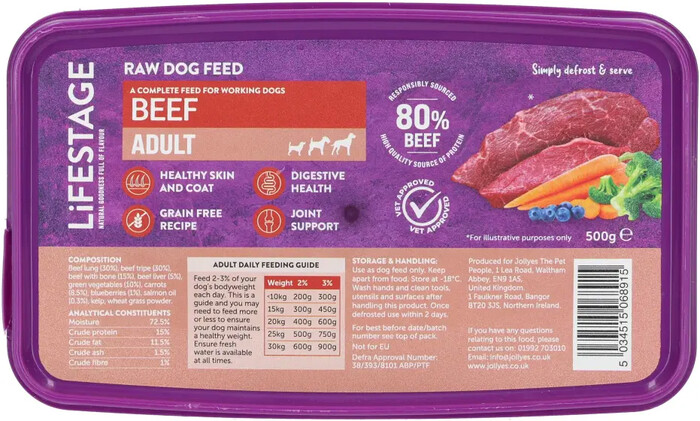

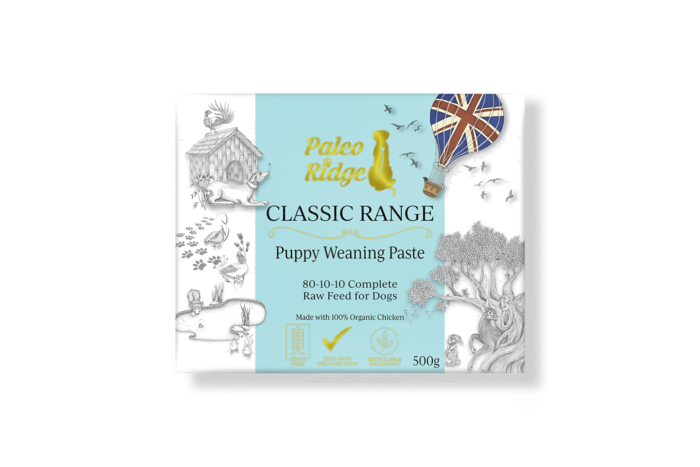


Schipperke Food Costs
Estimated based on a typical Schipperke weighing around 6 kg, using the food prices shown above.
Per day
£1.58 - £2.02
Per month
£47 - £61
Per year
£577 - £738
Schipperke Characteristics
The Schipperke is a high-energy breed that needs a real outlet every day and is a quick learner and a pleasure to train. They thrive in a busy family environment and aren't particularly needy and handle solitude reasonably well. The coat needs occasional grooming to stay tidy and is a moderate shedder. They are sharp and quick-witted, which is a joy, but means they need keeping mentally occupied.
Schipperke Pros & Cons
Pros
- Affectionate and loyal with a naturally protective instinct towards their family
- Highly intelligent and engaging, with a personality that makes training enjoyable
- Relatively easy to groom compared to other double-coated breeds of a similar size
- Adaptable to city or country living, as long as they get enough daily stimulation
Cons
- Prone to separation anxiety if left alone for long stretches without company
- Their high energy means they need both physical exercise and mental challenges every day
- A strong prey drive makes recall training important, especially in open spaces
- Can be vocal and prone to barking, which is worth managing early on