Siberian Husky
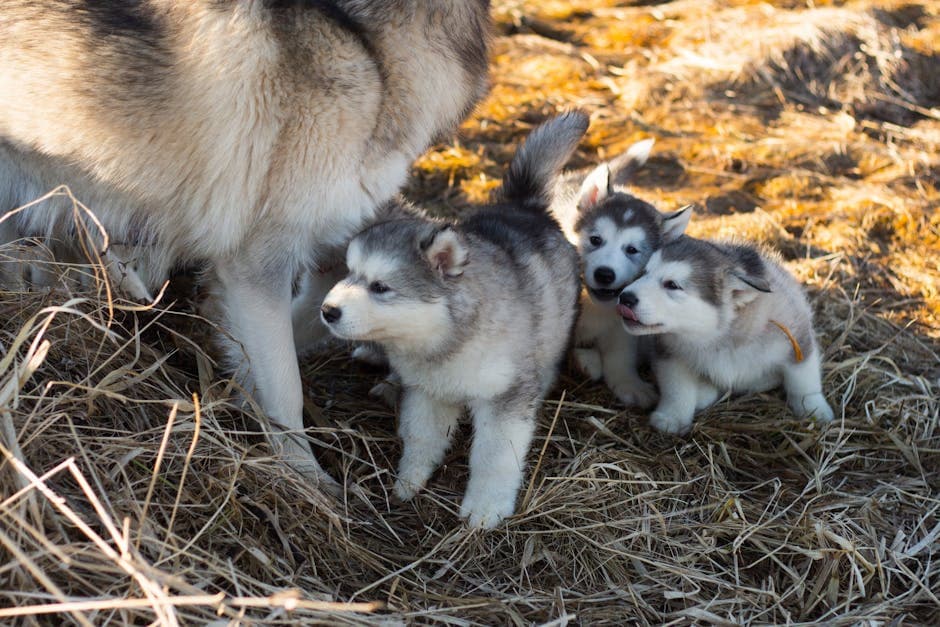
The Siberian Husky is a striking working dog originating from the Arctic regions of Siberia, where it was developed by the Chukchi people as a dependable sled dog.
Built for endurance and speed across frozen terrain, this medium-sized breed retains its athletic heritage and boundless energy to this day.
25-34kg
Weight
Medium
Size
12-14yrs
Lifespan
About the Siberian Husky
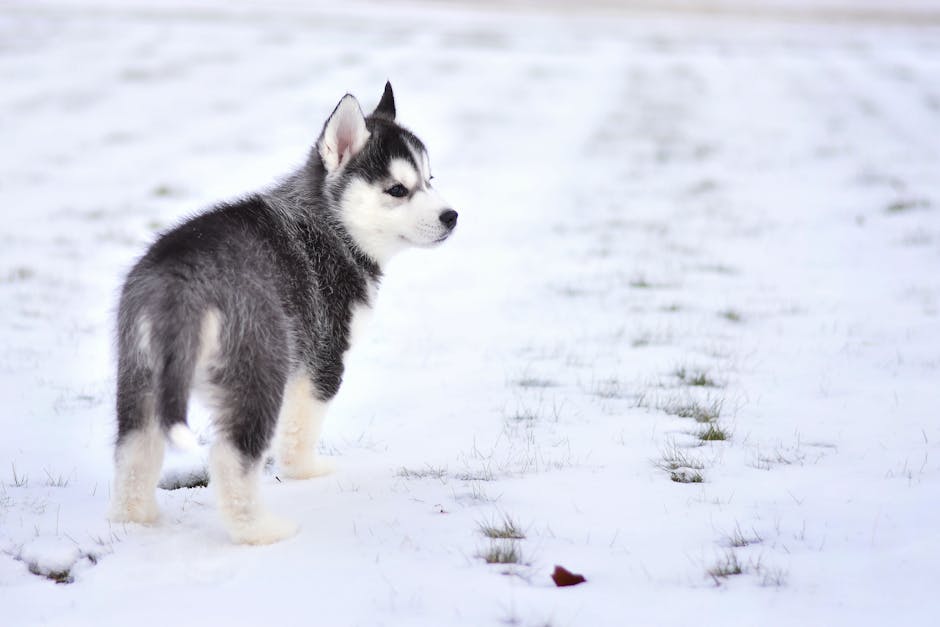
Standing 51–61 cm tall and weighing 25–34 kg, Huskies are instantly recognisable by their wolf-like appearance, distinctive thick double coat, and often piercing blue or bi-coloured eyes. Their coat colours range widely, from black and white to shades of red and grey, and sheds considerably throughout the year. Beneath their impressive exterior lies a genuinely friendly, outgoing temperament. Siberian Huskies are sociable pack animals who thrive in company and greet strangers with curiosity rather than suspicion, making them poor guard dogs but excellent family companions. They are generally wonderful with children and other dogs, though their independent streak and high intelligence demand consistent, patient training from an early age. With exercise requirements exceeding two hours daily, they suit active owners who understand their need for both physical and mental stimulation. Without adequate activity, these spirited dogs can become destructive. For the right owner, a Husky offers devoted, enthusiastic companionship that few breeds can match.
Siberian Husky at a Glance
- Group
- Working
- Size
- Medium
- Weight
- 25–34 kg
- Height
- 51–61 cm
- Lifespan
- 12–14 years
- Coat
- Short
- Sheds
- Yes
- Exercise
- More than 2 hours per day
- Origin
- Siberia
- Colours
- White, Black, Agouti, Piebald, Black & Tan, Splash, Sable, Copper, Black & White, Grey, Silver, Brown, Red
- Typical price
- £400–£800
Siberian Husky Temperament
The Siberian Husky is an outgoing, friendly, and energetic breed with a gentle disposition and an instinctive love of people. They are sociable and rarely aggressive, tending to greet strangers with curiosity rather than suspicion, which means they make poor guard dogs. Generally excellent with children and other dogs, they are pack-oriented by nature and thrive in the company of others. Highly intelligent and alert, they can also be wilful and independent, requiring consistent and patient training from an early age. Their enormous energy levels demand substantial daily exercise, and without sufficient activity they can become destructive. A devoted, enthusiastic, and endlessly engaging companion for an active owner.
Siberian Husky Lifestyle
The Siberian Husky is happiest in a spacious home and is happiest with plenty of outdoor space at home. They suit a country lifestyle better than city living.
Dog Food for Siberian Husky
Top-rated foods for Medium breeds, ranked by FurScore. How we score →
Nutrition & Diet
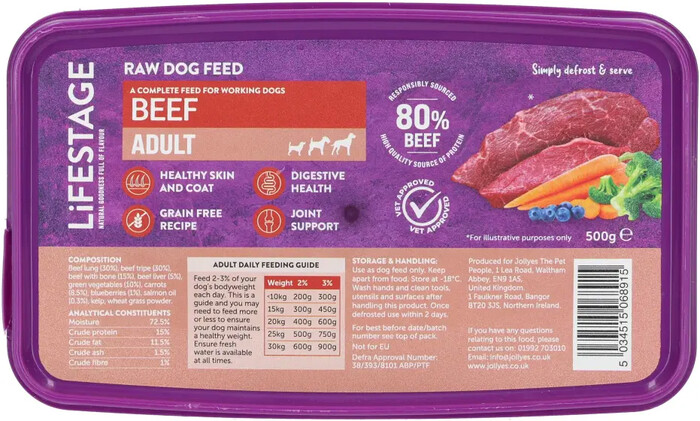
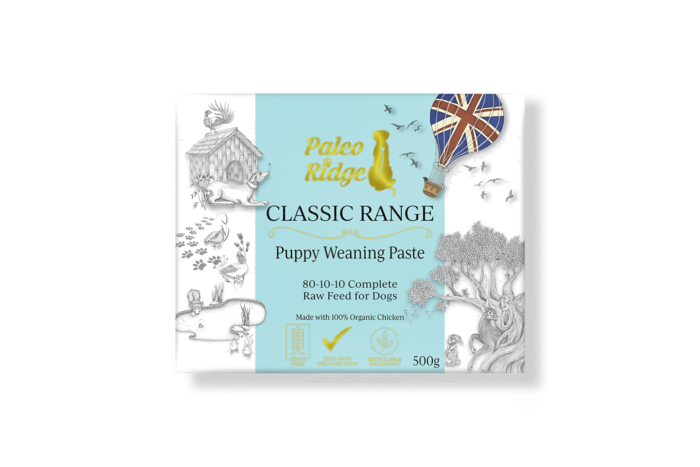
Most of the time Siberian Huskies are quite good at watching their own food intake to regulate how much calories they consume. However, this doesn’t mean that this dog breed will not overeat. Huskies have a tendency to put on weight rather quickly and it can be challenging for them to get back to their healthy weight. Overweight Huskies usually have a shorter life span, so keeping them on a well-balanced diet with a proper amount of exercise is needed. As a breed, Siberian Huskies are stubborn and individualistic and because of that, they may be very picky with their food. Husky may choose not to eat because of being bored with eating the same thing all the time. Feeding Huskies ad libitum may not be the best practice. With that in mind, you should never switch your dog’s food suddenly. It is advised to introduce the new food gradually to allow the digestive system to adapt to the new nutrient composition. We recommend the grain-free Husse line ( & Coat Adult) since those are the products with the highest palatability.
Recommended Food for Siberian Husky




Siberian Husky Food Costs
Estimated based on a typical Siberian Husky weighing around 30 kg, using the food prices shown above.
Per day
£5.22 - £6.68
Per month
£157 - £200
Per year
£1906 - £2437
Siberian Husky Characteristics
The Siberian Husky demands serious exercise and won't be happy with a quick stroll around the block and trains well and tends to enjoy learning new skills. They are very patient and gentle with kids, but can be left for short to moderate periods without issue. The coat benefits from a brush once or twice a week and sheds moderately. They are sharp and quick-witted, which is a joy, but means they need keeping mentally occupied.
Siberian Husky Pros & Cons
Pros
- Friendly and playful with family and children, keeping a youthful energy well into adulthood
- Highly social and thrives in the company of other dogs and people
- Adapts well to different environments when given plenty of exercise and mental stimulation
- Intelligent, forgiving by nature, and notably free from the strong doggy odour found in many breeds
Cons
- Their independent temperament and training challenges make them a poor fit for first-time owners
- A strong prey drive makes reliable off-lead recall very difficult around small animals
- Talented escape artists who need ultra-secure fencing and careful supervision outdoors
- Can be very vocal, with a tendency to howl that may not endear them to close neighbours