Tibetan Mastiff
The Tibetan Mastiff is a majestic working breed with a rich history as a guardian dog in the Himalayan mountains.
These large, imposing dogs were bred to protect livestock and property across harsh terrain, developing the calm confidence and independent nature that define them today.
25-34kg
Weight
Large
Size
11-13yrs
Lifespan
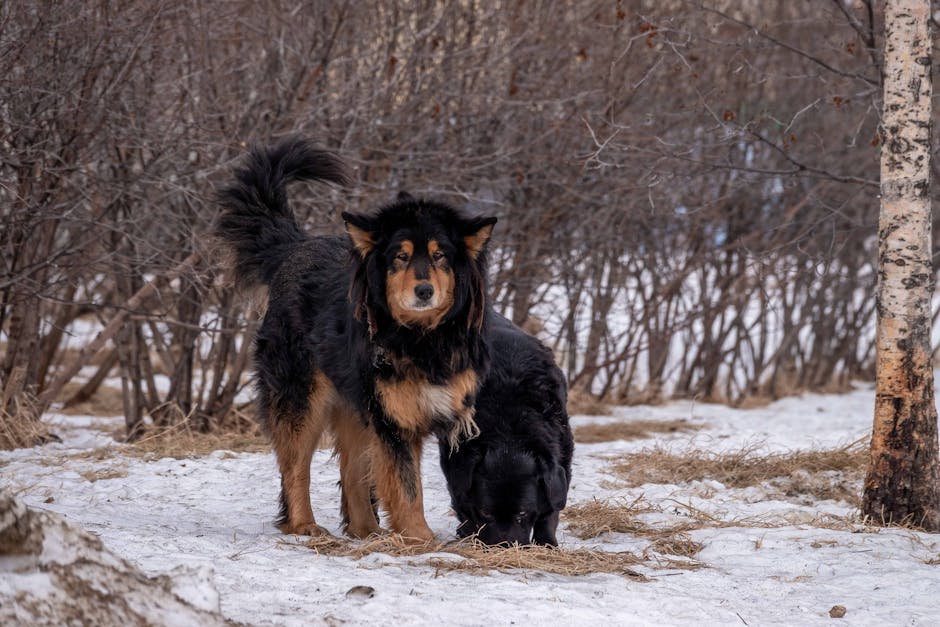
About the Tibetan Mastiff
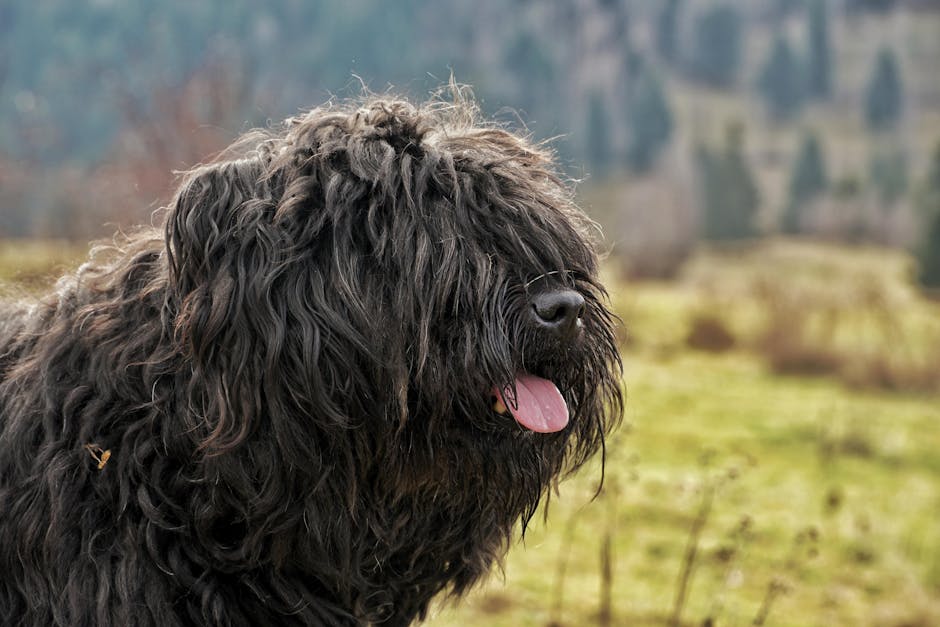
Standing 51–61 cm tall and weighing 25–34 kg, they cut an impressive figure with their distinctive medium coat, dense double layer, and characteristic lion-like mane. Their powerful build combines strength with surprising agility when needed. Temperamentally, Tibetan Mastiffs are devoted and deeply loyal to their families, displaying genuine affection and gentleness with those they know well. However, they are naturally reserved with strangers and require early, thorough socialisation to develop into well-rounded companions. Sensitive and eager for approval, they respond best to patient, experienced owners who understand their independent spirit and avoid heavy-handed training methods. Whilst generally good with household children, their considerable size demands adult supervision. Rather than working guard dogs, they thrive as devoted family companions in homes where they receive consistent leadership and adequate space. Their moderate exercise needs of up to one hour daily make them manageable for owners committed to proper care, training, and ongoing socialisation throughout their 11–13 year lifespan.
Tibetan Mastiff at a Glance
- Group
- Working
- Size
- Large
- Weight
- 25–34 kg
- Height
- 51–61 cm
- Lifespan
- 11–13 years
- Coat
- Medium
- Sheds
- Yes
- Exercise
- Up to 1 hour per day
- Typical price
- £800–£1500
Tibetan Mastiff Temperament
The Tibetan Mastiff is a devoted, protective, and deeply loyal breed with a calm, self-assured confidence forged through centuries as a flock and property guardian. Affectionate and gentle with its family, it tends to be reserved and watchful around strangers, and early, thorough socialisation is essential to develop a well-rounded temperament. Generally good with children in the household, though adult supervision is always advisable given its considerable size and strength. Sensitive and eager for approval, it thrives as a devoted house dog rather than a working guard. Independent by nature, it does not respond to quick commands or heavy-handed training. A patient, experienced owner will find it a magnificently loyal companion.
Tibetan Mastiff Lifestyle
The Tibetan Mastiff suits a larger property where they have room to move and does best with a large outdoor space to burn off energy. They are comfortable in either a town or rural environment.
Dog Food for Tibetan Mastiff
Top-rated foods for Large breeds, ranked by FurScore. How we score →
Recommended Food for Tibetan Mastiff
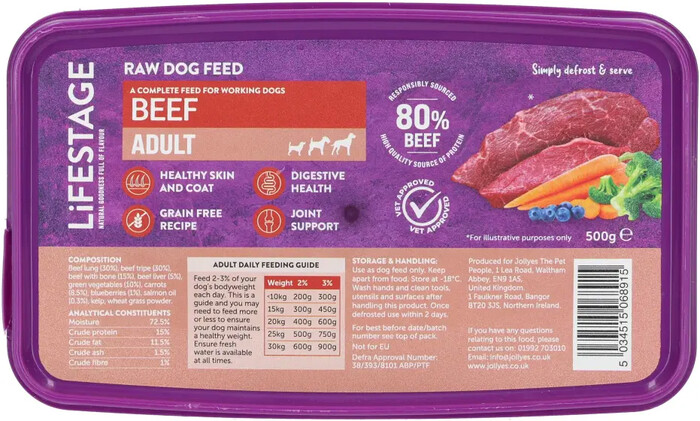
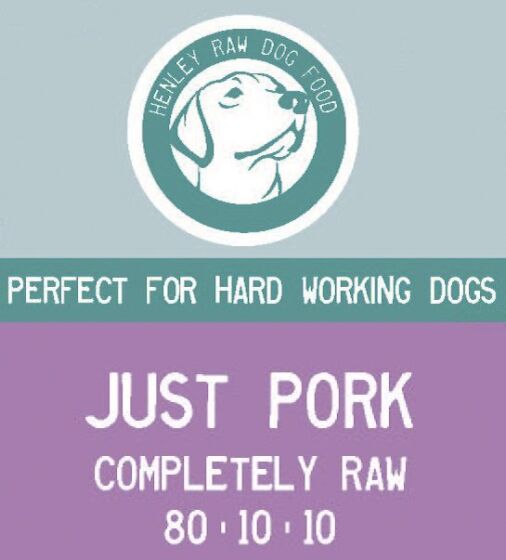
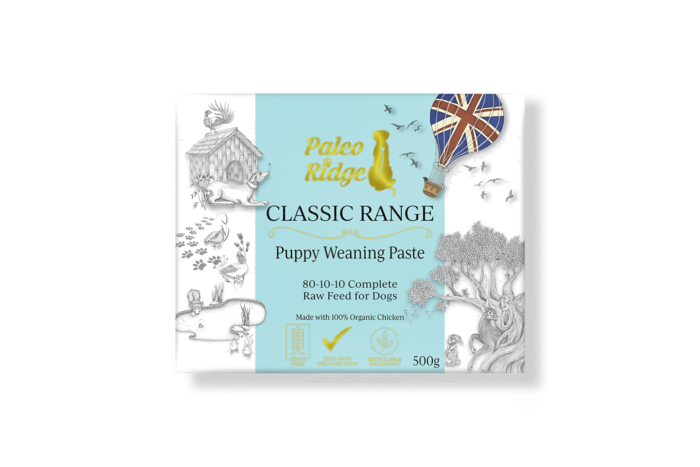
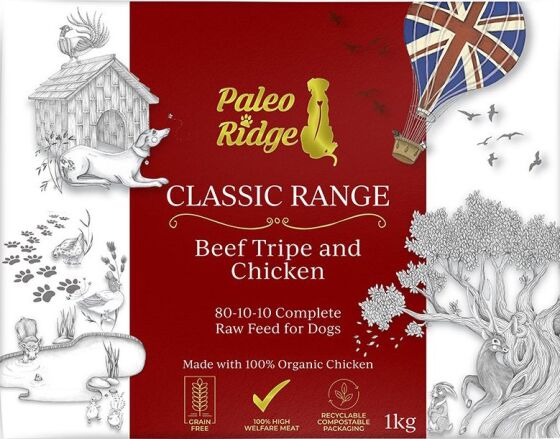

Tibetan Mastiff Food Costs
Estimated based on a typical Tibetan Mastiff weighing around 30 kg, using the food prices shown above.
Per day
£5.22 - £6.68
Per month
£157 - £200
Per year
£1906 - £2437
Tibetan Mastiff Characteristics
The Tibetan Mastiff demands serious exercise and won't be happy with a quick stroll around the block and trains well and tends to enjoy learning new skills. They are very patient and gentle with kids, but can be left for short to moderate periods without issue. The coat benefits from a brush once or twice a week and sheds moderately. They are sharp and quick-witted, which is a joy, but means they need keeping mentally occupied.
Tibetan Mastiff Pros & Cons
Pros
- Fiercely loyal and protective outdoors, yet calm and composed within the home
- An ancient breed with a striking lion-like mane and impressive double coat
- Their natural wariness around strangers makes them exceptionally effective watchdogs
- Well-suited to cooler climates and happy playing in cold or snowy weather
Cons
- Their independent nature requires consistent training from experienced and confident owners
- Not a suitable choice for first-time owners or homes with very young children
- Their guarding instincts can translate into bouts of barking, particularly at night
- Their large size and physical strength mean secure fencing and ample space are non-negotiable