Tibetan Spaniel
The Tibetan Spaniel, affectionately known as the "Tibbie," is a small yet remarkably intelligent companion with a rich history rooted in the Himalayan mountains.
Originally bred by Tibetan monks as both a cherished companion and vigilant watchdog, this breed has captured the hearts of dog lovers worldwide.
4-7kg
Weight
Small
Size
12-14yrs
Lifespan
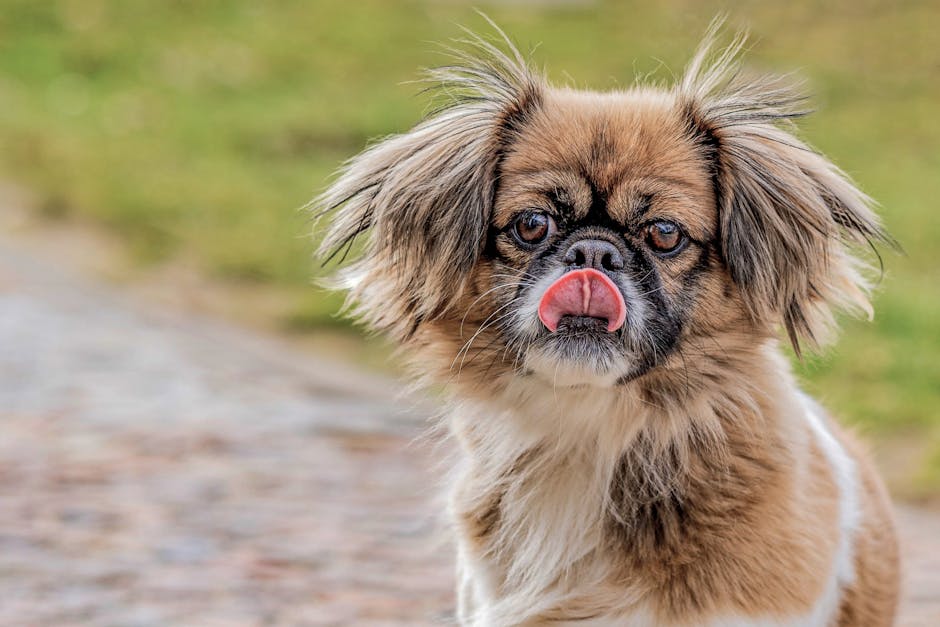
About the Tibetan Spaniel
Standing just 25–26 cm tall and weighing 4–7 kg, Tibbies are compact and elegantly proportioned, with a distinctive medium-length double coat that requires regular grooming. Their most endearing characteristic is their playful, puppy-like personality, which they maintain well into adulthood. These mischievous little dogs are highly intelligent and problem-solvers by nature, displaying a gentle responsiveness to their owners' emotions. They thrive on human companionship and adapt equally well to apartment living or country homes, provided they have secure boundaries to satisfy their inquisitive nature. Their independent streak means training requires patience and positive reinforcement, but their sharp minds reward varied, engaging activities. With moderate exercise needs of up to one hour daily, they suit various lifestyles. Perfect for owners who appreciate their unique character and can provide the consistent companionship they crave, Tibetan Spaniels make wonderfully devoted and entertaining family members with a lifespan of 12–14 years.
Tibetan Spaniel at a Glance
- Group
- Utility
- Size
- Small
- Weight
- 4–7 kg
- Height
- 25–26 cm
- Lifespan
- 12–14 years
- Coat
- Medium
- Sheds
- Yes
- Exercise
- Up to 1 hour per day
- Typical price
- £800–£1500
Tibetan Spaniel Temperament
The Tibetan Spaniel is an intelligent, mischievous, and highly engaging small breed with a playful, puppy-like quality it retains throughout its life. Problem-solving comes naturally to them, and they are responsive and closely attuned to their owners' emotions. Equally at home in an apartment or a country property, they do need secure boundaries as their inquisitive nature often leads them to explore. They dislike spending long periods alone and thrive on human companionship, making them poor kennel dogs. Their independent and occasionally stubborn streak means training should be patient, positive, and varied to keep their sharp minds engaged. A wonderfully entertaining and devoted companion for owners who appreciate their unique character.
Tibetan Spaniel Lifestyle
The Tibetan Spaniel is one of the more adaptable breeds when it comes to home size and copes well in a flat and benefits from access to a small or medium-sized garden. They suit both urban and rural settings.
Dog Food for Tibetan Spaniel
Top-rated foods for Small breeds, ranked by FurScore. How we score →
Recommended Food for Tibetan Spaniel
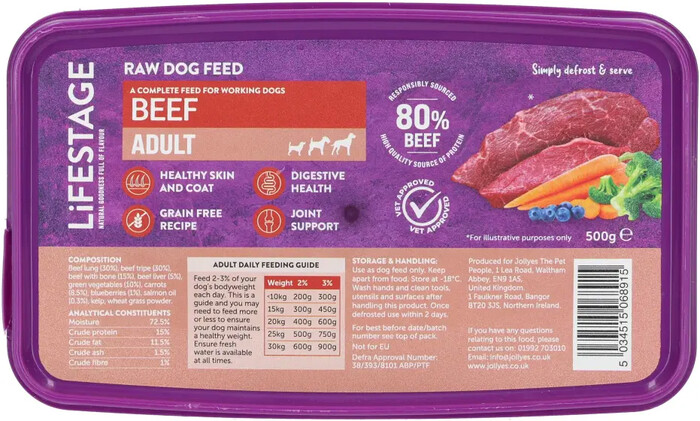

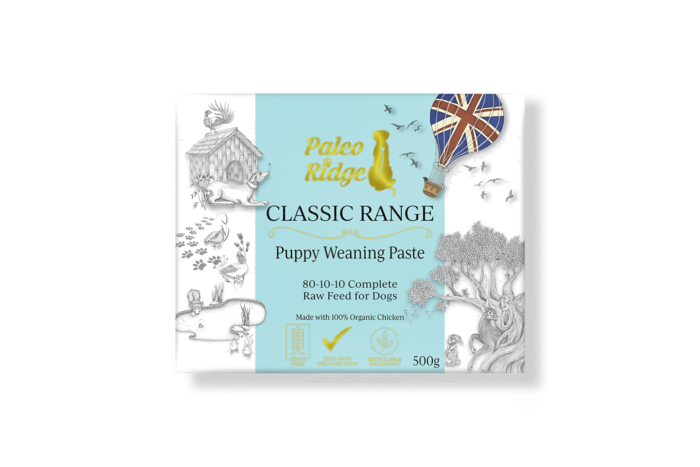



Tibetan Spaniel Food Costs
Estimated based on a typical Tibetan Spaniel weighing around 6 kg, using the food prices shown above.
Per day
£1.48 - £1.89
Per month
£44 - £57
Per year
£541 - £692
Tibetan Spaniel Characteristics
The Tibetan Spaniel benefits from regular walks and some off-lead time and is highly trainable and learns new things fast. They are very patient and gentle with kids and are content being left alone for moderate periods. The coat is reasonably straightforward to keep well-groomed and sheds steadily throughout the year. They are sharp and quick-witted, which is a joy, but means they need keeping mentally occupied.
Tibetan Spaniel Pros & Cons
Pros
- Charming and alert, with a delightful habit of perching in high spots to keep watch over their surroundings
- Highly adaptable, equally comfortable in a city flat or a country home with a secure garden
- Intelligent and trainable, with an affectionate and playful temperament
- A good fit for first-time owners looking for a small, sociable companion
Cons
- Known escape artists, so secure fencing in the garden is essential
- Can develop separation anxiety when left alone for extended periods
- Tends to be vocal and may need training to keep barking in check
- A natural prey drive means off-lead exercise should always be managed carefully