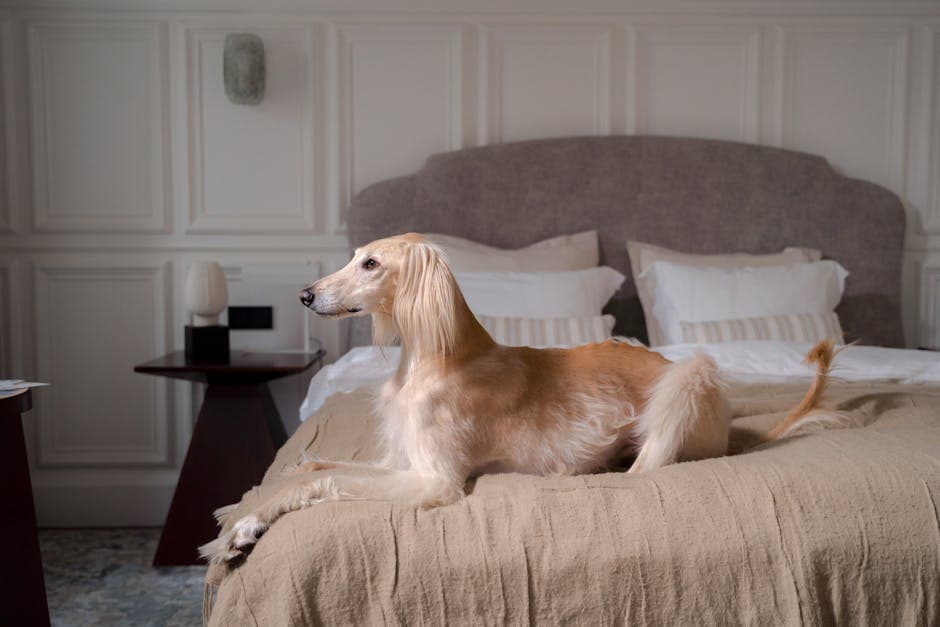
Whippet
The Whippet is an elegant and athletic sighthound that combines impressive speed with a remarkably gentle temperament.
Originally bred as a smaller cousin to the Greyhound, these dogs were developed for coursing and racing, yet they have evolved into devoted family companions equally at home on the track or the sofa.
25-34kg
Weight
Small
Size
12-14yrs
Lifespan
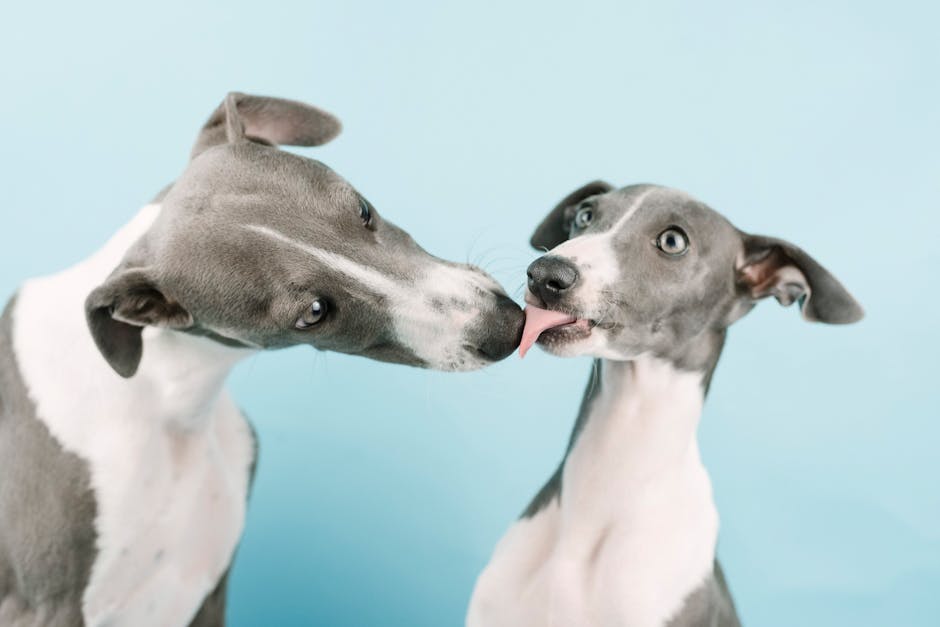
About the Whippet
Capable of reaching speeds up to 56 km/h, Whippets are characterised by their lean, muscular build, long heads, and expressive eyes set in a short, smooth coat that requires minimal grooming. Despite their athletic prowess, Whippets are surprisingly quiet and undemanding indoors. They form close bonds with their families and are generally excellent with children, displaying a sensitive, affectionate nature that makes them ideal for various households. Their friendly, sociable temperament means they thrive on human interaction and adapt well to both spacious countryside homes and smaller urban properties, provided they have access to secure outdoor space. As sighthounds, Whippets retain a strong prey drive and must be exercised regularly in secure areas to satisfy their instinctive running needs. They require up to an hour of daily exercise but are relatively low-maintenance companions otherwise. Their balance of liveliness and calm, combined with their loving disposition, makes them suitable for both experienced and first-time dog owners seeking an active, engaging pet.
Whippet at a Glance
- Group
- Hound
- Size
- Small
- Weight
- 25–34 kg
- Height
- 51–61 cm
- Lifespan
- 12–14 years
- Coat
- Short
- Sheds
- Yes
- Exercise
- Up to 1 hour per day
- Typical price
- £800–£1500
Whippet Temperament
The Whippet is a gentle, affectionate, and agreeable breed that makes an ideal family companion and devoted personal pet. Sensitive and mild-mannered at home, they form close bonds with their families and are generally excellent with children, enjoying calm company as much as outdoor activity. Despite their sleek, athletic build and impressive turn of speed, they are surprisingly quiet and undemanding indoors. Sociable and friendly, males are often noted for being particularly outgoing, obedient, and approachable, while females can be more selective in their affections. They need regular free-running exercise in a secure area to satisfy their sighthound instincts. A graceful, loving, and low-maintenance companion for a variety of households.
Whippet Lifestyle
The Whippet doesn't need a huge amount of indoor space and benefits from access to a small or medium-sized garden. They are comfortable in either a town or rural environment.
Dog Food for Whippet
Top-rated foods for Small breeds, ranked by FurScore. How we score →
Recommended Food for Whippet
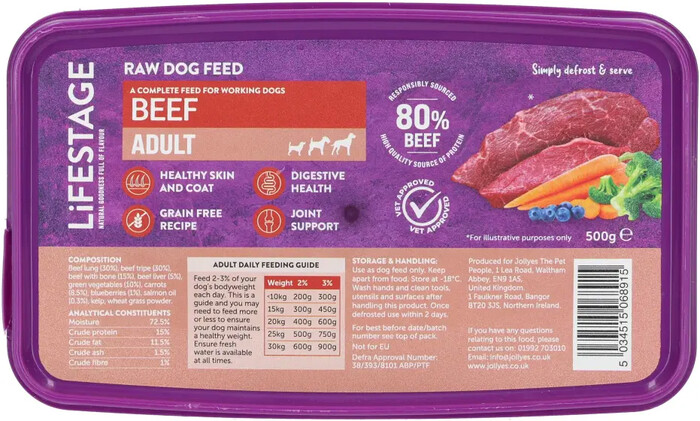

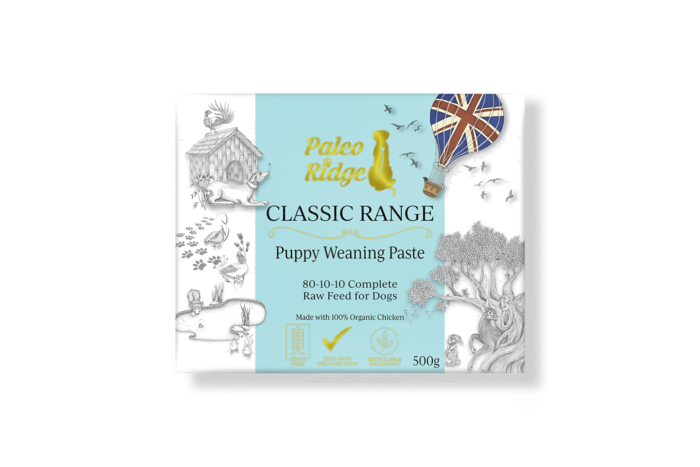


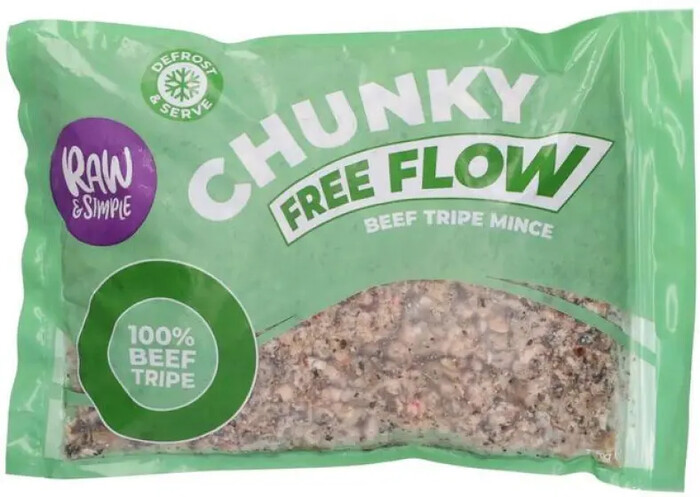
Whippet Food Costs
Estimated based on a typical Whippet weighing around 30 kg, using the food prices shown above.
Per day
£5.22 - £6.68
Per month
£157 - £200
Per year
£1906 - £2437
Whippet Characteristics
The Whippet needs substantial daily exercise and mental stimulation to stay settled and responds brilliantly to positive reinforcement. They love children and tend to get on brilliantly with them, but are fine alone for moderate amounts of time. The coat is fairly easy to maintain with regular brushing and sheds a fair amount but nothing unmanageable. They are a highly intelligent breed that needs mental stimulation as well as physical exercise.
Whippet Pros & Cons
Pros
- Combines impressive speed and athleticism with a calm, gentle disposition at home
- Affectionate and highly adaptable, settling comfortably into a wide range of home environments
- Their short coat requires very little grooming and comes in a wide variety of colours
- Thrives with regular exercise and forms close, warm bonds with their family
Cons
- A strong prey drive means secure fencing and careful off-lead management are essential
- Their thin skin makes them more prone to cuts and scrapes and calls for gentle handling
- Can be a little tricky to train, responding best to patient and consistent methods
- Prone to separation anxiety if left alone too often or for too long