

General Feeding Guidelines
Why Dog Food Matters
Food is the most important factor in your dog's life. Diet determines everything from the energy for daily activity to the nutrients that form tissues and support cellular processes. Nutritional balance is critical throughout all life stages, ultimately determining quality and length of life.
What to Feed Your Dog
No single answer exists. Trial and error helps identify suitable options. Dogs thrive on different diets, requiring evaluation across food categories.
Complete Foods
The most popular choice for UK owners. Contains all required nutrients for independent feeding. Available as dry, wet, or raw.
Complementary Foods
Nutritionally incomplete. Require pairing with home-prepared foods or complete diets. Mixer biscuits are cereal-based fillers.
Dry Foods
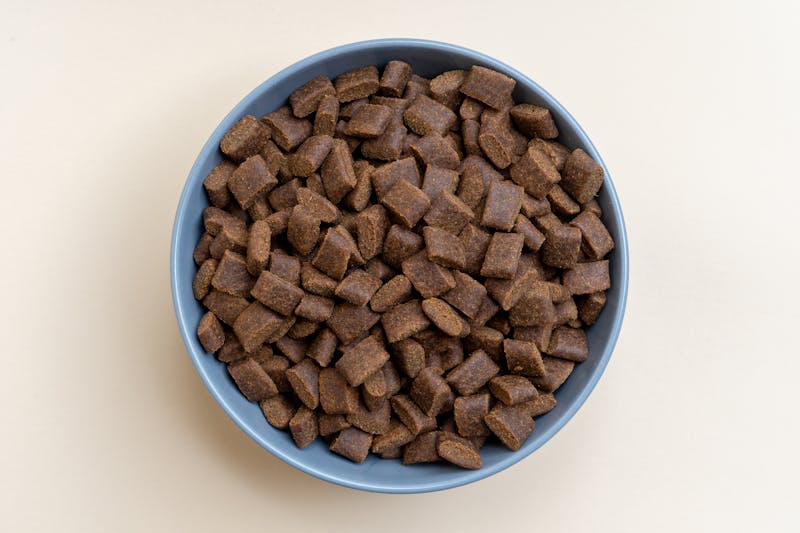
Most popular in the UK due to convenience. Processed through extrusion, baking, cold pressing, or air drying with varying nutrient retention effects.
Wet Foods
Contains 70–85% water content, beneficial for dogs with insufficient water intake. More palatable for selective eaters.
Raw Foods
Biologically Appropriate Raw Food (BARF) involves uncooked meat, bones, and vegetables. Complete raw foods offer convenient home-preparation alternatives.
How Much to Feed
The amount depends on weight, age, activity level, and food energy density. Product packaging provides the most reliable guidance. Our reviews enable comparing daily amounts and costs across products. Higher-priced foods requiring smaller portions may cost less overall.
When to Feed
Adult dogs generally do well on one or two daily meals. Puppies need three to four feedings until six months, reducing to twice daily approaching adulthood. Consistent feeding times benefit dogs. Avoid exercise for at least an hour after feeding.
Changing Foods
Transition gradually over seven to ten days, slowly increasing the new food while decreasing the old. Sudden changes cause digestive upset.