The Short Answer
Most dogs are considered senior from around seven years of age, though larger breeds can reach this stage as early as five. Key changes include a lower calorie requirement as activity declines, plus greater importance of joint-supporting nutrients such as glucosamine, chondroitin, and omega-3 fatty acids. Many senior-specific foods also reduce phosphorus levels to ease the workload on ageing kidneys, while still providing sufficient protein to maintain muscle mass.
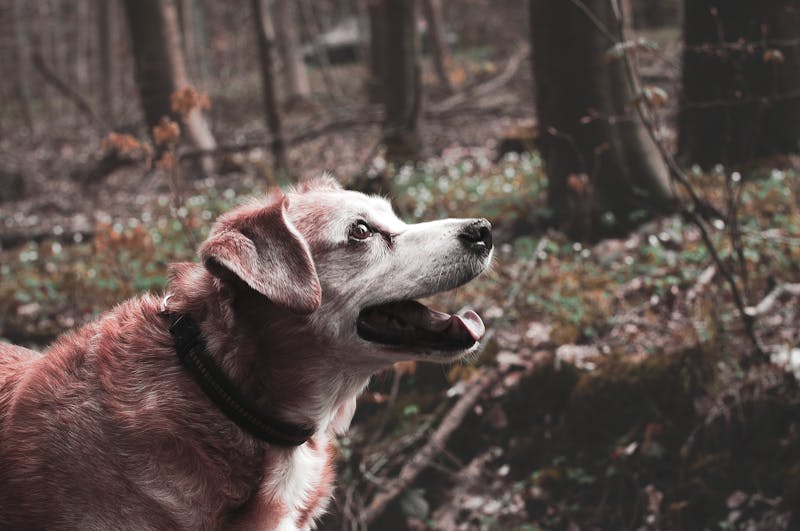
Most dogs are considered senior from around seven years of age, though this varies by breed. Larger breeds tend to age faster, with some entering their senior years as early as five. Whatever the breed, ageing brings changes in metabolism, activity levels, and nutritional requirements.
Senior dogs typically need fewer calories as their activity levels decrease. Continuing to feed the same portions as their younger years often leads to gradual weight gain, which places extra strain on joints and organs. Reducing portion sizes or switching to a lower-calorie formulation can help maintain a healthy weight.
Joints, Kidneys, and Protein
Joint health becomes increasingly important for older dogs. Look for foods containing glucosamine and chondroitin, which support cartilage health. Omega-3 fatty acids from fish oil also have anti-inflammatory properties that can benefit stiff or sore joints.
Kidney function can decline with age, so many senior-specific foods contain reduced phosphorus levels to ease the workload on the kidneys. However, protein levels shouldn't be drastically reduced unless specifically advised by a vet. Older dogs still need quality protein to maintain muscle mass.
If your senior dog is healthy, active, and maintaining a good body condition on their current food, there may be no need to change. The most important thing is regular monitoring and adjusting portions as needed. Always consult your vet if you notice significant changes in appetite, weight, or energy levels.
Find the best food for your dog
Browse our independent, algorithm-based ratings for every dog food sold in the UK.
Browse Dog Foods →About the Author

Dog Trainer & Co-founder, Furra
Graham is a professional dog trainer and co-founder of Furra, with over ten years of experience living and working with dogs. His journey began with two remarkable Shar Pei, Bane and Ivy, who shaped everything he knows about dog welfare, nutrition, and what it means to truly care for a dog. Both are dearly missed. Today he shares his life with Stella, a Goldador who goes everywhere with him, including up quite a few mountains. The frustration of navigating a pet food market full of vague claims and poor transparency drove Graham to build Furra: a platform that gives dog owners honest, data-driven information so they can make genuinely better choices for their dogs.
View all articles →