The Short Answer
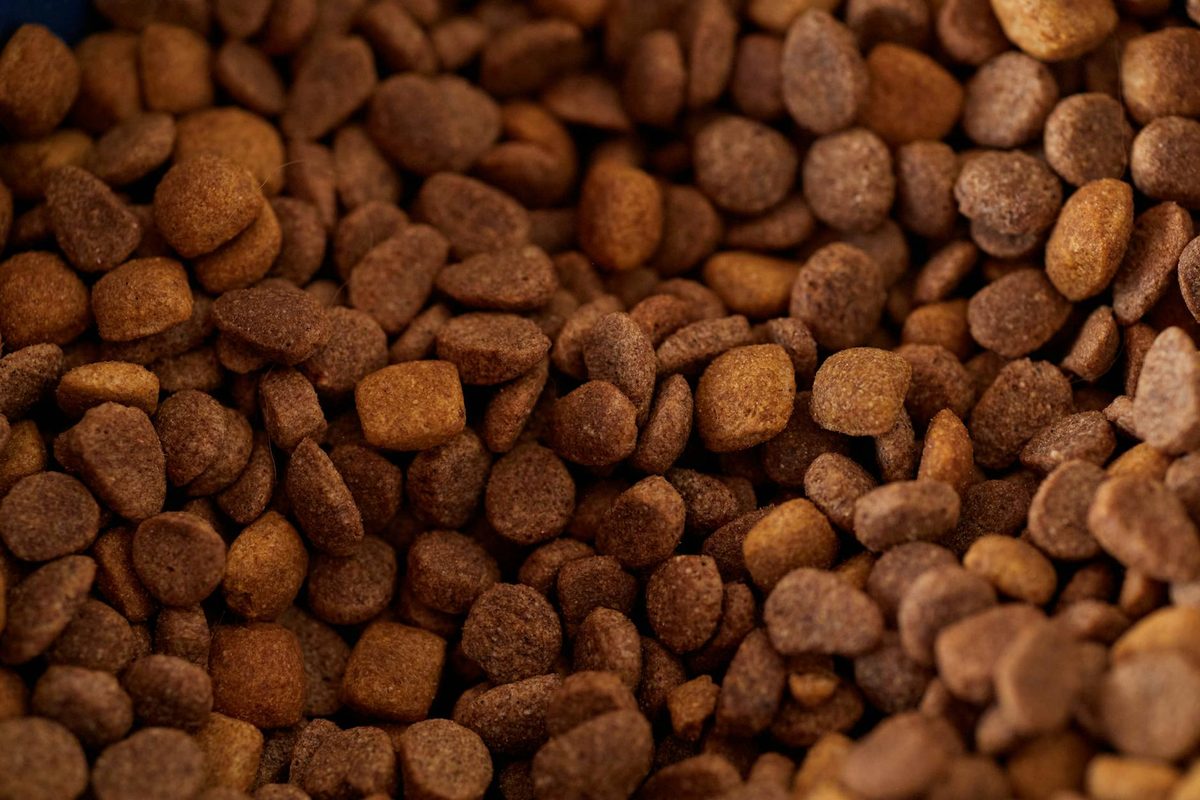
Neither raw nor kibble is universally better -- both can deliver excellent nutrition when the ingredients are high quality and the food is nutritionally complete. Raw food offers shorter ingredient lists and clear meat sourcing, but requires careful handling to avoid bacterial contamination and is generally more expensive and less convenient day to day. Modern complete dry foods are formulated to meet all nutritional requirements after processing, making them a reliable and practical alternative.
The raw feeding movement has grown significantly in recent years, with advocates claiming it's the most natural and healthy way to feed dogs. But is raw food genuinely better than kibble, or is it more about marketing than science?
Proponents of raw feeding argue that dogs evolved to eat raw meat and bones, and that cooking destroys vital nutrients and enzymes. While there's some truth to the idea that processing can reduce certain nutrient levels, modern complete dry foods are formulated to meet all nutritional requirements after processing.
Transparency and Ingredients
One clear advantage of raw food is ingredient transparency. Raw foods tend to have short, simple ingredient lists with clearly named meat sources. However, high-quality kibble brands also offer this level of transparency. The format itself doesn't determine ingredient quality.
Practical Considerations
There are practical considerations too. Raw food requires careful handling and storage to avoid bacterial contamination. It's generally more expensive per day and less convenient for travel or busy lifestyles. Kibble is shelf-stable, easy to portion, and widely available.
Our view at Furra is that both raw and kibble can provide excellent nutrition when the ingredients are high quality and the food is nutritionally complete. The best food for your dog is the one that suits their individual needs, your lifestyle, and your budget. Check our ratings to compare options across all formats.

Find the best food for your dog
Browse our independent, algorithm-based ratings for every dog food sold in the UK.
Browse Dog Foods →About the Author

Dog Trainer & Co-founder, Furra
Graham is a professional dog trainer and co-founder of Furra, with over ten years of experience living and working with dogs. His journey began with two remarkable Shar Pei, Bane and Ivy, who shaped everything he knows about dog welfare, nutrition, and what it means to truly care for a dog. Both are dearly missed. Today he shares his life with Stella, a Goldador who goes everywhere with him, including up quite a few mountains. The frustration of navigating a pet food market full of vague claims and poor transparency drove Graham to build Furra: a platform that gives dog owners honest, data-driven information so they can make genuinely better choices for their dogs.
View all articles →