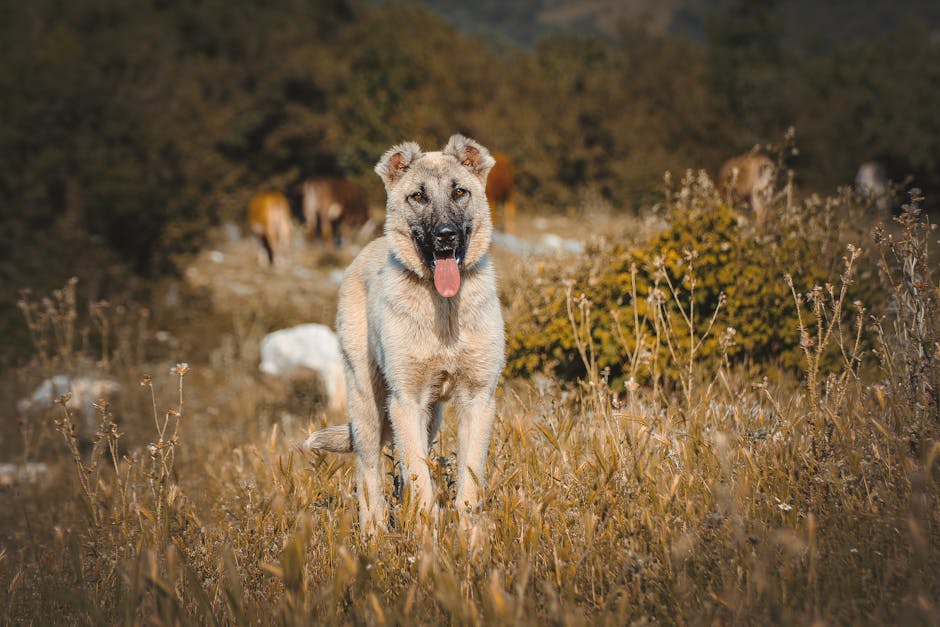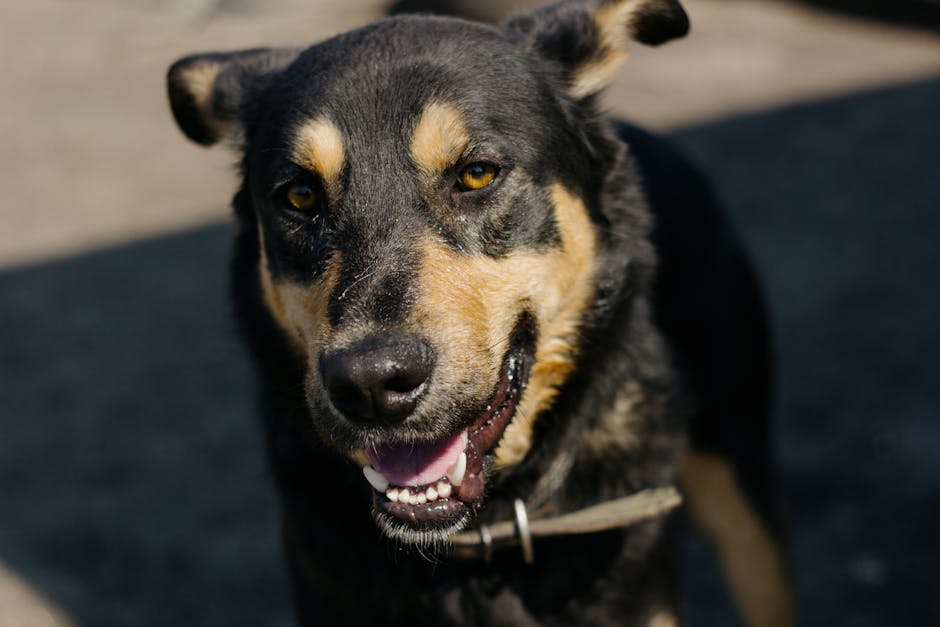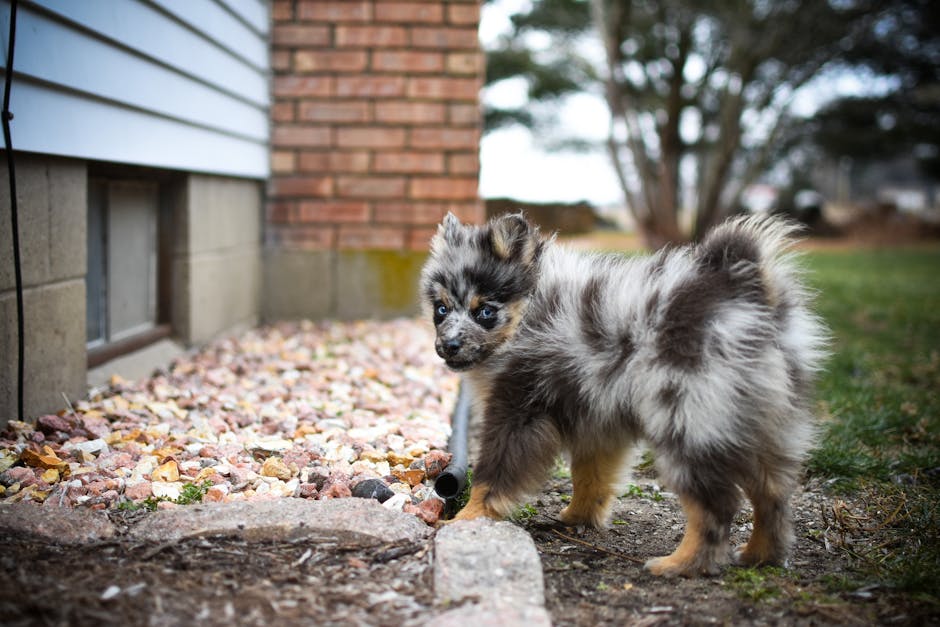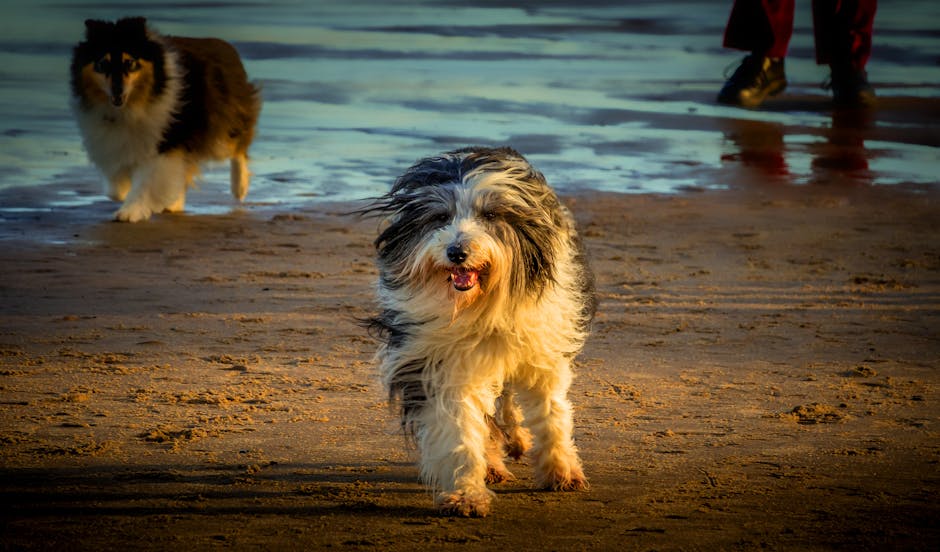
Australian Cattle Dog
The Australian Cattle Dog, commonly known as the Blue Heeler or Red Heeler, is an exceptionally intelligent working breed developed in Australia during the nineteenth century to herd cattle across vast stretches of challenging terrain.
Originally created by crossing imported Smooth Collies with native Australian Dingoes, and later refined with Dalmatians and Kelpies, this breed combines remarkable stamina, agility and problem-solving ability in a compact, muscular frame.
15-22kg
Weight
Medium
Size
12-14yrs
Lifespan
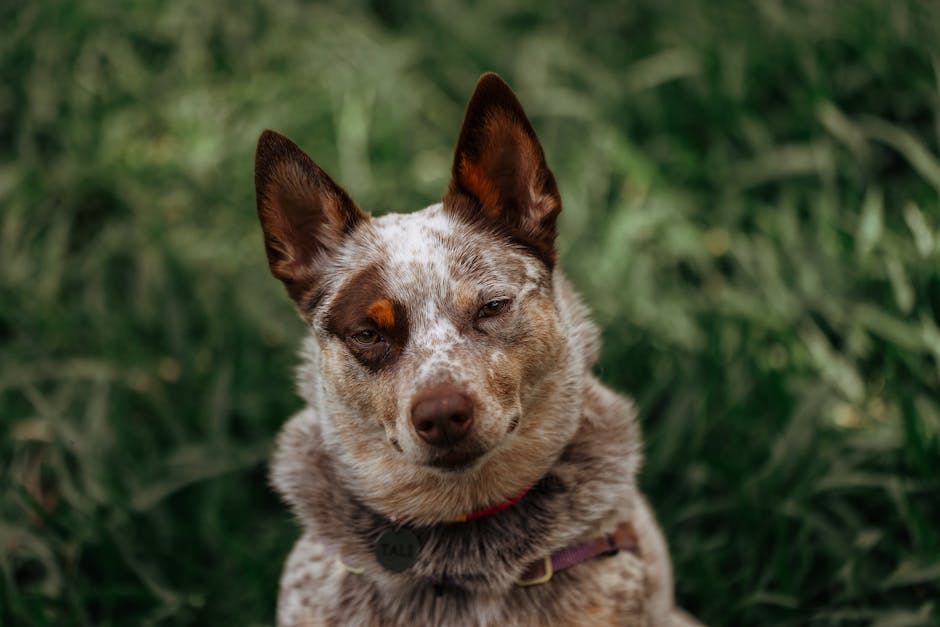
About the Australian Cattle Dog
Standing 43 to 51 centimetres tall and weighing 15 to 22 kilograms, Australian Cattle Dogs are immediately recognisable by their distinctive mottled blue or red speckled coat, broad skull and alert, erect ears. Their working heritage has shaped them into extraordinarily loyal and devoted companions, forming deep bonds with their owners whilst remaining naturally wary of strangers. These tireless, highly intelligent dogs require more than two hours of daily exercise and substantial mental stimulation to thrive. Without sufficient activity, they may develop destructive behaviours or frustration. They can also display herding instincts, occasionally nipping at heels or children, and their independent, strong-willed nature demands early socialisation and consistent training. Australian Cattle Dogs are best suited to active households where they receive the dedicated attention and engagement they crave. With the right owner and environment, they make steadfastly loyal and highly capable companions.
Australian Cattle Dog at a Glance
- Group
- Pastoral
- Size
- Medium
- Weight
- 15–22 kg
- Height
- 43–51 cm
- Lifespan
- 12–14 years
- Coat
- Short
- Sheds
- Yes
- Exercise
- More than 2 hours per day
Australian Cattle Dog Temperament
The Australian Cattle Dog is a loyal, hardworking and intensely devoted breed with a natural aptitude for herding. Alert and courageous, it is protective of its family and wary of strangers, making it an effective watchdog. This breed is energetic and intelligent, needing plenty of physical exercise and mental challenge to remain content. It can be strong-willed and independent, so early socialisation and consistent training are important. Australian Cattle Dogs bond closely with their owners and are not well suited to being left alone for long periods. With the right guidance, they are steadfastly loyal and highly capable companions.
Australian Cattle Dog Lifestyle
The Australian Cattle Dog suits a modest-sized house and is well suited to a home with a small to medium garden. A country setting suits them well.
Dog Food for Australian Cattle Dog
Top-rated foods for Medium breeds, ranked by FurScore. How we score →
Recommended Food for Australian Cattle Dog
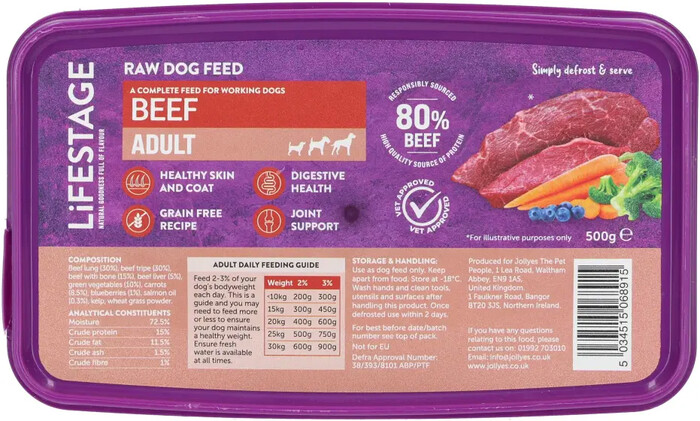
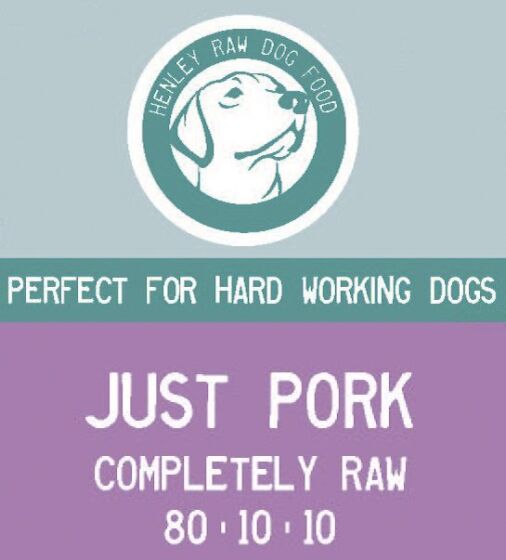
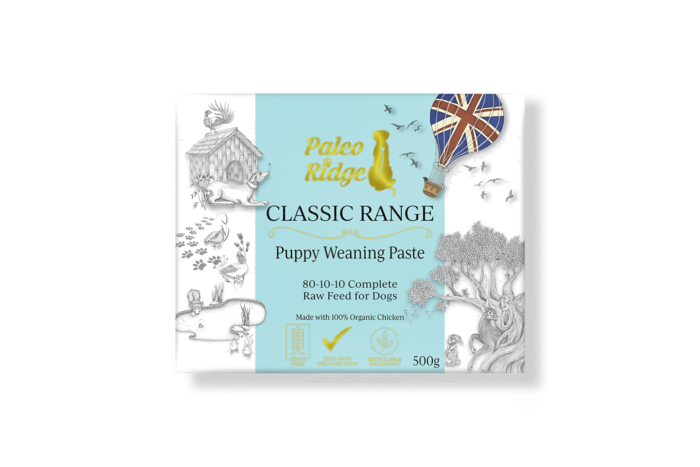

Australian Cattle Dog Food Costs
Estimated based on a typical Australian Cattle Dog weighing around 19 kg, using the food prices shown above.
Per day
£3.68 - £4.71
Per month
£110 - £141
Per year
£1343 - £1718
Australian Cattle Dog Characteristics
The Australian Cattle Dog demands serious exercise and won't be happy with a quick stroll around the block and trains well and tends to enjoy learning new skills. They are very patient and gentle with kids, but can be left for short to moderate periods without issue. The coat benefits from a brush once or twice a week and sheds moderately. They are sharp and quick-witted, which is a joy, but means they need keeping mentally occupied.
Australian Cattle Dog Pros & Cons
Pros
- Loyal, protective and impressively intelligent with robust overall health
- Excels in canine sports like agility and obedience with the right training
- Thrives in active, outdoor lifestyles with strong working instincts
- Low-maintenance grooming and very little doggy odour
Cons
- Needs significant daily exercise and plenty of mental challenges
- Better suited to owners who already have experience with dogs
- Their natural nipping behaviour needs consistent, early management
- Without thorough early socialisation, territorial aggression can develop