Clumber Spaniel
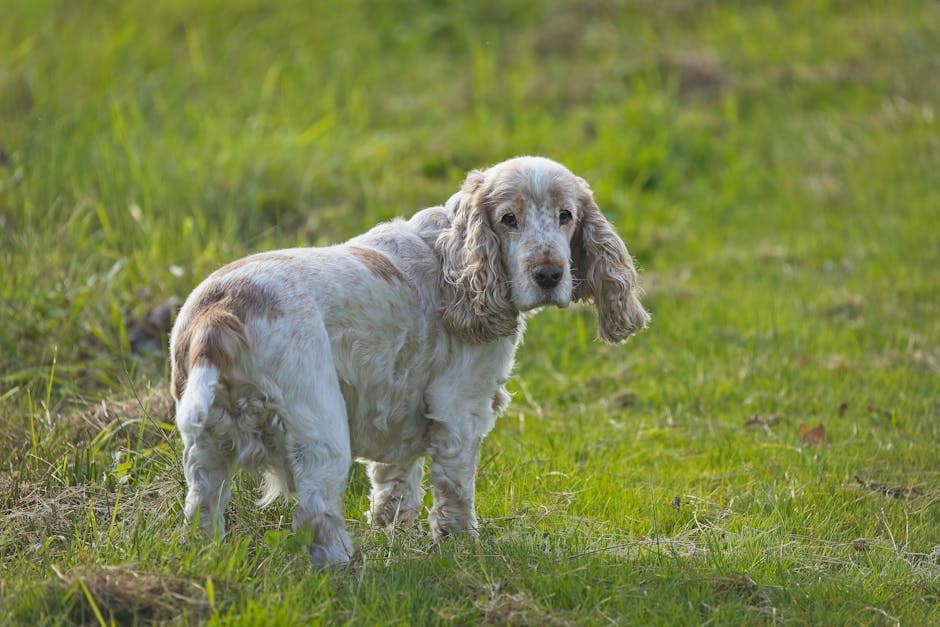
The Clumber Spaniel is the heaviest of all spaniel breeds, a gentle and dignified gundog with roots tracing back to eighteenth-century France.
The breed was substantially developed in Britain at Clumber Park in Nottinghamshire, the estate of the Duke of Newcastle, from which it takes its name.
25-34kg
Weight
Medium
Size
12-14yrs
Lifespan

About the Clumber Spaniel
Bred to work at a slower, steadier pace than other spaniels, Clumbers were favoured by the aristocracy and royal family for driven game shooting, where a measured, thorough approach to retrieving was prized over speed. Standing 43 to 51 centimetres at the shoulder and weighing 25 to 34 kilograms, the Clumber is a long, low and heavily built dog with a large square head, gentle expression, and dense, silky white coat with lemon or orange markings. In temperament, the breed is calm, loyal and deeply affectionate, making it an excellent family companion. Clumbers are patient and gentle with children and other dogs, though they retain the independence typical of field dogs. While not as exuberant as some spaniel varieties, they still require more than two hours of daily exercise and mental engagement to thrive. Their easygoing, thoughtful nature makes them well suited to both country and suburban homes, where they settle happily as cherished family members.
Clumber Spaniel at a Glance
⚠ Vulnerable Native Breed
The Clumber Spaniel is listed as a Vulnerable Native Breed by the Royal Kennel Club, meaning fewer than 300 puppies of this breed are registered each year in the UK. These are British and Irish breeds at risk of disappearing simply because not enough people know they exist. Choosing one of these breeds helps keep an important part of our heritage alive.
- Group
- Gundog
- Size
- Medium
- Weight
- 25–34 kg
- Height
- 43–51 cm
- Lifespan
- 12–14 years
- Coat
- Medium
- Sheds
- Yes
- Exercise
- More than 2 hours per day
- Typical price
- £800–£1500
Clumber Spaniel Temperament
The Clumber Spaniel is a kind, thoughtful and deeply loyal breed with a gentle desire to please its family. Calm and unhurried in temperament, it is not suited to forceful or regimented training, preferring instead to observe, absorb and learn at its own pace. Its heritage as a field dog gives it a little independence on the trail, but a Clumber always checks back with its owner and looks to them for guidance. Generally at its happiest with canine company, ideally another Clumber, it also adapts well to being a single dog in a loving household. It is patient and affectionate with all members of the family.
Clumber Spaniel Lifestyle
The Clumber Spaniel is comfortable in a smaller house and needs a good-sized, secure garden. They adapt well to both town and country living.
Dog Food for Clumber Spaniel
Top-rated foods for Medium breeds, ranked by FurScore. How we score →
Recommended Food for Clumber Spaniel




Clumber Spaniel Food Costs
Estimated based on a typical Clumber Spaniel weighing around 30 kg, using the food prices shown above.
Per day
£5.22 - £6.68
Per month
£157 - £200
Per year
£1906 - £2437
Clumber Spaniel Characteristics
The Clumber Spaniel does well with a couple of good walks a day and is one of the easier breeds to train. They are well known for being gentle and patient with young children, but manage alone time well enough, though they certainly prefer company. The coat benefits from regular professional grooming in addition to at-home brushing and sheds at a typical rate for the breed type. This is a very clever breed that benefits from puzzle toys and training to keep their mind busy.
Clumber Spaniel Pros & Cons
Pros
- Loyal and affectionate, forming close bonds with the whole family
- Gentle temperament that suits first-time owners well
- Patient and tolerant with children of all ages
- Moderate exercise needs that fit comfortably into a calmer household routine
Cons
- Slow to mature, often retaining puppy-like behaviour well into their third year
- Heavy seasonal shedding that needs regular grooming to keep on top of
- Large size means they need plenty of space and a decent amount of daily exercise
- Prone to certain inherited health conditions that need regular monitoring