Curly Coated Retriever
The Curly Coated Retriever stands as one of the oldest and tallest members of the retriever group, with a rich British heritage dating back to the eighteenth century.
Developed through crosses involving retrieving setters, Irish Water Spaniels, and possibly Poodles, these elegant dogs were originally used by gamekeepers and wildfowlers to retrieve game from water and challenging terrain.
23-41kg
Weight
Medium
Size
12-14yrs
Lifespan
About the Curly Coated Retriever
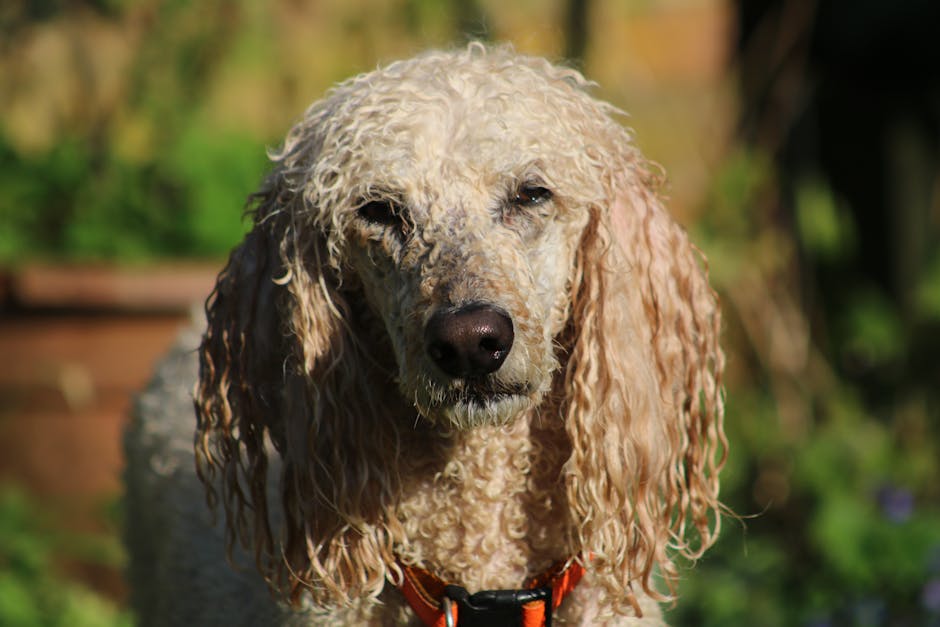
Their distinctive tight curly coat provided exceptional waterproofing and protection from thorns and harsh conditions. Standing 58 to 69 centimetres at the shoulder and weighing 23 to 41 kilograms, Curly Coated Retrievers are striking dogs with sleek, muscular builds entirely covered in small, crisp curls. Their coats come in black or liver and require minimal grooming, as brushing would damage the natural curl pattern. In temperament, they are confident, intelligent and independent, displaying a calm self-assurance that sets them apart from other retrievers. Loyal and affectionate with family members, they may be more reserved with strangers. These slow-maturing dogs retain puppy-like energy for several years but remain devoted companions throughout their 12 to 14-year lifespan. With an intelligent mind of their own, they respond to training in their own time. Suited to active, experienced owners, they thrive with up to one hour of daily exercise and mental stimulation.
Curly Coated Retriever at a Glance
- Group
- Gundog
- Size
- Medium
- Weight
- 23–41 kg
- Height
- 58–69 cm
- Lifespan
- 12–14 years
- Coat
- Medium
- Sheds
- Yes
- Exercise
- Up to 1 hour per day
- Typical price
- £800–£1500
Curly Coated Retriever Temperament
The Curly Coated Retriever is a confident, gentle and fun-loving breed with a kind, good-hearted temperament. Prized for its pace, endurance and exceptional nose, it excels in the water and has a remarkable ability to memorise and mark multiple retrieves. As a slow-maturing breed, it can retain puppy-like energy for up to three years, but it is consistently affectionate and loyal throughout. Intelligent and capable, it has a mind of its own and may respond to training in its own time rather than immediately. Its deep bark alone is a useful deterrent, and it is a devoted and playful companion for all members of the family.
Curly Coated Retriever Lifestyle
The Curly Coated Retriever adapts well to life in a smaller house and benefits from access to a small or medium-sized garden. Whether in the city or the countryside, they tend to settle well.
Dog Food for Curly Coated Retriever
Top-rated foods for Medium breeds, ranked by FurScore. How we score →
Recommended Food for Curly Coated Retriever
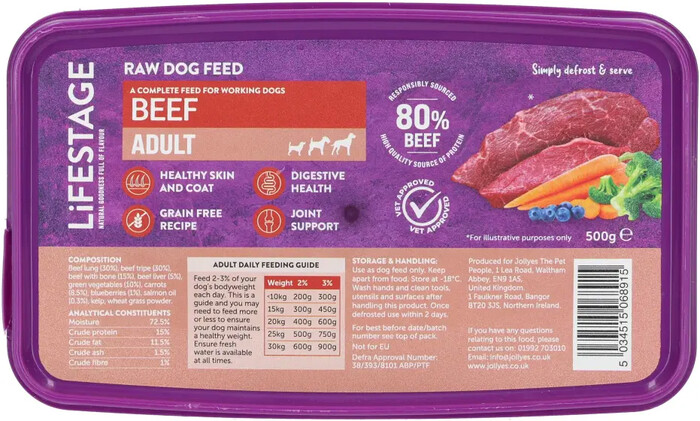

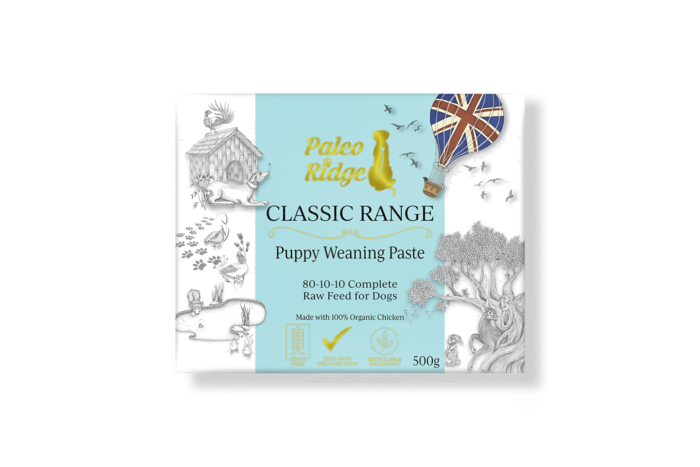



Curly Coated Retriever Food Costs
Estimated based on a typical Curly Coated Retriever weighing around 32 kg, using the food prices shown above.
Per day
£5.55 - £7.10
Per month
£167 - £213
Per year
£2026 - £2591
Curly Coated Retriever Characteristics
The Curly Coated Retriever demands serious exercise and won't be happy with a quick stroll around the block and responds brilliantly to positive reinforcement. They are incredibly tolerant of the rough-and-tumble nature of family life, but are okay left alone for a few hours at a time. The coat requires moderate grooming effort, nothing excessive and sheds moderately. Intelligence is a real hallmark of this breed, and they do best with plenty of mental enrichment alongside exercise.
Curly Coated Retriever Pros & Cons
Pros
- Distinctive tight curls give them a coat that is truly unique among retrievers
- Highly intelligent and trainable, with a fun-loving and playful nature
- A loyal and calm companion with good watchdog instincts
- Good with children and generally friendly with other pets when socialised from young
Cons
- Late to mature and can be wilful and boisterous until around three years old
- Needs firm but gentle, consistent training to avoid stubborn habits forming
- Strong prey drive requires careful management when off lead
- Not the best fit for first-time owners given their exercise and training needs