Dandie Dinmont Terrier
The Dandie Dinmont Terrier is a small Scottish breed with a fascinating heritage, named after a fictional character in Sir Walter Scott's 1815 novel Guy Mannering.
Originally developed in the Border country between England and Scotland, these characterful dogs were bred to hunt otter and badger through rough terrain and riverbanks.
8-11kg
Weight
Small
Size
12-14yrs
Lifespan
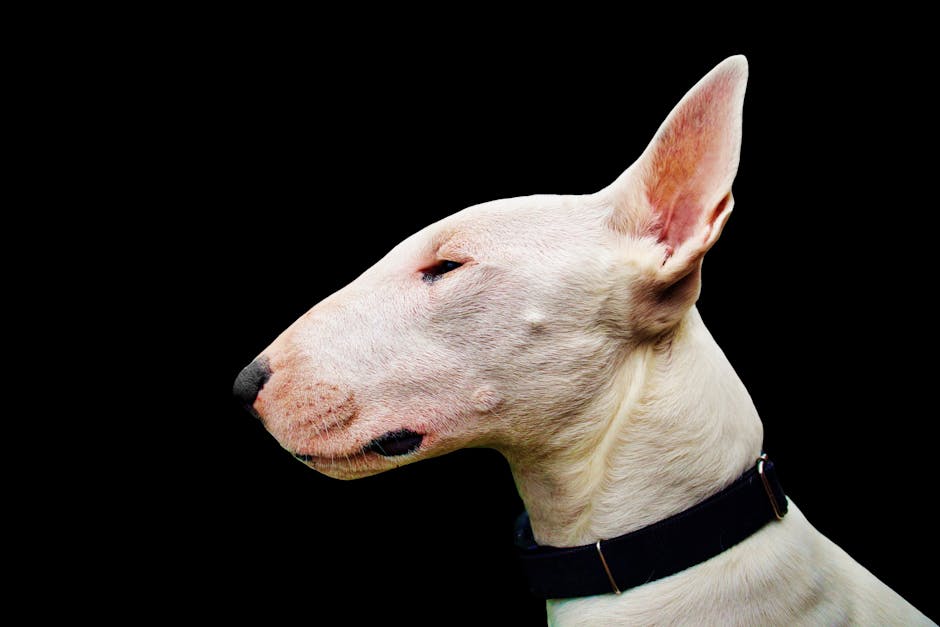
About the Dandie Dinmont Terrier
Standing 20–28 centimetres tall and weighing 8–11 kilograms, the Dandie Dinmont is instantly recognisable by its long, low body, distinctive domed head crowned with a silky topknot, and either pepper (dark blue-grey) or mustard (reddish-brown to fawn) coat. The breed requires regular grooming to maintain its unique appearance. What truly sets the Dandie Dinmont apart from other terriers is its remarkably calm and gentle temperament. Despite possessing the courage and independence of a working terrier, it is neither yappy nor snappy, greeting people with dignified charm rather than boisterous enthusiasm. This breed bonds deeply with its family and forms a loyal, affectionate companion. It tends to be reserved with strangers and retains natural terrier instincts towards small animals. With moderate exercise needs of up to one hour daily and a lifespan of 12–14 years, the Dandie Dinmont suits quieter, experienced households seeking a distinctive and characterful pet.
Dandie Dinmont Terrier at a Glance
⚠ Vulnerable Native Breed
The Dandie Dinmont Terrier is listed as a Vulnerable Native Breed by the Royal Kennel Club, meaning fewer than 300 puppies of this breed are registered each year in the UK. These are British and Irish breeds at risk of disappearing simply because not enough people know they exist. Choosing one of these breeds helps keep an important part of our heritage alive.
- Group
- Terrier
- Size
- Small
- Weight
- 8–11 kg
- Height
- 20–28 cm
- Lifespan
- 12–14 years
- Coat
- Medium
- Sheds
- No
- Exercise
- Up to 1 hour per day
- Typical price
- £800–£1500
Dandie Dinmont Terrier Temperament
The Dandie Dinmont Terrier is widely considered the most calm and gentle of all the terrier breeds. Despite a bold, independent spirit, it is neither a yapper nor a snapper, and tends to greet people with a dignified charm rather than boisterous excitement. It bonds closely with its family and is affectionate and loyal, though it can be reserved with strangers. The Dandie's deep bark belies its small size, making it an effective watchdog. It is intelligent and responds well to patient, consistent training. Generally good with older children and other dogs it knows, this breed makes a quietly characterful companion for those who appreciate its distinctive personality.
Dandie Dinmont Terrier Lifestyle
The Dandie Dinmont Terrier doesn't require a large home to be happy and does well with some outdoor space, even if it isn't large. They are comfortable in either a town or rural environment.
Dog Food for Dandie Dinmont Terrier
Top-rated foods for Small breeds, ranked by FurScore. How we score →
Recommended Food for Dandie Dinmont Terrier




Dandie Dinmont Terrier Food Costs
Estimated based on a typical Dandie Dinmont Terrier weighing around 10 kg, using the food prices shown above.
Per day
£2.23 - £2.85
Per month
£67 - £86
Per year
£815 - £1042
Dandie Dinmont Terrier Characteristics
The Dandie Dinmont Terrier needs substantial daily exercise and mental stimulation to stay settled and picks up new commands with very little repetition. They are one of the most child-friendly breeds you'll find, but can manage moderate periods alone. The coat benefits from a brush once or twice a week and sheds a fair amount but nothing unmanageable. Exceptionally clever, they thrive when given jobs to do or puzzles to solve.
Dandie Dinmont Terrier Pros & Cons
Pros
- Distinctive low-shedding coat with a charming silhouette, well suited to allergy-sensitive homes
- Affectionate and patient with children, particularly older kids
- A natural watchdog with a surprisingly deep, resonant bark for their size
- Moderate exercise needs that fit well into active households with secure outdoor space
Cons
- Coat needs professional grooming every eight to twelve weeks to maintain its shape and health
- Can show a stubborn streak that requires patient and consistent training
- High prey drive means off-lead time needs careful management
- Puppies are scarce, and finding a responsible breeder often means joining a waiting list