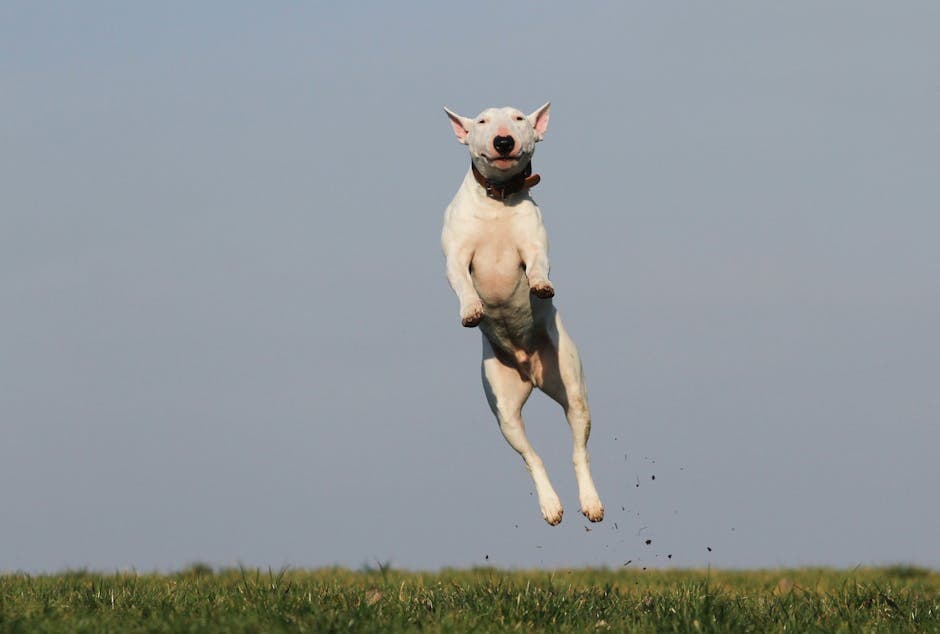
English Bull Terrier
The English Bull Terrier is one of Britain's most distinctive and characterful breeds, developed in the nineteenth century through crosses between the Old English Bulldog and various terrier breeds.
Originally bred for bull-baiting and later dog fighting before these activities were outlawed, the breed was refined into a more elegant show dog, combining the courage of its working ancestors with a gentlemanly appearance.
25-34kg
Weight
Medium
Size
12-14yrs
Lifespan

About the English Bull Terrier
Standing 51–61 centimetres at the shoulder and weighing 25–34 kilograms, the Bull Terrier is immediately recognisable by its unique egg-shaped head, small triangular eyes, and powerful, muscular body. The short, flat coat comes in white or any colour with or without white markings. In terms of temperament, the Bull Terrier is exuberant, playful, and deeply devoted to its family, with a well-known sense of humour that often delights owners. The breed is affectionate but can be stubborn, requiring consistent, patient training and early socialisation, particularly with other dogs. This energetic companion needs up to an hour of daily exercise and mental engagement to remain contented. Without sufficient activity, the Bull Terrier can become destructive. With the right, experienced owner, however, this is a uniquely rewarding and characterful companion, with a typical lifespan of 12–14 years.
English Bull Terrier at a Glance
- Group
- Terrier
- Size
- Medium
- Weight
- 25–34 kg
- Height
- 51–61 cm
- Lifespan
- 12–14 years
- Coat
- Short
- Sheds
- Yes
- Exercise
- Up to 1 hour per day
- Typical price
- £1000–£2000
English Bull Terrier Temperament
The English Bull Terrier is a lively, affectionate and deeply devoted companion with a well-known sense of humour and a strong individual personality. It craves human company and does not thrive when left alone for extended periods. Energetic and playful well into adulthood, it behaves much like a boisterous child and requires active supervision, particularly around other dogs. It is loyal and loving towards its family, though its strong will means training must begin early and remain consistent. The Bull Terrier is not suited to a passive lifestyle and needs regular exercise and mental engagement to stay contented. With the right owner, it is a uniquely rewarding and characterful companion.
English Bull Terrier Lifestyle
The English Bull Terrier is well suited to a smaller house and does well with a modest garden. They adapt well to both town and country living.
Dog Food for English Bull Terrier
Top-rated foods for Medium breeds, ranked by FurScore. How we score →
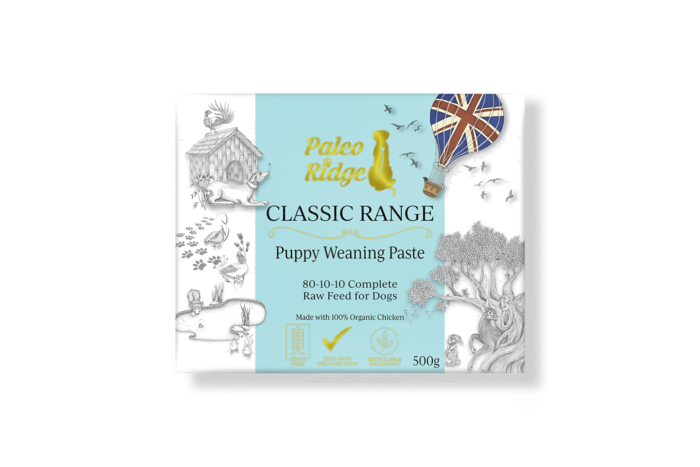
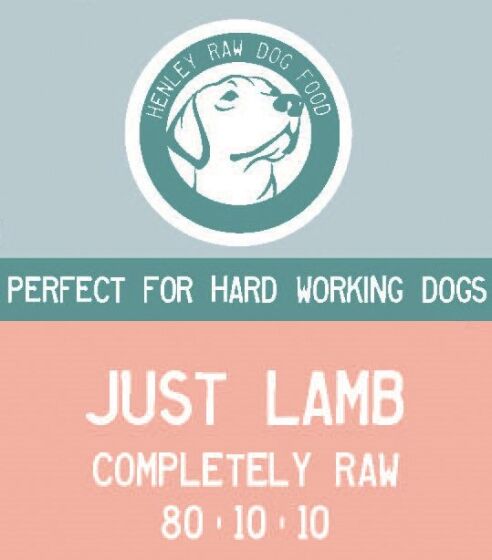
Recommended Food for English Bull Terrier




English Bull Terrier Food Costs
Estimated based on a typical English Bull Terrier weighing around 30 kg, using the food prices shown above.
Per day
£5.22 - £6.68
Per month
£157 - £200
Per year
£1906 - £2437
English Bull Terrier Characteristics
The English Bull Terrier thrives with vigorous daily activity and lots of space to burn off energy and is one of the easier breeds to train. They are well known for being gentle and patient with young children, but manage alone time well enough, though they certainly prefer company. The coat isn't too demanding but does need consistent brushing and sheds at a typical rate for the breed type. This is a very clever breed that benefits from puzzle toys and training to keep their mind busy.
English Bull Terrier Pros & Cons
Pros
- A loyal and deeply affectionate dog that forms strong bonds with their family
- Fun-loving and energetic, making for a lively and entertaining companion
- Adapts to different living environments, with a short, low-maintenance coat
- Intelligent and responsive, picking up training well with the right approach
Cons
- Needs early, consistent training to manage a natural stubborn streak
- Prone to certain inherited health conditions, including deafness and heart disease
- Not the best fit for first-time or inexperienced owners
- Strong prey drive means smaller pets require careful supervision