
English Toy Terrier
The English Toy Terrier is one of Britain's rarest and most distinctive toy breeds, descended from the Manchester Terrier and the smaller black and tan ratting dogs that were popular across northern England during the eighteenth and nineteenth centuries.
Originally bred for competitive rat-killing contests in industrial towns, the smallest and quickest specimens were selectively developed to create an increasingly diminutive variety that eventually became recognised as a separate breed.
3-4kg
Weight
Small
Size
12-14yrs
Lifespan
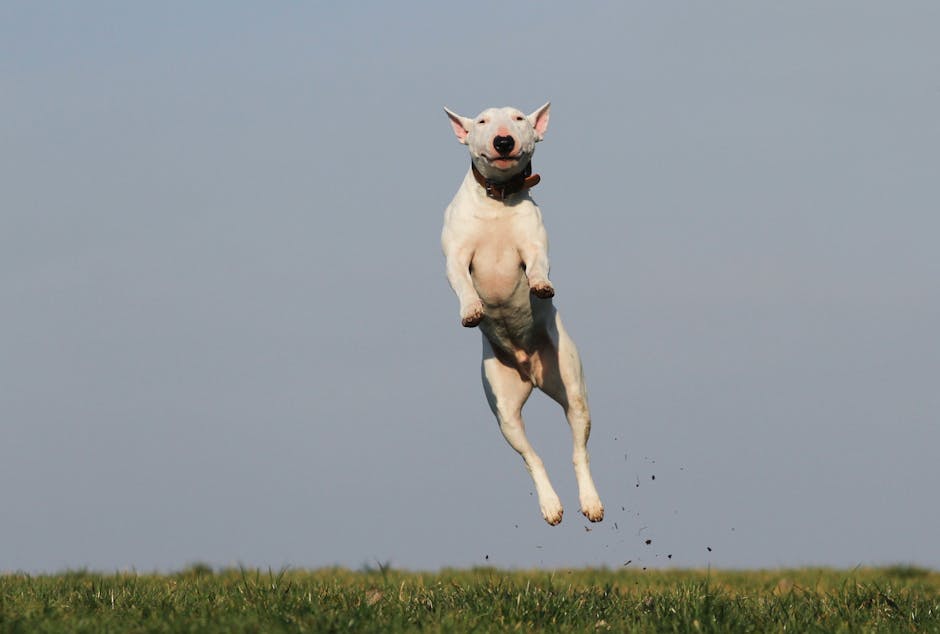
About the English Toy Terrier
Today, standing between 25 and 30 centimetres at the shoulder and weighing just 3–4 kilograms, the English Toy Terrier remains an elegant and refined companion. Its striking black and tan coat, narrow wedge-shaped head, and characteristic candle-flame ears give it a smart, sophisticated appearance that belies its spirited terrier nature. Intelligent, alert and affectionate, this breed bonds closely with its family and makes a surprisingly effective watchdog despite its compact size. The English Toy Terrier is generally good-natured and responsive to training, though it can be reserved with strangers and thrives best in calmer households. Classified as a vulnerable native breed by the Kennel Club, it remains relatively rare, requiring prospective owners to seek out reputable breeders. With moderate exercise needs of up to 30 minutes daily and minimal grooming requirements, the English Toy Terrier can adapt well to various living situations when properly socialised.
English Toy Terrier at a Glance
⚠ Vulnerable Native Breed
The English Toy Terrier is listed as a Vulnerable Native Breed by the Royal Kennel Club, meaning fewer than 300 puppies of this breed are registered each year in the UK. These are British and Irish breeds at risk of disappearing simply because not enough people know they exist. Choosing one of these breeds helps keep an important part of our heritage alive.
- Group
- Toy
- Size
- Small
- Weight
- 3–4 kg
- Height
- 25–30 cm
- Lifespan
- 12–14 years
- Coat
- Short
- Sheds
- Yes
- Exercise
- Up to 30 minutes per day
- Typical price
- £800–£1500
English Toy Terrier Temperament
The English Toy Terrier is an alert, intelligent and affectionate small dog with a loyal and friendly nature. Despite its compact size, it carries itself with the confidence of a true terrier and makes an excellent watchdog, quick to notify its owners of anything unusual. It is not given to aggression and is generally good-natured with family members of all ages. This breed bonds closely with its owners and enjoys being involved in household life. It is sociable and responsive, making it a rewarding breed to train. Its sleek, striking black and tan coat and distinctive candle-flame ears give it a smart, elegant appearance to match its lively and charming personality.
English Toy Terrier Lifestyle
The English Toy Terrier is content in a flat or small apartment and appreciates a small to medium garden to explore. Whether in the city or the countryside, they tend to settle well.
Dog Food for English Toy Terrier
Top-rated foods for Small breeds, ranked by FurScore. How we score →
Recommended Food for English Toy Terrier


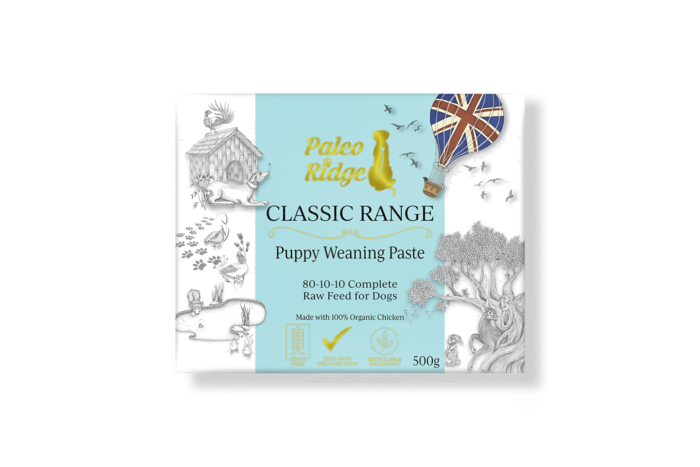



English Toy Terrier Food Costs
Estimated based on a typical English Toy Terrier weighing around 4 kg, using the food prices shown above.
Per day
£1.06 - £1.35
Per month
£32 - £40
Per year
£385 - £493
English Toy Terrier Characteristics
The English Toy Terrier enjoys regular outdoor activity without being overly demanding and is highly trainable and learns new things fast. They are excellent with children of all ages and cope well with periods of time alone. The coat requires moderate grooming effort, nothing excessive and is neither a heavy nor light shedder. This is a very clever breed that benefits from puzzle toys and training to keep their mind busy.
English Toy Terrier Pros & Cons
Pros
- One of the oldest native British toy breeds, with a sleek and elegant appearance
- Highly trainable with a willing and eager-to-please temperament
- Adapts well to both flat and house living
- Short, glossy coat that is very easy to care for
Cons
- Strong prey drive means off-lead time needs careful supervision
- A vulnerable breed with limited availability and often long waiting lists
- Prone to separation anxiety if left alone for too long
- Can become a persistent barker without early training