Field Spaniel
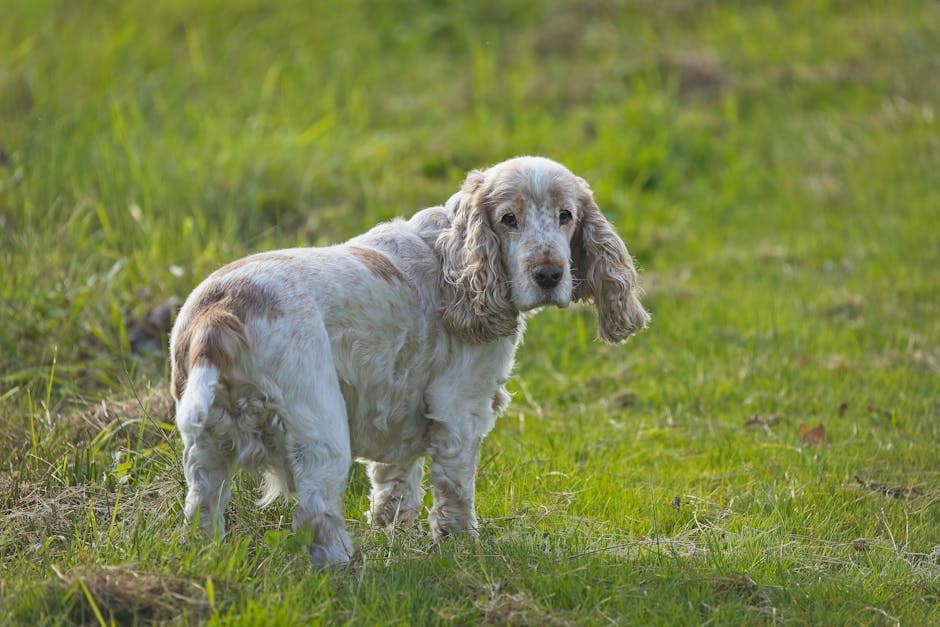
The Field Spaniel is a medium-sized gundog developed in Britain during the nineteenth century, originally bred as a show dog with a distinctive solid-coloured coat.
Early breeding produced dogs with exaggerated features, but the breed was reformed in the twentieth century into the more moderate, functional working spaniel we know today.
18-25kg
Weight
Medium
Size
10-13yrs
Lifespan

About the Field Spaniel
Standing 43–46 centimetres at the shoulder and weighing 18–25 kilograms, the Field Spaniel is a well-proportioned dog with a dense, silky coat in black, liver, golden liver, or roan, sometimes with tan markings. This coat requires regular brushing and the ears need routine cleaning. Temperamentally, the Field Spaniel is a sensitive, affectionate companion that thrives on strong bonds with its family. Intelligent and responsive to patient, consistent training, this eager learner loves being fully involved in family life and generally gets on well with children and other dogs. The breed needs more than two hours of daily exercise and mental stimulation to prevent boredom and destructive behaviour. Its adaptability and enthusiasm for travel make it an excellent partner for active families. With a lifespan of 10–13 years, the Field Spaniel remains one of the rarer spaniel breeds, classified as vulnerable native by the Kennel Club, making responsible breeders worth seeking out.
Field Spaniel at a Glance
⚠ Vulnerable Native Breed
The Field Spaniel is listed as a Vulnerable Native Breed by the Royal Kennel Club, meaning fewer than 300 puppies of this breed are registered each year in the UK. These are British and Irish breeds at risk of disappearing simply because not enough people know they exist. Choosing one of these breeds helps keep an important part of our heritage alive.
- Group
- Gundog
- Size
- Medium
- Weight
- 18–25 kg
- Height
- 43–46 cm
- Lifespan
- 10–13 years
- Coat
- Medium
- Sheds
- Yes
- Exercise
- More than 2 hours per day
- Typical price
- £800–£1500
Field Spaniel Temperament
The Field Spaniel is an active, sensitive and loving breed that thrives when fully involved in family life. It forms strong emotional bonds with its owners and dislikes being left alone for long periods, which can lead to boredom and destructive behaviour if its energy is not properly channelled. Inquisitive and full of enthusiasm, the Field Spaniel needs plenty of daily exercise and mental stimulation. It responds well to firm, consistent training and is an eager learner when handled with patience and kindness. Generally good with children and other dogs, it is a devoted and affectionate companion. Its love of travel and car journeys makes it an adaptable partner for active families.
Field Spaniel Lifestyle
The Field Spaniel is well suited to a smaller house and suits a home with a large garden where they can roam freely. They are equally happy in town or country.
Dog Food for Field Spaniel
Top-rated foods for Medium breeds, ranked by FurScore. How we score →
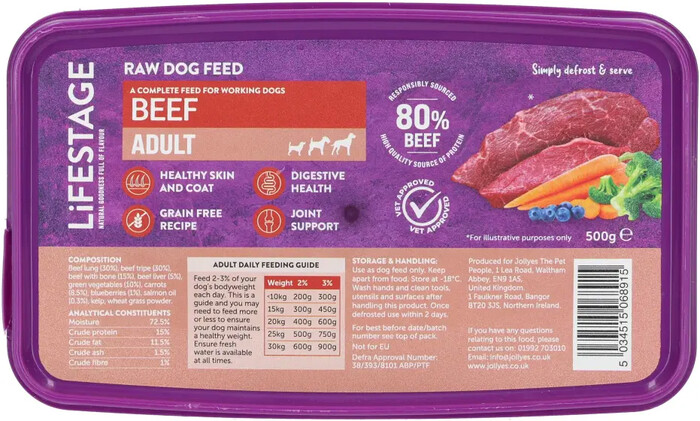
Recommended Food for Field Spaniel





Field Spaniel Food Costs
Estimated based on a typical Field Spaniel weighing around 22 kg, using the food prices shown above.
Per day
£4.12 - £5.27
Per month
£124 - £158
Per year
£1504 - £1923
Field Spaniel Characteristics
The Field Spaniel is built for activity and needs owners who can keep up and is a quick learner and a pleasure to train. They are well known for being gentle and patient with young children, but don't need constant company, though they do enjoy being around people. The coat doesn't need daily attention but benefits from regular grooming and produces a reasonable amount of loose hair. This is a very clever breed that benefits from puzzle toys and training to keep their mind busy.
Field Spaniel Pros & Cons
Pros
- Loyal and affectionate by nature, forming strong and lasting bonds with their family
- Gentle and patient with children of all ages
- A low-shedding, glossy coat that turns heads in the park
- Responds well to consistent, positive reward-based training
Cons
- Coat needs regular brushing and professional attention every six to eight weeks
- Prone to separation anxiety when left alone for extended periods
- Benefits from an experienced owner, as they can show a stubborn streak
- Needs a good amount of daily exercise and mental stimulation to stay happy