Flat coated Retriever
The Flat Coated Retriever is an enduringly enthusiastic gundog breed developed in Britain during the mid-nineteenth century.
Created by crossing the St John's Dog from Newfoundland with Collies and possibly Setters and Spaniels, this breed became one of the earliest formally developed retrievers and was exceptionally popular during the Victorian era.
25-34kg
Weight
Medium
Size
12-14yrs
Lifespan
About the Flat coated Retriever
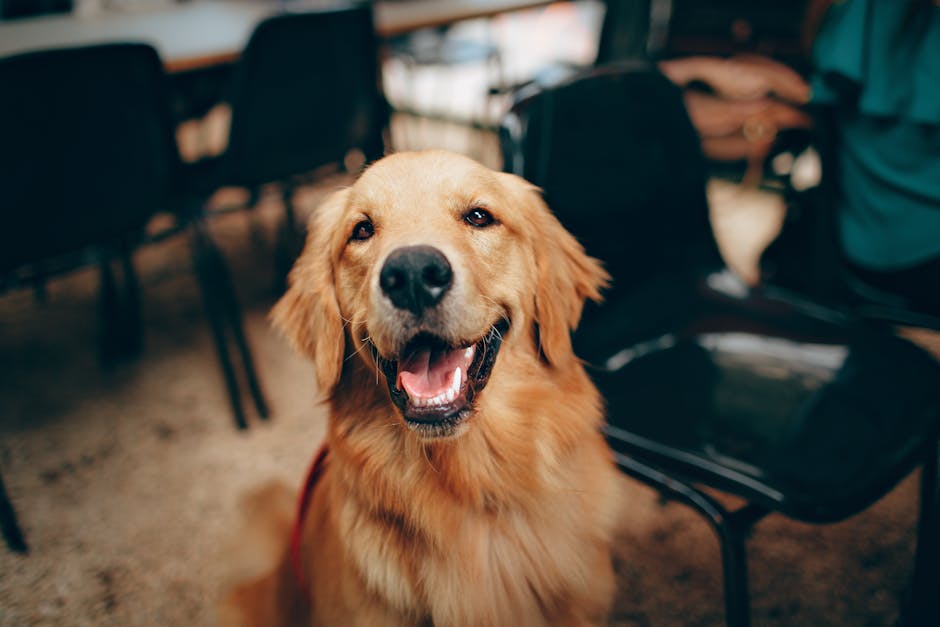
Standing 51–61 centimetres at the shoulder and weighing 25–34 kilograms, the Flat Coat is a well-built, active dog with a distinctive dense, flat-lying coat in solid black or liver. Long feathering on the ears, chest, tail and legs, combined with an expression of intelligent alertness, gives the breed its characteristic appearance. The coat requires regular brushing and does shed throughout the year. Flat Coated Retrievers are celebrated for their exuberant, optimistic temperament and exceptionally slow maturity, earning them the nickname "Peter Pan of the dog world" for retaining puppy-like energy well into adulthood. Deeply affectionate and sociable, they are excellent with children and thrive on companionship. These loyal dogs require up to an hour of daily exercise and mental stimulation, and they respond excellently to positive training methods. They are not naturally inclined to guard duties, though they will alert their owners to visitors. Prospective owners should be prepared for a devoted, high-energy companion that does not do well when left alone for extended periods.
Flat coated Retriever at a Glance
- Group
- Gundog
- Size
- Medium
- Weight
- 25–34 kg
- Height
- 51–61 cm
- Lifespan
- 12–14 years
- Coat
- Medium
- Sheds
- Yes
- Exercise
- Up to 1 hour per day
- Typical price
- £1100–£1800
Flat coated Retriever Temperament
The Flat Coated Retriever is often described as the canine Peter Pan, retaining its puppy-like enthusiasm and playful spirit well into old age. It is a sociable, kind and loving breed that is completely trustworthy with children, though supervision is sensible around very young puppies. This breed demands companionship and does not do well when left alone for long periods. It is not a guard dog by nature, though it will bark to alert owners of visitors. The Flat Coated Retriever is an active breed that requires plenty of daily exercise and enjoys having a job to do. It is loyal, willing and responds excellently to positive training methods.
Flat coated Retriever Lifestyle
The Flat coated Retriever suits a modest-sized house and appreciates a small to medium garden to explore. Whether in the city or the countryside, they tend to settle well.
Dog Food for Flat coated Retriever
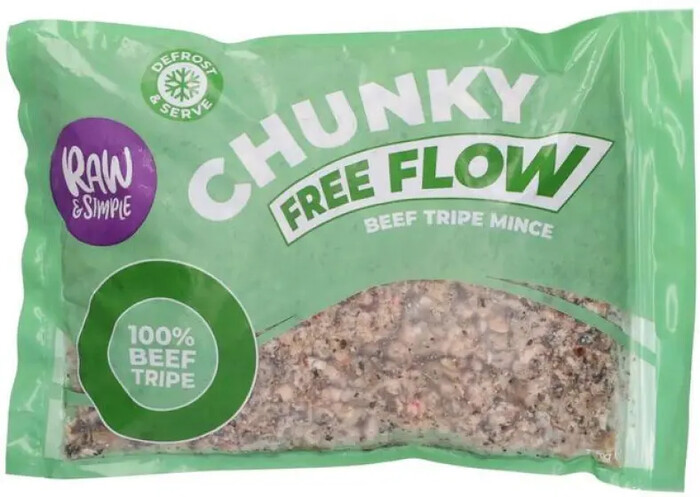
Top-rated foods for Medium breeds, ranked by FurScore. How we score →
Recommended Food for Flat coated Retriever
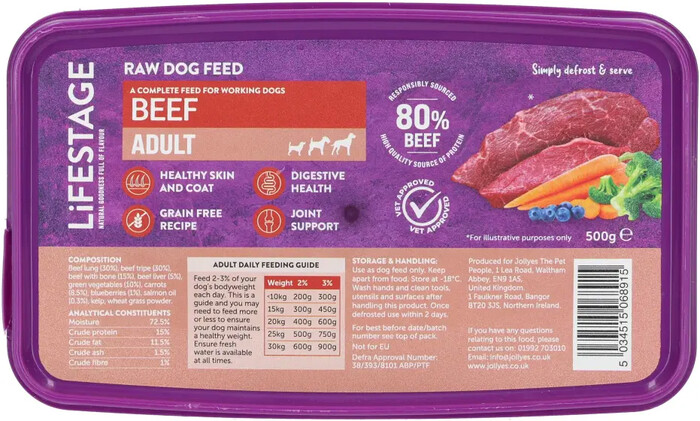
Flat coated Retriever Food Costs
Estimated based on a typical Flat coated Retriever weighing around 30 kg, using the food prices shown above.
Per day
£5.22 - £6.68
Per month
£157 - £200
Per year
£1906 - £2437
Flat coated Retriever Characteristics
The Flat coated Retriever requires a great deal of exercise and does best with an active owner and is easy to train. They are excellent with children of all ages, but can be left for short to moderate periods without issue. The coat is fairly easy to maintain with regular brushing and sheds at a fairly average rate. This is a very clever breed that benefits from puzzle toys and training to keep their mind busy.
Flat coated Retriever Pros & Cons
Pros
- Highly trainable, with a keen intelligence and a great response to positive methods
- Deeply social and affectionate, thriving on human interaction and family life
- Good with children of all ages with appropriate supervision
- Versatile and sporty, doing well in agility, obedience, and other canine activities
Cons
- Coat needs daily brushing to prevent tangles and matting
- High exercise and mental stimulation needs that require a genuine commitment from their owner
- Prone to separation anxiety if left alone for extended periods
- Slow to mature, often staying playful and puppy-like well into their senior years