German Shorthaired Pointer
The German Shorthaired Pointer is a highly versatile gundog developed in Germany during the nineteenth century, created by crossing various pointing breeds with hounds and the English Pointer.
This breeding programme produced an exceptional all-purpose hunting dog capable of pointing, flushing and retrieving game across diverse terrain, and the breed remains one of Europe and North America's most popular working gundogs.
25-34kg
Weight
Large
Size
12-14yrs
Lifespan
About the German Shorthaired Pointer
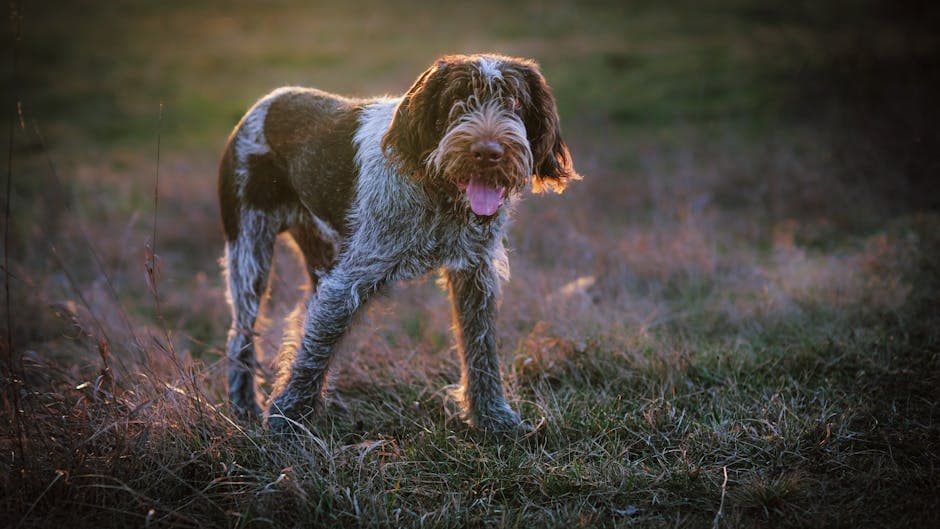
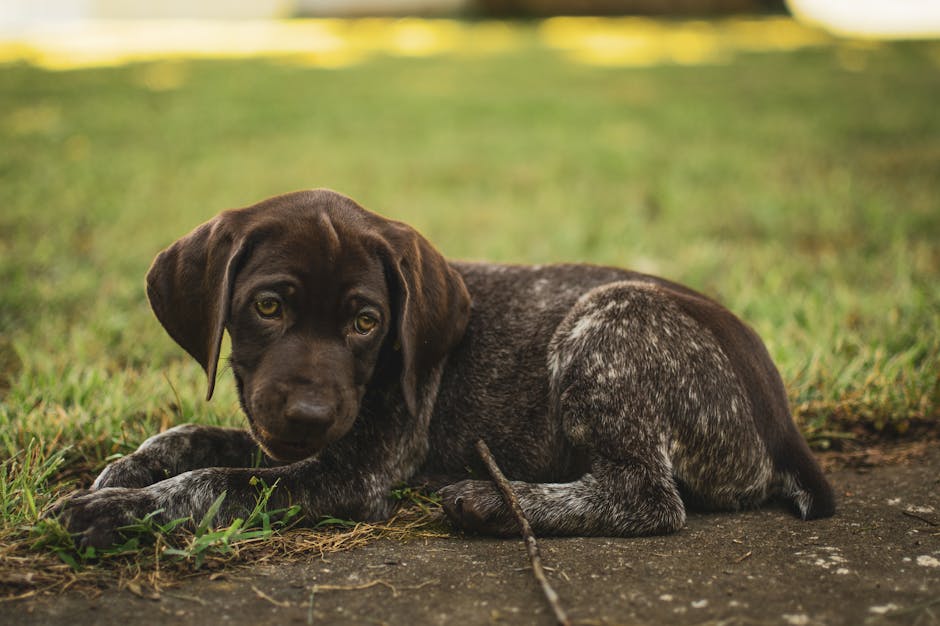
Physically, the German Shorthaired Pointer is a lean, well-muscled dog standing 51–61 cm tall and weighing 25–34 kg. Its distinctive short, dense coat is water-resistant and typically liver, liver and white, black or black and white, often with attractive ticked or roan markings. Temperamentally, this is an intelligent, gentle breed that forms warm bonds with family members and is particularly good with children. German Shorthaired Pointers are eager to please and respond well to patient, consistent training. However, they are exceptionally energetic dogs requiring more than two hours of daily exercise and substantial mental stimulation. Without sufficient activity, the breed can become restless and destructive. This is a dog best suited to active, outdoor-oriented families who can provide the vigorous daily exercise this talented working breed genuinely requires.
German Shorthaired Pointer at a Glance
- Group
- Gundog
- Size
- Large
- Weight
- 25–34 kg
- Height
- 51–61 cm
- Lifespan
- 12–14 years
- Coat
- Short
- Sheds
- Yes
- Exercise
- More than 2 hours per day
- Typical price
- £800–£1500
German Shorthaired Pointer Temperament
The German Shorthaired Pointer is a gentle, active and highly intelligent breed that thrives on human company. It is particularly good with children, forming warm and affectionate bonds with family members of all ages. Eager to please and quick to learn, it responds well to obedience training when approached with patience and consistency. This is an energetic breed that requires plenty of daily exercise and mental stimulation to stay happy and well-behaved. It can be restless or destructive if under-exercised or left alone for too long. Its versatility as both a working gundog and a devoted companion makes it a popular choice for active families who enjoy spending time outdoors.
German Shorthaired Pointer Lifestyle
The German Shorthaired Pointer does best with plenty of indoor space and suits a home with a large garden where they can roam freely. They are happiest in a more rural environment.
Dog Food for German Shorthaired Pointer
Top-rated foods for Large breeds, ranked by FurScore. How we score →
Recommended Food for German Shorthaired Pointer
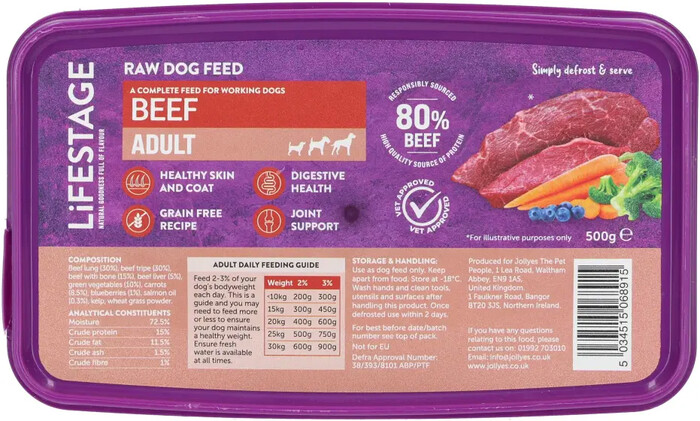

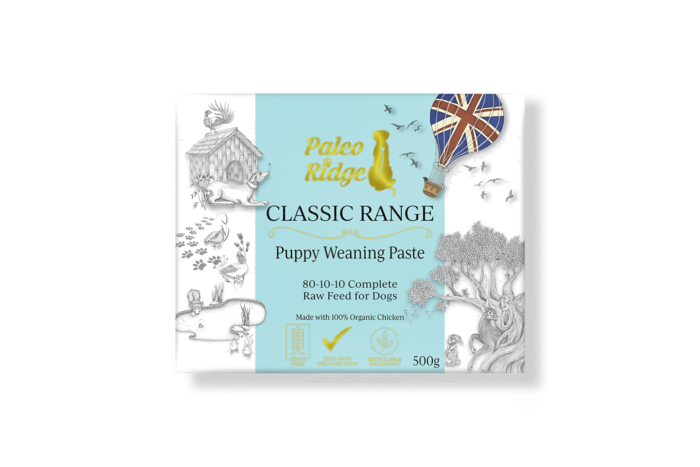



German Shorthaired Pointer Food Costs
Estimated based on a typical German Shorthaired Pointer weighing around 30 kg, using the food prices shown above.
Per day
£5.22 - £6.68
Per month
£157 - £200
Per year
£1906 - £2437
German Shorthaired Pointer Characteristics
The German Shorthaired Pointer requires significant daily exercise and outdoor time and picks up commands quickly and responds well to training. They are brilliant with children, but can be left alone without too much trouble if their needs are met. The coat isn't too demanding but does need consistent brushing and leaves some hair around the home but isn't excessive. They are a highly intelligent breed that needs mental stimulation as well as physical exercise.
German Shorthaired Pointer Pros & Cons
Pros
- Highly intelligent and quick to learn, doing well in obedience and working roles
- A versatile hunting dog skilled at both pointing and retrieving on land and in water
- Strongly bonded and loyal to their owners, thriving in an active, outdoor-focused home
- Good with older children, sociable and patient when properly socialised
Cons
- Not recommended for first-time owners given their high energy and training demands
- Needs significant daily exercise and mental stimulation to stay well-behaved
- Slow to mature, often keeping puppy energy levels well into their second year
- Prone to separation anxiety when left alone, with the potential for destructive behaviour