Griffon Bruxellois
The Griffon Bruxellois, also known as the Brussels Griffon, is a small and characterful toy breed that originated in Belgium during the nineteenth century.
Developed by crossing local street dogs with imported toy breeds such as the Pug and King Charles Spaniel, the Griffon was originally kept by Belgian coachmen to hunt rats in stables.
4-5kg
Weight
Small
Size
13-15yrs
Lifespan
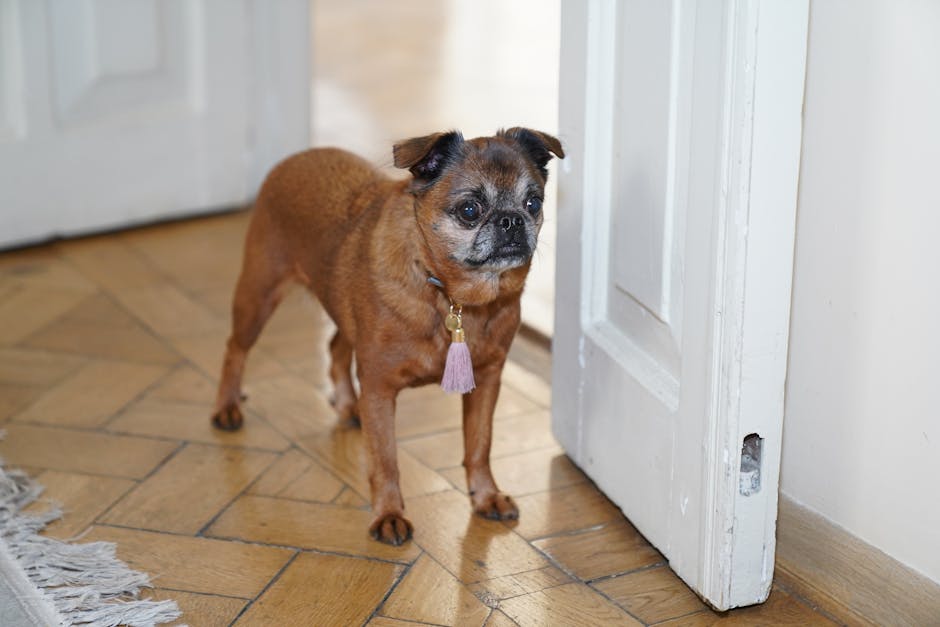
About the Griffon Bruxellois
The breed's fortunes changed when it caught the attention of Queen Marie Henriette of Belgium, whose patronage elevated it from working dog to fashionable companion. Today, the Griffon is recognised in three coat varieties: rough-coated, smooth-coated (Petit Brabancon), and wire-coated, all featuring the breed's distinctive pushed-in face and large, expressive eyes. Standing just 18–20 centimetres at the shoulder and weighing 4–5 kilograms, this small dog is surprisingly sturdy and robust. The Griffon Bruxellois possesses genuine terrier instincts combined with a warm, affectionate nature and strong personality. It is a devoted companion that thrives on human interaction and adapts well to its household's energy levels. Early socialisation is recommended to build confidence with strangers. Highly trainable, many Griffons have achieved obedience and agility titles. For owners who appreciate this characterful breed's unique charm, the Griffon makes an exceptionally rewarding companion.
Griffon Bruxellois at a Glance
- Group
- Toy
- Size
- Small
- Weight
- 4–5 kg
- Height
- 18–20 cm
- Lifespan
- 13–15 years
- Coat
- Medium
- Sheds
- Yes
- Exercise
- Up to 30 minutes per day
- Typical price
- £1000–£1900
Griffon Bruxellois Temperament
The Griffon Bruxellois is a small dog with genuine terrier instincts, a strong personality and an endearing, affectionate nature that wins over everyone it meets. Its arrogant expression belies a warm, sociable and loving disposition, and it is very much a companion dog that thrives on human interaction. The Griffon is adaptable and takes on the energy of its household: lively and playful with children, or calm and devoted with quieter owners. It is highly trainable and many individuals have achieved obedience and agility titles. Early socialisation is recommended to ensure confidence around strangers. This characterful little dog makes an exceptionally rewarding companion for those who appreciate its unique charm.
Griffon Bruxellois Lifestyle
The Griffon Bruxellois adapts well to flat living and doesn't need a large home and is happy with a small or medium-sized outdoor space. They are versatile and do well in both city and countryside settings.
Dog Food for Griffon Bruxellois
Top-rated foods for Small breeds, ranked by FurScore. How we score →
Recommended Food for Griffon Bruxellois
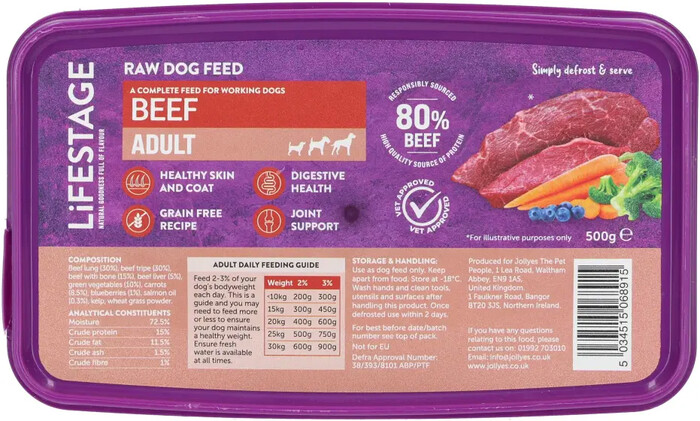

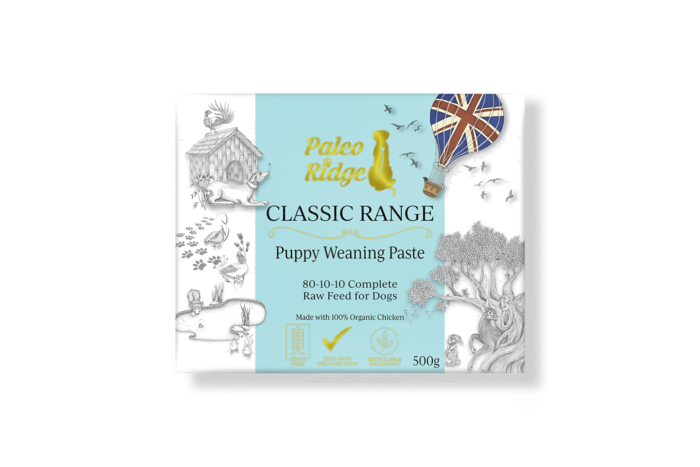
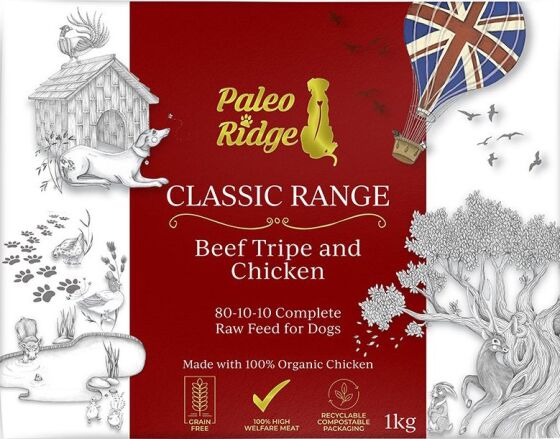

Griffon Bruxellois Food Costs
Estimated based on a typical Griffon Bruxellois weighing around 5 kg, using the food prices shown above.
Per day
£1.27 - £1.63
Per month
£38 - £49
Per year
£465 - £595
Griffon Bruxellois Characteristics
The Griffon Bruxellois does well with a couple of good walks a day and is one of the easier breeds to train. They are well known for being gentle and patient with young children and manage alone time well with the right routine in place. The coat isn't too demanding but does need consistent brushing and sheds at a typical rate for the breed type. This is a very clever breed that benefits from puzzle toys and training to keep their mind busy.
Griffon Bruxellois Pros & Cons
Pros
- Lively and affectionate, forming close bonds with their family
- Natural watchdog instincts that punch well above their small size
- Adapts well to flat or country living
- Smooth coats are very easy to maintain, and rough coats are manageable with regular attention
Cons
- Prone to separation anxiety and needs plenty of company throughout the day
- Can be vocal and stubborn without clear, consistent training from the start
- High prey drive means they need secure containment outdoors
- Brachycephalic structure can lead to breathing difficulties, particularly in hot weather