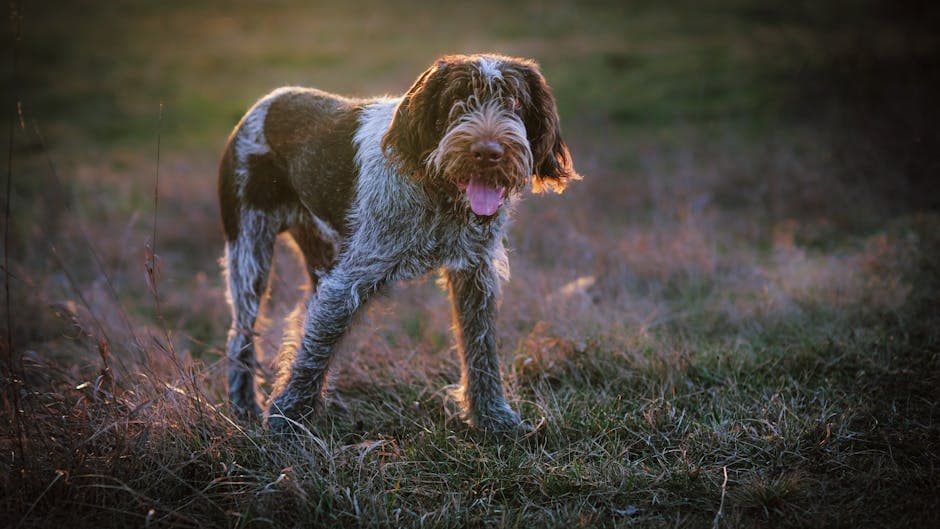
Irish Setter
The Irish Setter is one of Ireland's most celebrated gundog breeds, developed during the eighteenth century for hunting game birds across varied countryside terrain.
Originally appearing in red and white varieties, the all-red coat became dominant in the nineteenth century and remains the breed standard today.
25-34kg
Weight
Large
Size
12-14yrs
Lifespan

About the Irish Setter
These large, elegant dogs stand 51–61 centimetres at the shoulder and weigh 25–34 kilograms, with a distinctive mahogany or chestnut-red silky coat featuring light feathering on the ears, chest, legs and tail. Regular brushing is essential to maintain their coat's condition and prevent matgling. Irish Setters are renowned for their joyful, affectionate and sometimes mischievous temperament, retaining an almost puppy-like enthusiasm throughout their lives. They form strong bonds with their families, including children, and are naturally sociable with other dogs. These high-spirited companions require more than two hours of vigorous daily exercise and benefit from training that engages their considerable intelligence. Their independent nature can make them seem scattered at times, but they are never shy or hostile. The breed's stable, friendly disposition makes it a reliably good-natured family companion. Irish Setters thrive best with active, outdoor-oriented owners who can provide ample space, consistent training and the substantial daily exercise these energetic dogs need to reach their full potential as loving, spirited companions.
Irish Setter at a Glance
- Group
- Gundog
- Size
- Large
- Weight
- 25–34 kg
- Height
- 51–61 cm
- Lifespan
- 12–14 years
- Coat
- Medium
- Sheds
- Yes
- Exercise
- More than 2 hours per day
- Typical price
- £1000–£1800
Irish Setter Temperament
The Irish Setter is a beautiful, high-spirited and outgoing breed with a rollicking personality and a warm, sweet-natured temperament. It is affectionate and playful with its family, forming close bonds with adults and children alike. Independent by nature, the Irish Setter can be a little scattered at times, but it is never shy or hostile, and its stable, friendly disposition makes it a reliably good-natured companion. It is an active breed that requires plenty of vigorous daily exercise and benefits from training that engages its intelligence. Socialisation from an early age helps to channel its enthusiasm appropriately. With the right owner, the Irish Setter is a joyful, loving and spirited dog.
Irish Setter Lifestyle
The Irish Setter is best matched to a larger house with room to roam and needs a good-sized, secure garden. They are versatile and do well in both city and countryside settings.
Dog Food for Irish Setter
Top-rated foods for Large breeds, ranked by FurScore. How we score →
Recommended Food for Irish Setter





Irish Setter Food Costs
Estimated based on a typical Irish Setter weighing around 30 kg, using the food prices shown above.
Per day
£5.22 - £6.68
Per month
£157 - £200
Per year
£1906 - £2437
Irish Setter Characteristics
The Irish Setter requires significant daily exercise and outdoor time and picks up commands quickly and responds well to training. They are brilliant with children, but can be left alone without too much trouble if their needs are met. The coat isn't too demanding but does need consistent brushing and leaves some hair around the home but isn't excessive. They are a highly intelligent breed that needs mental stimulation as well as physical exercise.
Irish Setter Pros & Cons
Pros
- Striking rich chestnut coat and an elegant, athletic build that turns heads on every walk
- Deeply affectionate and sociable, bonding warmly with the whole family and other pets
- Responds well to gentle, positive training and genuinely enjoys learning
- Retains a playful, puppy-like spirit well into their adult years
Cons
- Needs a solid daily exercise session, plus mental stimulation to match
- Their beautiful coat requires regular and fairly time-consuming grooming
- A stubborn streak can surface, so consistent training from the start matters
- Left alone too often, they can become anxious and unsettled