Japanese Chin
The Japanese Chin is a charming toy breed with a fascinating history.
Though named after Japan, the breed is believed to have originated in China before becoming a treasured companion at the Japanese imperial court for centuries.
2-3kg
Weight
Small
Size
12-14yrs
Lifespan
About the Japanese Chin
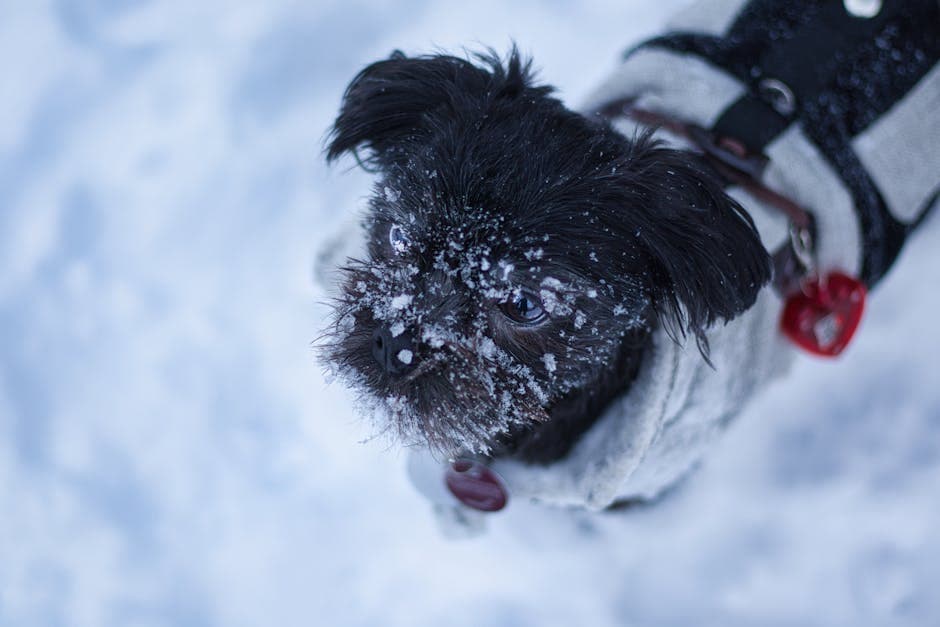
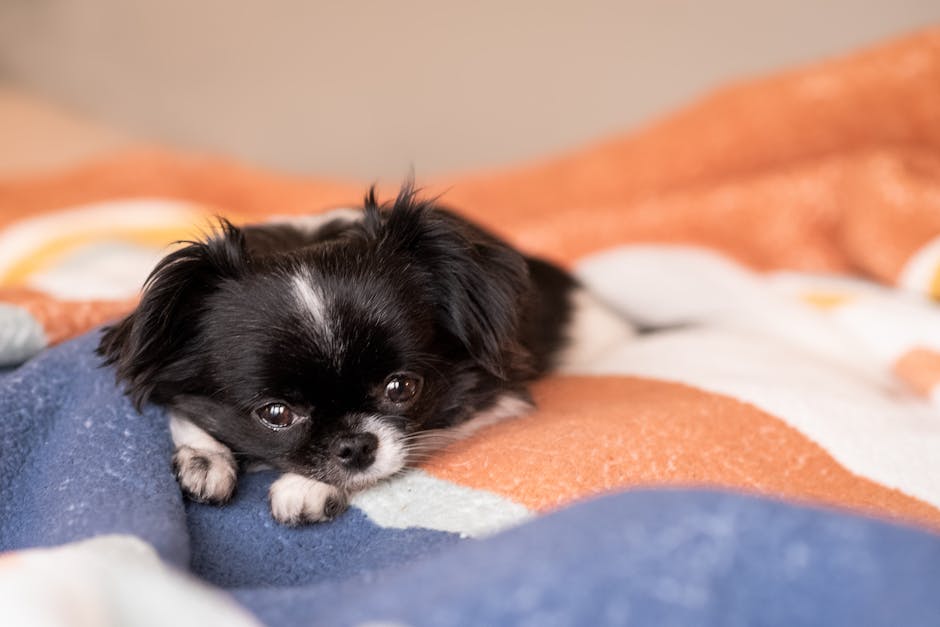
Western audiences were introduced to the breed in the mid-19th century, and it quickly gained popularity amongst European and American society. Today, it remains an enchanting choice for those seeking a devoted small companion. Weighing just 2–3 kilograms and standing 18–28 centimetres tall, the Japanese Chin is a well-proportioned dog with distinctive features including a broad, domed head and large, dark eyes. Its silky coat, typically black and white or red and white, requires regular brushing to maintain its condition. Remarkably cat-like in character, the breed is known for grooming itself fastidiously and enjoying perching on high surfaces to observe its surroundings. In temperament, the Japanese Chin is exceptionally gentle, intelligent and affectionate. It bonds closely with its family whilst remaining calm and adaptable to various lifestyles. Requiring only up to 30 minutes of daily exercise, this breed is equally content on a lap or playing gently indoors. Whilst initially reserved with strangers, it warms quickly in relaxed settings. The Japanese Chin thrives on companionship and makes an ideal pet for patient, gentle owners seeking a refined and loving family friend.
Japanese Chin at a Glance
- Group
- Toy
- Size
- Small
- Weight
- 2–3 kg
- Height
- 18–28 cm
- Lifespan
- 12–14 years
- Coat
- Medium
- Sheds
- Yes
- Exercise
- Up to 30 minutes per day
- Typical price
- £800–£1500
Japanese Chin Temperament
The Japanese Chin is a cheerful, intelligent and gentle little dog with an affectionate nature and a naturally calm disposition. It is equally happy resting quietly on its owner's lap or engaging in a lively game, making it a wonderfully adaptable companion for a range of lifestyles. The Chin bonds closely with its family and is generally good with children and other pets when introduced respectfully. It can be somewhat reserved with strangers at first but warms up quickly in a relaxed environment. Intelligent and perceptive, it responds well to gentle training and seems almost cat-like in its cleanliness and grace. This is a devoted and endearing breed that thrives on companionship and affection.
Japanese Chin Lifestyle
The Japanese Chin is one of the more adaptable breeds when it comes to home size and copes well in a flat and does well with some outdoor space, even if it isn't large. Whether in the city or the countryside, they tend to settle well.
Dog Food for Japanese Chin
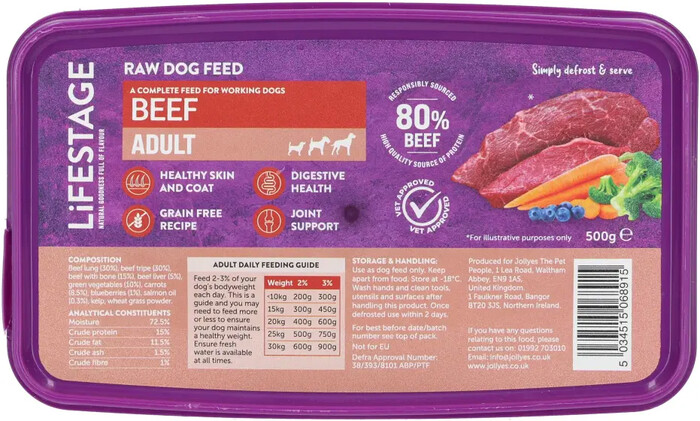
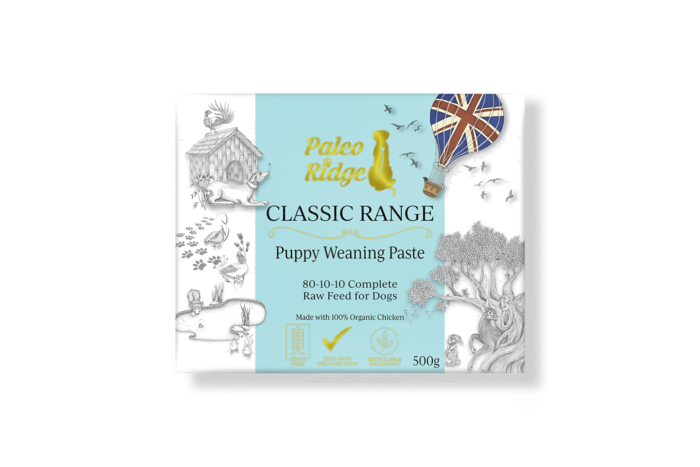
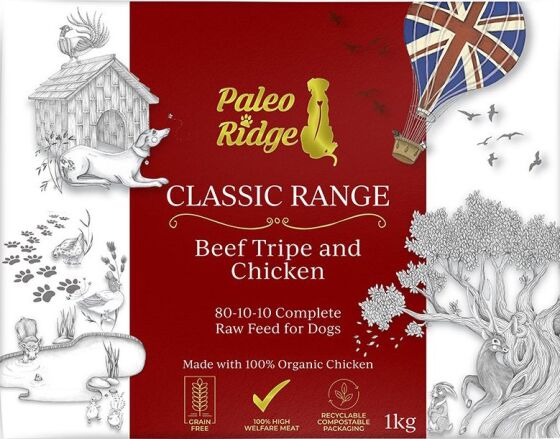
Top-rated foods for Small breeds, ranked by FurScore. How we score →
Recommended Food for Japanese Chin


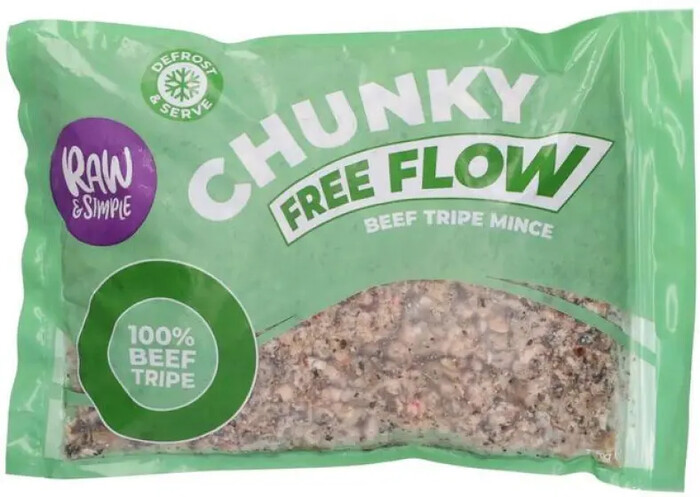
Japanese Chin Food Costs
Estimated based on a typical Japanese Chin weighing around 3 kg, using the food prices shown above.
Per day
£0.82 - £1.05
Per month
£25 - £31
Per year
£299 - £383
Japanese Chin Characteristics
The Japanese Chin needs regular exercise but isn't as demanding as some breeds and trains well and tends to enjoy learning new skills. They are very patient and gentle with kids and handle being left alone without much difficulty. The coat benefits from a brush once or twice a week and sheds moderately. They are sharp and quick-witted, which is a joy, but means they need keeping mentally occupied.
Japanese Chin Pros & Cons
Pros
- Exceptionally affectionate and loyal, forming deep bonds with their family
- Adapts well to both apartment living and more spacious homes
- Charming cat-like grooming habits and a personality full of quiet character
- Moderate exercise and grooming needs that suit owners with a busier lifestyle
Cons
- Prone to separation anxiety and becomes distressed when left alone too often
- A stubborn streak can make house training a slower process than expected
- Strong prey drive means off-lead time requires careful supervision
- Sensitive by nature, requiring gentle and patient handling throughout training