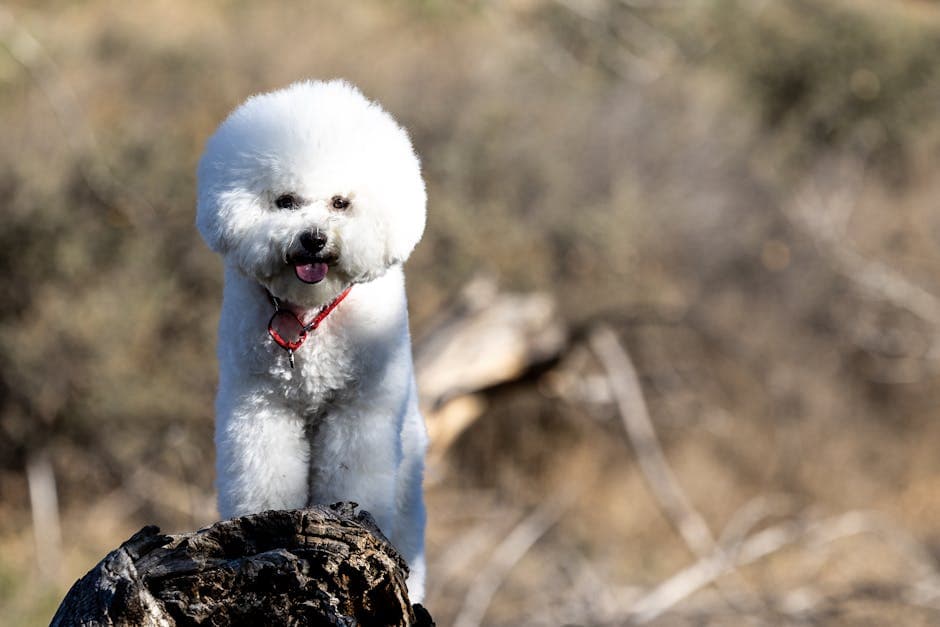
King Charles Spaniel
The King Charles Spaniel is a small companion breed with deep roots in British royal history, particularly favoured during the Tudor and Stuart periods.
The breed takes its name from King Charles II, who was rarely seen without his beloved toy spaniels.
4-6kg
Weight
Small
Size
12-14yrs
Lifespan

About the King Charles Spaniel
Over centuries, selective breeding introduced the distinctive domed skull and shortened muzzle that define the modern King Charles Spaniel, setting it apart from the longer-nosed Cavalier King Charles Spaniel. Standing 23–28 centimetres tall and weighing just 4–6 kg, this compact toy dog features a silky, medium-length coat in four recognised colour combinations: Blenheim, tricolour, ruby, and black and tan. Temperament-wise, the King Charles Spaniel is a confident and affectionate companion with a genuine love of human company. These intelligent, perceptive dogs quickly adapt to their household's rhythms and enjoy being at the centre of family life. Generally good with children and other pets, they delight in companionship and thrive on devoted attention. With exercise needs of just 30 minutes daily, they are equally content on a good walk or relaxing indoors. Early training and socialisation help develop their naturally charming nature. Their small size and adaptable temperament make them suitable for various living environments, provided owners can commit to the warm, interactive relationship this spirited breed requires.
King Charles Spaniel at a Glance
⚠ Vulnerable Native Breed
The King Charles Spaniel is listed as a Vulnerable Native Breed by the Royal Kennel Club, meaning fewer than 300 puppies of this breed are registered each year in the UK. These are British and Irish breeds at risk of disappearing simply because not enough people know they exist. Choosing one of these breeds helps keep an important part of our heritage alive.
- Group
- Toy
- Size
- Small
- Weight
- 4–6 kg
- Height
- 23–28 cm
- Lifespan
- 12–14 years
- Coat
- Medium
- Sheds
- Yes
- Exercise
- Up to 30 minutes per day
- Origin
- Great Britain
- Colours
- Black and Beige, Tricolour, Blenheim
- Typical price
- £800–£1500
King Charles Spaniel Temperament
The King Charles Spaniel is a confident, outgoing and affectionate breed with a strong personality and a genuine love of human company. It is intelligent and perceptive, quickly learning the rhythms of its household and asserting its own presence within the family dynamic. The breed delights in being fussed over and is affectionate and warm with those it loves. It is generally good with children and other pets, and its compact size makes it suitable for a variety of living environments. While it enjoys a good walk, the King Charles Spaniel is equally content as an indoor companion. Early training and socialisation help to ensure this spirited little dog grows into a well-mannered and charming companion.
King Charles Spaniel Lifestyle
The King Charles Spaniel can live happily in a flat or apartment and is well suited to a home with a small to medium garden. They are comfortable in either a town or rural environment.
Dog Food for King Charles Spaniel
Top-rated foods for Small breeds, ranked by FurScore. How we score →
Nutrition & Diet
Cavaliers are not too picky when it comes to food, some would even say they have a great appetite. Dogs of this breed can easily adapt to new living conditions, so a diet change should not be to big of an issue. Both wet and dry food can work great for a dog of this breed. Always remember to pick the right formula for your dog’s age and size. Cavalier King Charles Spaniel is classified as a small dog breed – Adult .
Recommended Food for King Charles Spaniel
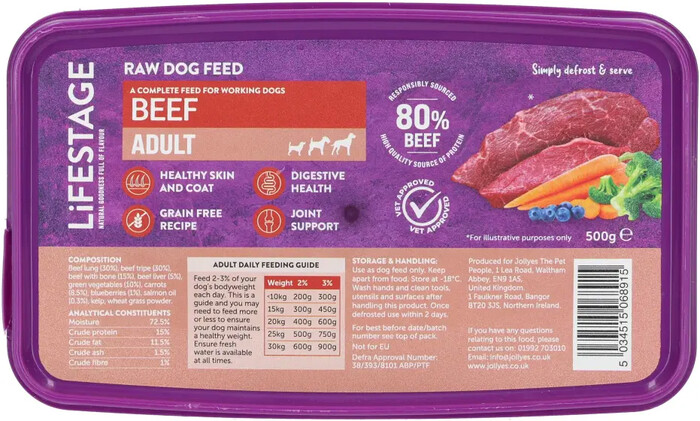

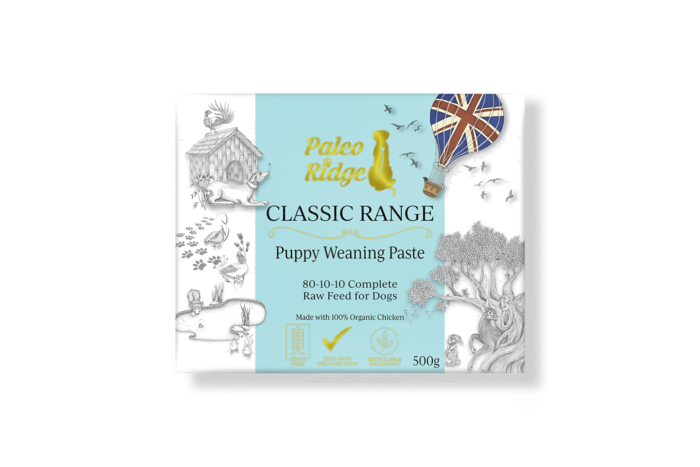

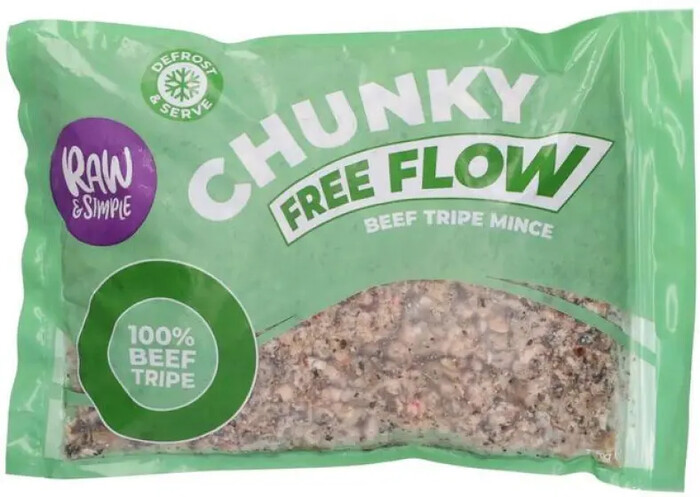
King Charles Spaniel Food Costs
Estimated based on a typical King Charles Spaniel weighing around 5 kg, using the food prices shown above.
Per day
£1.38 - £1.76
Per month
£41 - £53
Per year
£504 - £644
King Charles Spaniel Characteristics
The King Charles Spaniel needs regular exercise but isn't as demanding as some breeds and responds brilliantly to positive reinforcement. They are incredibly tolerant of the rough-and-tumble nature of family life, but are okay left alone for a few hours at a time. The coat requires moderate grooming effort, nothing excessive and sheds moderately. Intelligence is a real hallmark of this breed, and they do best with plenty of mental enrichment alongside exercise.
King Charles Spaniel Pros & Cons
Pros
- Calm, affectionate, and deeply loyal, they are wonderful everyday companions
- Eager to please and responsive to positive, consistent training
- Naturally gentle and patient with children of all ages
- Adapts well to apartment life, with moderate exercise needs that are easy to meet
Cons
- Their silky coat needs professional grooming every six to eight weeks to stay healthy
- Moderate shedding, particularly noticeable during spring and autumn
- Prone to separation anxiety when left alone for extended periods
- Genetically predisposed to a number of inheritable health conditions that need careful monitoring