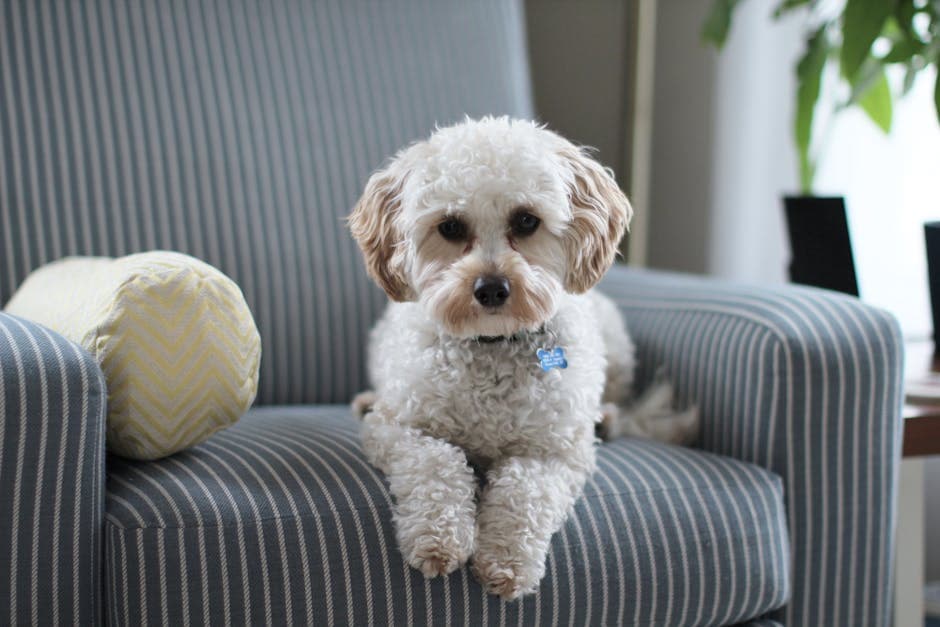
Labradoodle
The Labradoodle is one of the world's most popular hybrid breeds, created in Australia when Wally Conron crossed a Labrador Retriever with a Standard Poodle to develop a guide dog suitable for people with allergies.
The breed quickly captured public imagination and remains highly sought-after as a family companion.
20-30kg
Weight
12-15yrs
Lifespan
About the Labradoodle
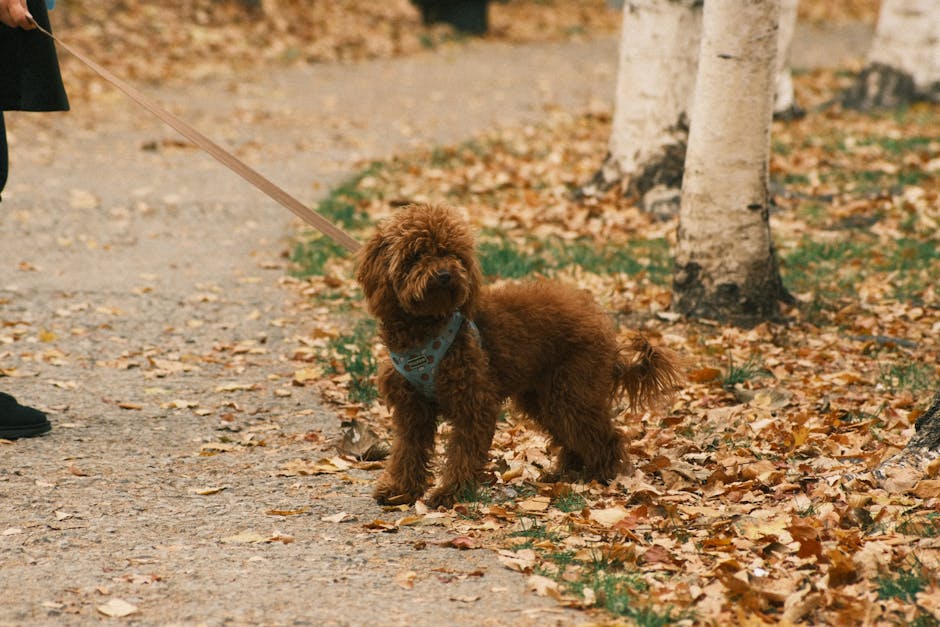
Labradoodles typically stand 51–61 centimetres at the shoulder and weigh 20–30 kilograms, though size varies depending on which Poodle size is used in breeding. Their coat ranges from wavy to curly, comes in numerous colours, and generally sheds less than a purebred Labrador, though this varies between individuals. In temperament, Labradoodles inherit the Labrador's friendly, enthusiastic nature combined with the Poodle's intelligence and trainability, creating a responsive and engaging companion. These are energetic dogs requiring substantial daily exercise and mental stimulation to thrive. Their sociable disposition makes them excellent family pets for active households. However, prospective owners should be aware that the breed's popularity has led to irresponsible breeding practices. Researching reputable breeders who conduct thorough health testing of parent animals is essential when considering a Labradoodle, ensuring you welcome a healthy, well-bred dog into your home.
Labradoodle at a Glance
- Group
- Hybrid
- Weight
- 20–30 kg
- Height
- 51–61 cm
- Lifespan
- 12–15 years
- Typical price
- £600–£1500
Labradoodle Characteristics
The Labradoodle demands serious exercise and won't be happy with a quick stroll around the block and trains well and tends to enjoy learning new skills. They are very patient and gentle with kids, but can be left for short to moderate periods without issue. The coat benefits from a brush once or twice a week and sheds moderately. They are sharp and quick-witted, which is a joy, but means they need keeping mentally occupied.
Labradoodle Pros & Cons
Pros
- Low-shedding coat that makes them a popular choice for allergy-sensitive households
- Highly intelligent and quick to pick things up, making training a pleasure
- Affectionate, friendly, and willing to please in equal measure
- Adapts well to a wide range of living situations
Cons
- Curly coats in particular need regular grooming to stay tangle-free
- High energy levels mean daily exercise is a firm requirement
- Can develop separation anxiety if left alone too often
- Coat type and temperament can vary, so finding the right match takes care