Lakeland Terrier
The Lakeland Terrier is a small but robust working terrier that originated in the Lake District of Cumbria, where fell farmers bred it to hunt foxes and other predators threatening their sheep.
This compact breed, standing around 36–37 centimetres at the shoulder and weighing 7–8 kilograms, combines athletic build with surprising strength and courage.
8-8kg
Weight
Small
Size
12-14yrs
Lifespan
About the Lakeland Terrier
Its hard, dense double coat comes in various colours including black and tan, blue and tan, red, wheaten and grizzle, and requires regular hand-stripping to maintain its characteristic texture. The Lakeland's temperament reflects its working heritage: bold, confident and independent, yet affectionate and devoted to its family. This lively, people-oriented dog thrives on close human contact and responds well to training when handled with patience and consistency. Its non-shedding coat makes it practical for those with sensitivities. The breed's fearless nature means it makes an effective watchdog despite its size, though it can become restless or mischievous without sufficient activity and interaction. Requiring up to an hour's daily exercise, the Lakeland suits active owners seeking an engaging, entertaining companion. With an expected lifespan of 12–14 years, this characterful terrier rewards dedicated owners with loyalty, personality and spirited devotion.
Lakeland Terrier at a Glance
⚠ Vulnerable Native Breed
The Lakeland Terrier is listed as a Vulnerable Native Breed by the Royal Kennel Club, meaning fewer than 300 puppies of this breed are registered each year in the UK. These are British and Irish breeds at risk of disappearing simply because not enough people know they exist. Choosing one of these breeds helps keep an important part of our heritage alive.
- Group
- Terrier
- Size
- Small
- Weight
- 8–8 kg
- Lifespan
- 12–14 years
- Coat
- Short
- Sheds
- No
- Exercise
- Up to 1 hour per day
- Typical price
- £500–£800
Lakeland Terrier Temperament
The Lakeland Terrier is a small, athletic and spirited breed with a bold, assertive character and a great love of human company. It is a true 'people' dog, thriving on close contact with its family and becoming restless or mischievous if left without sufficient interaction or activity. Despite its compact size, the Lakeland has a loud, confident bark and a fearless temperament that makes it an effective deterrent to intruders. It is lively, lovable and responds well to training and consistent discipline when handled with patience and positivity. Its non-shedding coat makes it a practical choice for those with sensitivities. An energetic, devoted and characterful companion, the Lakeland Terrier suits active owners who enjoy an engaging and entertaining dog.
Lakeland Terrier Lifestyle
The Lakeland Terrier adapts well to life in a smaller house and benefits from access to a small or medium-sized garden. Whether in the city or the countryside, they tend to settle well.
Dog Food for Lakeland Terrier
Top-rated foods for Small breeds, ranked by FurScore. How we score →
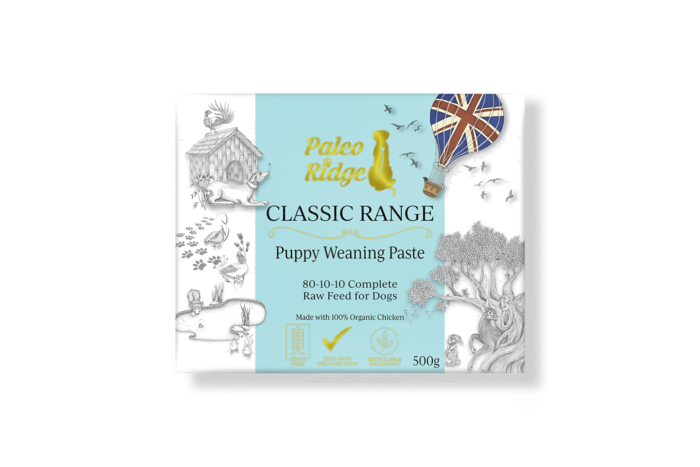
Recommended Food for Lakeland Terrier





Lakeland Terrier Food Costs
Estimated based on a typical Lakeland Terrier weighing around 8 kg, using the food prices shown above.
Per day
£1.96 - £2.51
Per month
£59 - £75
Per year
£716 - £916
Lakeland Terrier Characteristics
The Lakeland Terrier requires a great deal of exercise and does best with an active owner and is easy to train. They are excellent with children of all ages, but can be left for short to moderate periods without issue. The coat is fairly easy to maintain with regular brushing and sheds at a fairly average rate. This is a very clever breed that benefits from puzzle toys and training to keep their mind busy.
Lakeland Terrier Pros & Cons
Pros
- Energetic, affectionate, and loyal, full of character in a compact package
- Responds well to positive reinforcement and can be highly trainable
- Low-shedding coat that suits households where allergies are a consideration
- Adapts to apartment or rural living equally well, given enough stimulation
Cons
- Needs daily exercise and mental engagement to prevent boredom setting in
- Can develop a barking habit quickly if not addressed with training from an early age
- A skilled escape artist, requiring a very secure garden
- Can show aggression towards dogs of the same sex without proper management