Maltese
The Maltese is one of the oldest toy breeds, with a distinguished history as a cherished companion spanning over two thousand years.
Originating in the Mediterranean Basin, particularly around Malta, these diminutive dogs were prized by ancient Greek, Roman, and Phoenician aristocracies and feature prominently in classical art and literature.
1-4kg
Weight
Small
Size
12-14yrs
Lifespan
About the Maltese
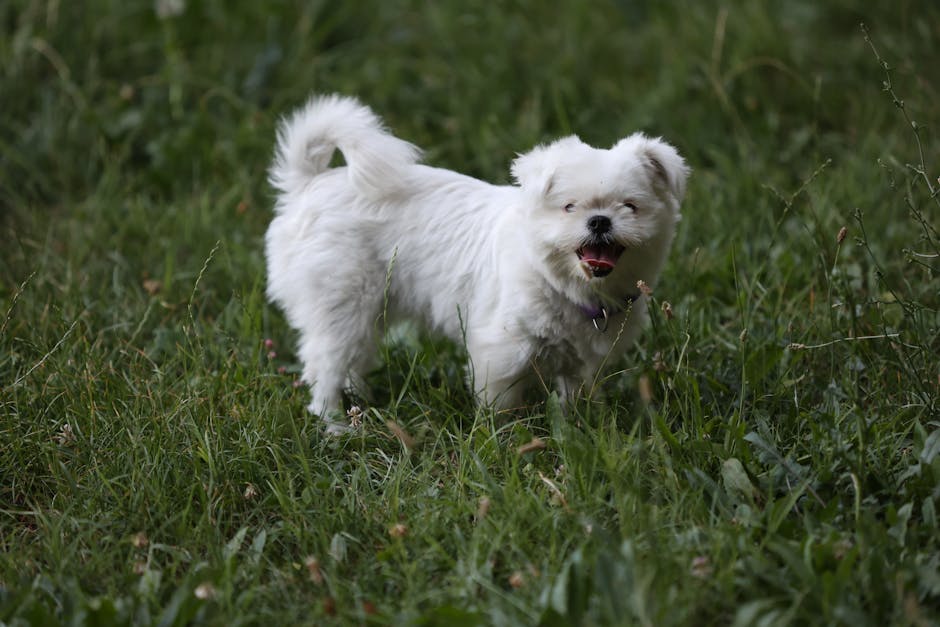
Today, the breed remains true to its heritage as a devoted lapdog and loyal family companion. Standing just 20 to 25 centimetres tall and weighing between 1 and 4 kilograms, the Maltese is instantly recognisable by its long, silky white coat that requires daily brushing and regular bathing to maintain its beauty. Beyond its elegant appearance, the breed displays a warm, affectionate temperament and genuine enthusiasm for human company. Despite their small stature, Maltese dogs are alert, confident and surprisingly effective watchdogs. They are intelligent and responsive, performing well in obedience training when handled with patience and kindness. This adaptable breed suits various living environments, including smaller homes, provided they receive adequate daily exercise, typically around 30 minutes, consistent grooming attention, and plenty of companionship. The Maltese thrives as a family pet where it can enjoy close human interaction and become a cherished centre of attention.
Maltese at a Glance
- Group
- Toy
- Size
- Small
- Weight
- 1–4 kg
- Height
- 20–25 cm
- Lifespan
- 12–14 years
- Coat
- Long
- Sheds
- No
- Exercise
- Up to 30 minutes per day
- Origin
- Mediterranean Basin
- Colours
- White
- Typical price
- £800–£2000
Maltese Temperament
The Maltese is a lively, affectionate and intelligent companion breed that has been bred purely for human company for centuries. It is warm and welcoming by nature, happy to greet everyone it meets with enthusiasm and charm. Despite its small and elegant appearance, the Maltese is alert and confident, making a surprisingly effective watchdog. It is devoted to its owners and enjoys being at the centre of family life, showering those it loves with affection. The Maltese is responsive and bright, capable of performing well in obedience if trained with patience and kindness. It suits a variety of living environments, including smaller homes, provided it receives daily exercise, regular grooming attention and plenty of companionship.
Maltese Lifestyle
The Maltese is content in a flat or small apartment and appreciates a small to medium garden to explore. Whether in the city or the countryside, they tend to settle well.
Dog Food for Maltese
Top-rated foods for Small breeds, ranked by FurScore. How we score →
Nutrition & Diet
A well balanced and high-quality diet that is developed specifically for small or toy dogs is advised for Malteses. Since this dog breed is exclusively white it is best to choose a diet with reduced copper and beta-carotene levels, which in normal amounts can lead to discolouration of the white coat. . Supplemented with prebiotics and essential fatty acids - an added bonus for a long-haired Maltese.
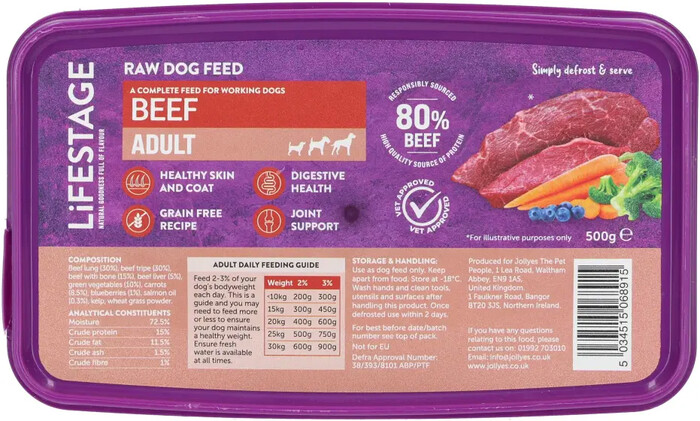
Recommended Food for Maltese

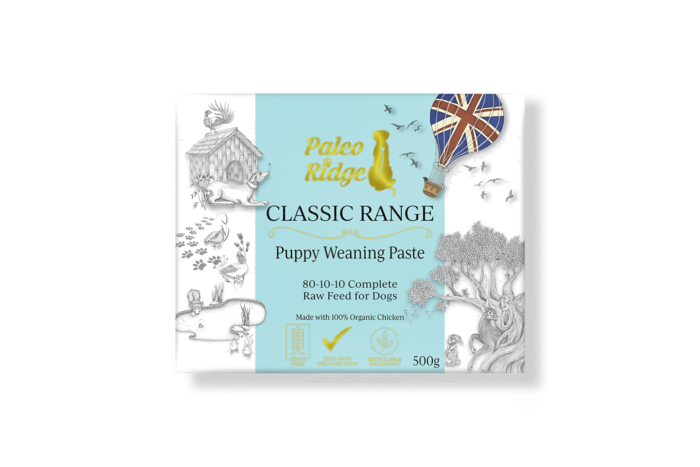
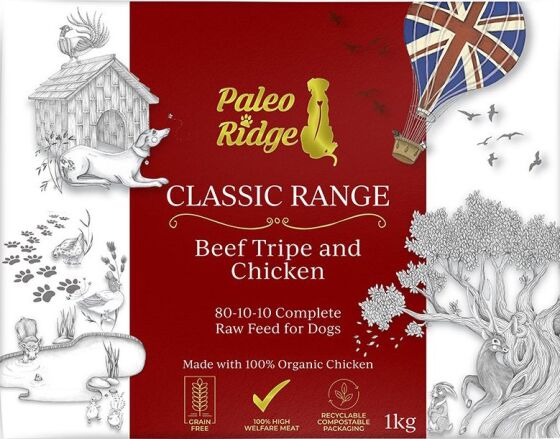

Maltese Food Costs
Estimated based on a typical Maltese weighing around 3 kg, using the food prices shown above.
Per day
£0.82 - £1.05
Per month
£25 - £31
Per year
£299 - £383
Maltese Characteristics
The Maltese suits owners who enjoy regular walks but don't want a high-intensity exercise partner and responds brilliantly to positive reinforcement. They do well with children in the right setting and are content being left alone for moderate periods. The coat is fairly high maintenance and needs consistent upkeep, but barely sheds at all. They are a highly intelligent breed that needs mental stimulation as well as physical exercise.
Maltese Pros & Cons
Pros
- Affectionate and eager to please, a consistently warm and loving companion
- Bright and playful, always keen to be involved in whatever is going on
- Gets along well with people and other pets, fitting easily into most households
- Their agreeable and gentle nature makes them one of the most adaptable small breeds
Cons
- Their long, silky coat requires regular and fairly involved grooming
- Some individuals can be fussy eaters, requiring a bit of patience at mealtimes
- Prone to knee issues, which may need veterinary attention over time
- Can develop a barking habit if not trained to manage it from an early age