Miniature Pinscher
The Miniature Pinscher, affectionately known as the Min Pin or King of Toys, is a spirited small breed with a surprisingly bold personality.
Originally developed in Germany during the nineteenth century as a ratter and stable dog, this compact breed is thought to descend from the German Pinscher, Italian Greyhound, and Dachshund, though its exact origins remain somewhat debated.
4-5kg
Weight
Small
Size
12-14yrs
Lifespan
About the Miniature Pinscher
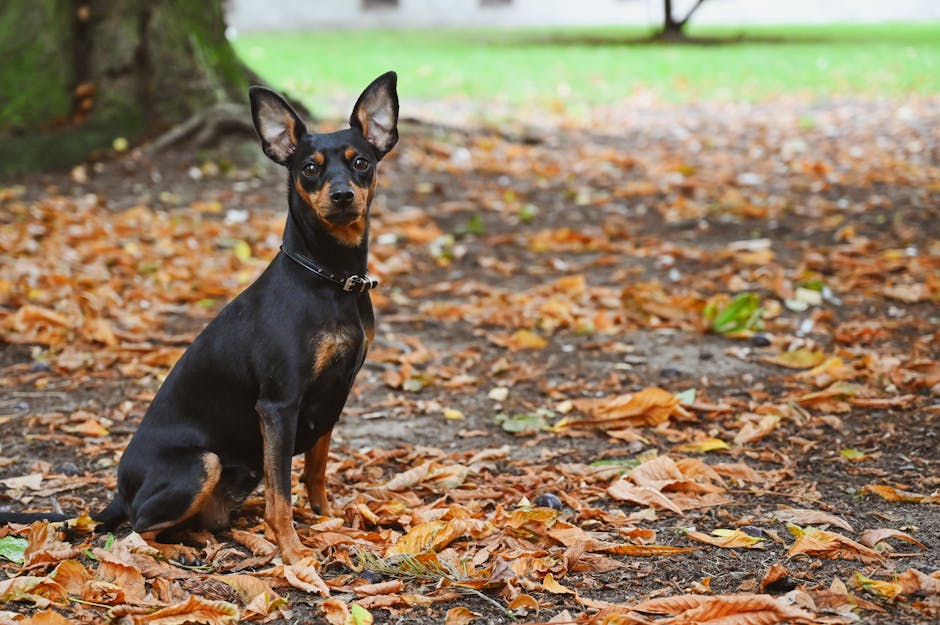
Contrary to popular belief, it is not a miniaturised Dobermann but rather an older, distinct breed in its own right. Standing 25–30 centimetres tall and weighing just 4–5 kilograms, the Miniature Pinscher is elegantly proportioned with a short, smooth coat and the breed's characteristic high-stepping gait. What truly sets this toy breed apart is its fearless, independent temperament. Despite its diminutive size, the Min Pin possesses the confidence and alertness of a much larger dog, making it an effective watchdog. Highly intelligent and energetic, it thrives on both mental and physical stimulation, requiring around 30 minutes of daily exercise. The breed's self-assured nature means it can be stubborn and requires consistent, patient training from an early age. Early socialisation is essential. Once established within a family, the Miniature Pinscher is devoted and affectionate, forming strong bonds with its owners. This spirited companion suits experienced dog owners who appreciate its bold personality and can meet its activity and training needs.
Miniature Pinscher at a Glance
- Group
- Toy
- Size
- Small
- Weight
- 4–5 kg
- Height
- 25–30 cm
- Lifespan
- 12–14 years
- Coat
- Short
- Sheds
- Yes
- Exercise
- Up to 30 minutes per day
- Typical price
- £600–£1200
Miniature Pinscher Temperament
The Miniature Pinscher is a proud, spirited and highly energetic small breed with the confidence and independence of a much larger dog. Despite its toy classification, it is all terrier at heart: alert, bold and fiercely loyal to its family. It makes an excellent watchdog, quick to sound the alarm and fearless when it comes to defending its home. The Miniature Pinscher is intelligent and curious, enjoying both mental and physical activity throughout the day. It can be stubborn and self-assured, so consistent training from an early age is important. It forms close bonds with its owners and is affectionate and devoted within the family, though it may be wary around strangers until trust is established.
Miniature Pinscher Lifestyle
The Miniature Pinscher adapts well to flat living and doesn't need a large home and is happy with a small or medium-sized outdoor space. They are equally happy in town or country.
Dog Food for Miniature Pinscher
Top-rated foods for Small breeds, ranked by FurScore. How we score →
Recommended Food for Miniature Pinscher
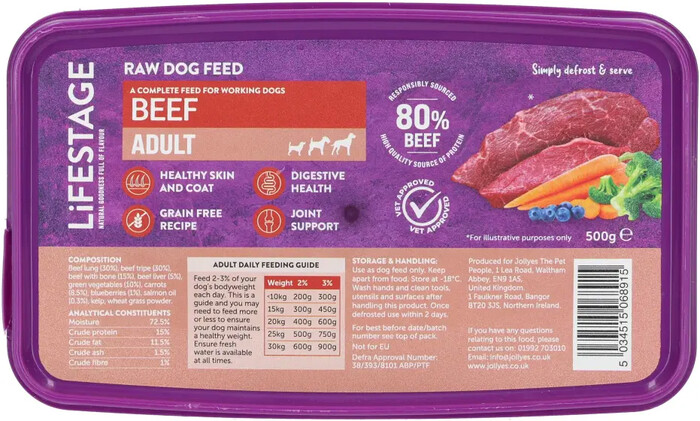

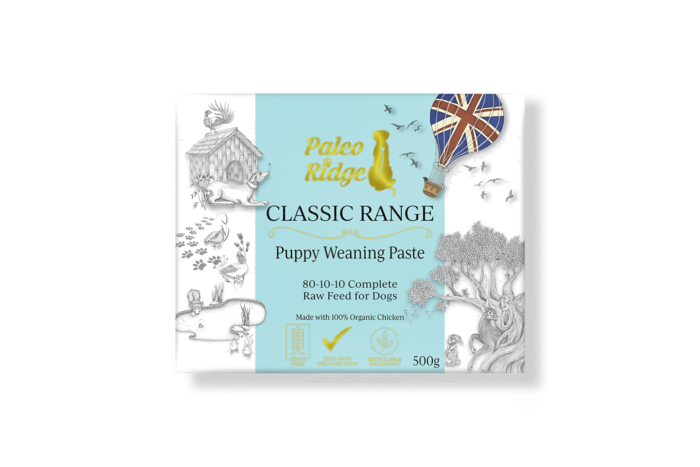
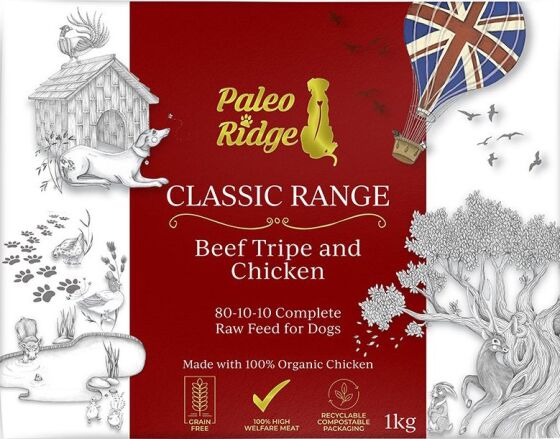
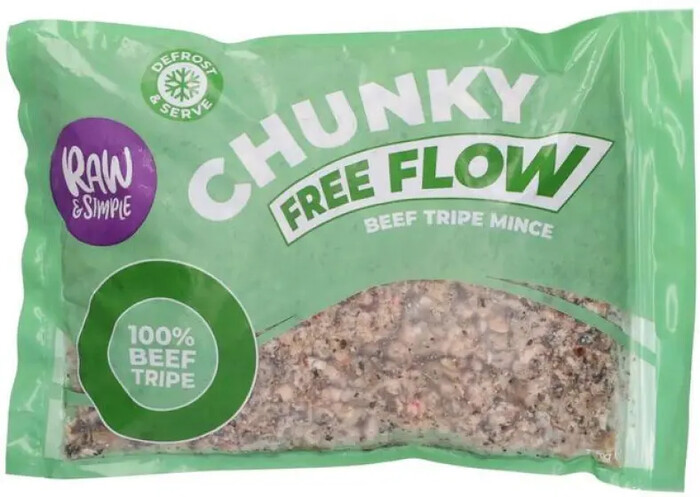
Miniature Pinscher Food Costs
Estimated based on a typical Miniature Pinscher weighing around 5 kg, using the food prices shown above.
Per day
£1.27 - £1.63
Per month
£38 - £49
Per year
£465 - £595
Miniature Pinscher Characteristics
The Miniature Pinscher thrives with vigorous daily activity and lots of space to burn off energy and is one of the easier breeds to train. They are well known for being gentle and patient with young children and manage alone time well with the right routine in place. The coat isn't too demanding but does need consistent brushing and sheds at a typical rate for the breed type. This is a very clever breed that benefits from puzzle toys and training to keep their mind busy.
Miniature Pinscher Pros & Cons
Pros
- Highly energetic and intelligent, excelling in canine sports and mental challenges
- A compact, striking dog with an elegant and self-assured presence
- Devoted and loyal, forming close bonds that last a lifetime
- Low-maintenance grooming needs, with a sleek and easy-to-care-for coat
Cons
- A strong-willed nature means early and consistent training is essential
- Prone to separation anxiety if left alone for long periods
- Housetraining can be challenging and requires patience and a firm routine
- An escape artist at heart, needing a very secure home environment