Neapolitan Mastiff
The Neapolitan Mastiff is an ancient and imposing breed originating from southern Italy, with roots potentially tracing back to the war dogs of ancient Rome.
Developed in the Campania region near Naples as a formidable guard dog, the breed gained international recognition in the mid-20th century through dedicated breeding programmes that preserved these impressive specimens.
50-70kg
Weight
Large
Size
8-10yrs
Lifespan
About the Neapolitan Mastiff
Standing 60 to 78 centimetres tall and weighing 50 to 70 kilograms, the Neapolitan Mastiff is immediately recognisable by its loose, deeply wrinkled skin that drapes across the head, neck, and body, alongside its characteristic slow, bear-like movement. The short, dense coat typically comes in grey, mahogany, tan, or black, requiring regular grooming and daily cleaning of the skin folds to prevent infection. Beneath this fearsome exterior lies a devoted and affectionate companion that forms strong bonds with its family. The breed is naturally protective without being overtly aggressive, though it remains reserved and wary of strangers, making early socialisation essential. Training requires patience and consistency from experienced owners who can provide calm, firm leadership. With exercise needs of up to one hour daily and a lifespan of 8 to 10 years, Neapolitan Mastiffs thrive as devoted house dogs for those prepared for their considerable care requirements.
Neapolitan Mastiff at a Glance
- Group
- Working
- Size
- Large
- Weight
- 50–70 kg
- Height
- 60–78 cm
- Lifespan
- 8–10 years
- Coat
- Short
- Sheds
- Yes
- Exercise
- Up to 1 hour per day
- Typical price
- £800–£1500
Neapolitan Mastiff Temperament
The Neapolitan Mastiff is a devoted and deeply loyal breed that forms strong, affectionate bonds with its family. Despite their imposing size, they are generally gentle and patient, particularly with children they have been raised alongside, though adult supervision is always advisable. They are naturally protective and will act as a formidable deterrent to intruders without being overtly aggressive. They can be reserved and wary around strangers, making early socialisation essential. Training requires patience and consistency, as they are independent thinkers who do not respond to heavy-handed methods. Best suited to experienced owners who can provide firm, calm leadership, they thrive as devoted house dogs.
Neapolitan Mastiff Lifestyle
The Neapolitan Mastiff is best suited to a larger home and really benefits from a large, secure garden. A country setting suits them well.
Dog Food for Neapolitan Mastiff
Top-rated foods for Large breeds, ranked by FurScore. How we score →
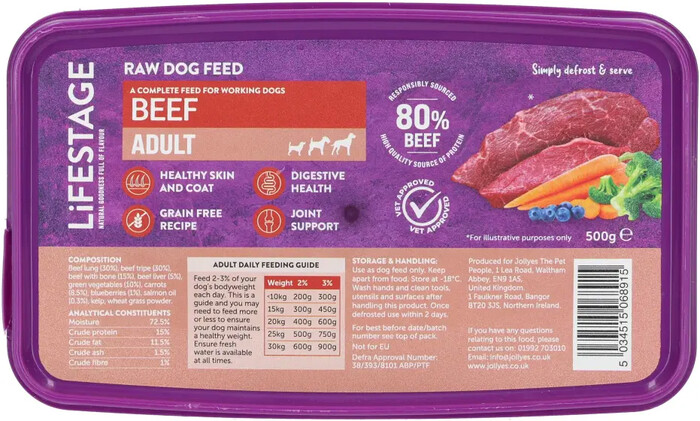
Recommended Food for Neapolitan Mastiff

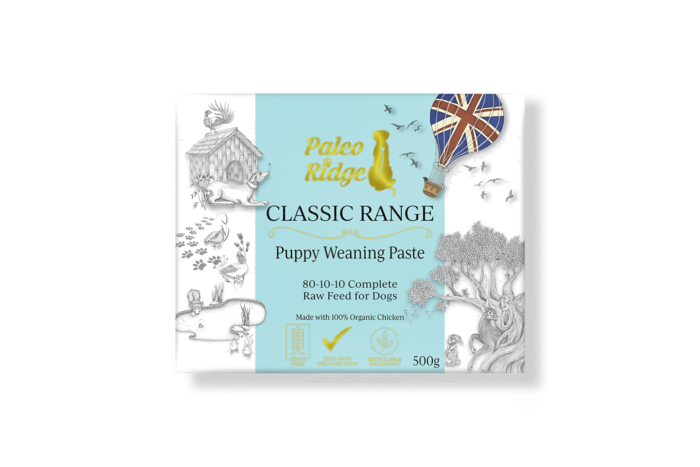
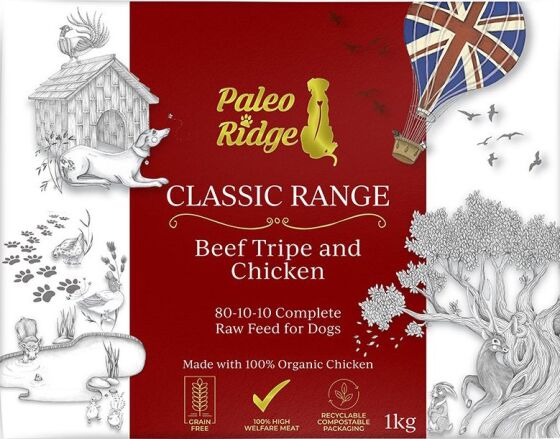

Neapolitan Mastiff Food Costs
Estimated based on a typical Neapolitan Mastiff weighing around 60 kg, using the food prices shown above.
Per day
£8.90 - £11.37
Per month
£267 - £341
Per year
£3247 - £4151
Neapolitan Mastiff Characteristics
The Neapolitan Mastiff benefits from regular activity without needing marathon sessions and picks up new commands with very little repetition. They tend to be fine around children, especially when raised alongside them and cope reasonably well on their own as long as they're well exercised first. The coat is reasonably straightforward to keep well-groomed and sheds at a fairly average rate. Intelligence is a real hallmark of this breed, and they do best with plenty of mental enrichment alongside exercise.
Neapolitan Mastiff Pros & Cons
Pros
- Deeply loyal and affectionate despite their powerful and imposing appearance
- Natural watchdogs with strong protective instincts that rarely need to be encouraged
- Moderate grooming needs for such a substantial dog
- Settles well in homes with a secure garden and experienced owners who understand the breed
Cons
- Not well suited to first-time owners given their size and specialist care needs
- Needs a secure, spacious environment to prevent escape and injury
- Prone to several hereditary health issues including hip dysplasia and heart conditions
- Sensitive to heat and needs extra care and precautions during warm weather