Norfolk Terrier
The Norfolk Terrier is one of the smallest working terrier breeds, developed in East Anglia during the 19th century as a skilled ratting and fox-bolting companion.
Closely related to the Norwich Terrier, it was recognised as a distinct breed in 1964, distinguished primarily by its characteristic drop ears that fold forward close to the cheeks.
5-5kg
Weight
Small
Size
12-16yrs
Lifespan
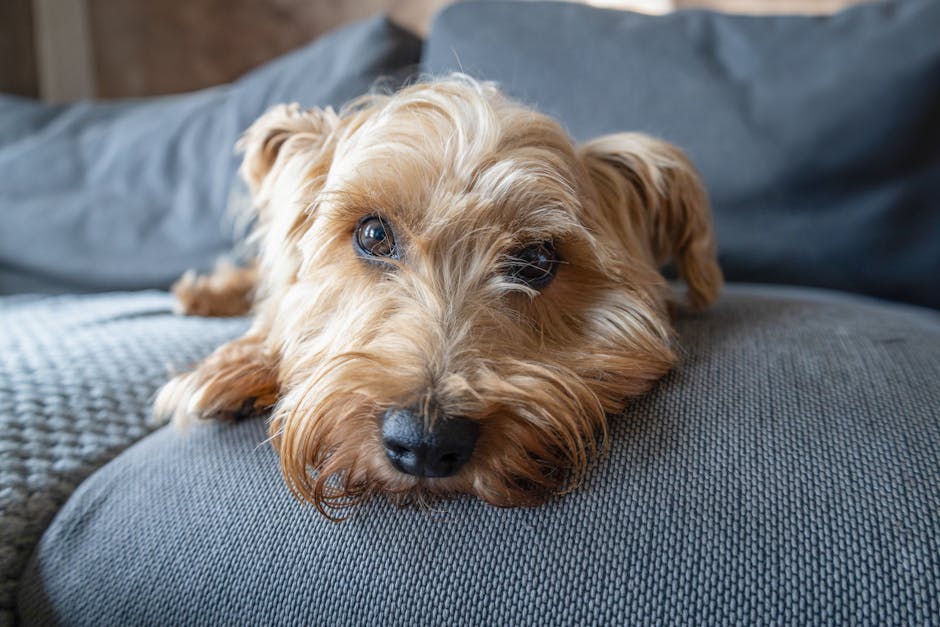
About the Norfolk Terrier
Standing 23–25 centimetres at the shoulder and weighing around 5 kilograms, this compact, low-built dog has a harsh, wiry double coat typically seen in red, grizzle, black and tan, or wheaten shades. Despite their diminutive size, Norfolk Terriers possess the spirited, fearless temperament you would expect from a working terrier, though they are notably more sociable and less quarrelsome than many of their terrier cousins. Their pack-working heritage has left them affectionate with family, generally good with children and other dogs, and alert without being aggressive. Intelligent and responsive to positive training, they do retain an independent streak typical of the group. With exercise needs of up to one hour daily and a lifespan of 12–16 years, Norfolk Terriers make rewarding companions for families seeking a characterful, manageable small dog with genuine working dog credentials and genuine charm.
Norfolk Terrier at a Glance
- Group
- Terrier
- Size
- Small
- Weight
- 5–5 kg
- Height
- 23–25 cm
- Lifespan
- 12–16 years
- Coat
- Medium
- Sheds
- Yes
- Exercise
- Up to 1 hour per day
- Typical price
- £800–£2000
Norfolk Terrier Temperament
The Norfolk Terrier is one of the smallest working terriers but carries a big personality in a compact, sturdy frame. Lovable and sociable by nature, they are rarely quarrelsome and generally get on well with children and other dogs. As a true working terrier, they have plenty of energy and require regular daily exercise to keep them happy and settled. They are alert and confident watchdogs, quick to announce approaching visitors, though their overwhelmingly friendly nature means they are unlikely to act as guard dogs. Intelligent and willing, they respond well to positive training, though their independent terrier streak may occasionally test a new owner's patience.
Norfolk Terrier Lifestyle
The Norfolk Terrier suits apartment living well and is content with a small or medium garden. They are versatile and do well in both city and countryside settings.
Dog Food for Norfolk Terrier
Top-rated foods for Small breeds, ranked by FurScore. How we score →
Recommended Food for Norfolk Terrier
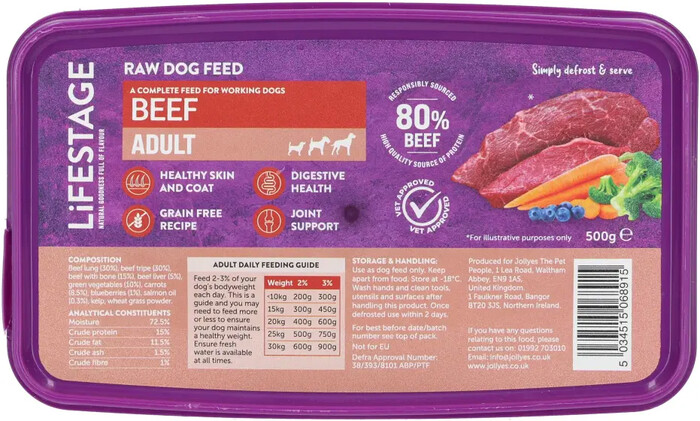
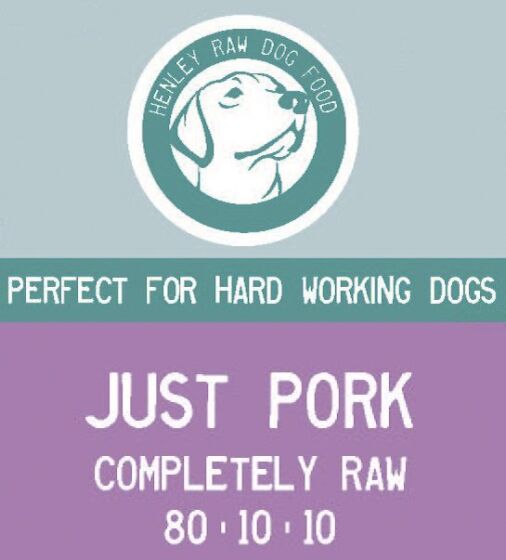
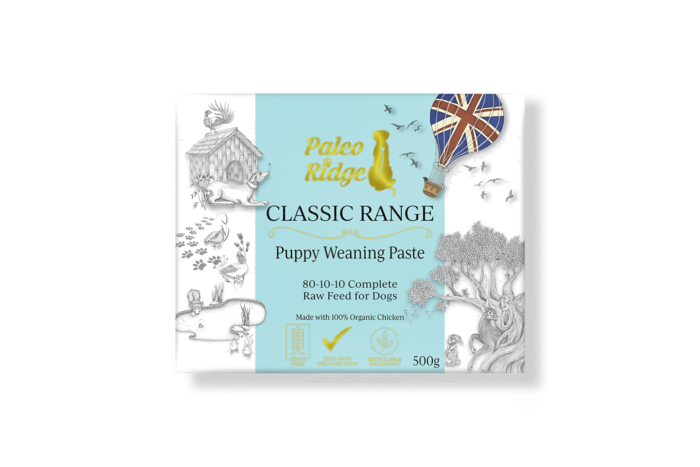
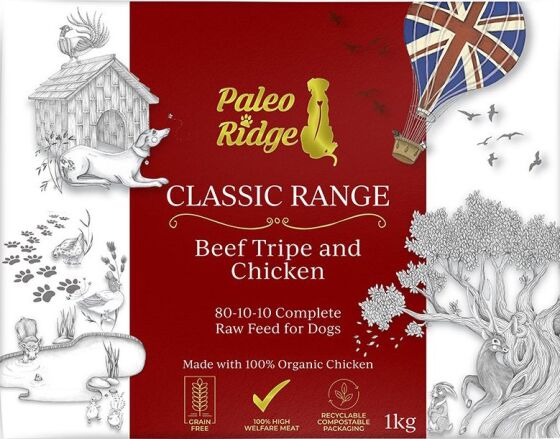
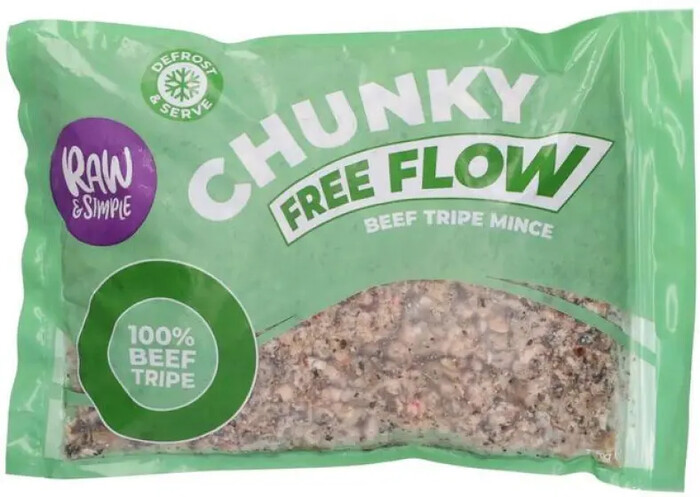
Norfolk Terrier Food Costs
Estimated based on a typical Norfolk Terrier weighing around 5 kg, using the food prices shown above.
Per day
£1.38 - £1.76
Per month
£41 - £53
Per year
£504 - £644
Norfolk Terrier Characteristics
The Norfolk Terrier is a high-energy breed that needs a real outlet every day and is a quick learner and a pleasure to train. They thrive in a busy family environment, but can be left alone without too much trouble if their needs are met. The coat needs occasional grooming to stay tidy and is a moderate shedder. They are sharp and quick-witted, which is a joy, but means they need keeping mentally occupied.
Norfolk Terrier Pros & Cons
Pros
- The smallest working terrier breed, combining a compact build with genuine toughness
- Energetic and affectionate with a quick, curious mind
- Adapts well to flat living when given access to a secure outdoor space
- Low-shedding coat that requires only moderate grooming
Cons
- A strong prey drive means careful supervision around smaller animals is always needed
- A skilled digger who can escape a garden that is not properly secured
- Consistent training is needed to manage vocal tendencies and other terrier habits
- Sensitive to harsh correction, responding far better to patient and positive methods