Norwich Terrier
The Norwich Terrier is a small, sturdy working terrier originating from East Anglia, where it was developed as a rat and fox-bolting dog in the late nineteenth century.
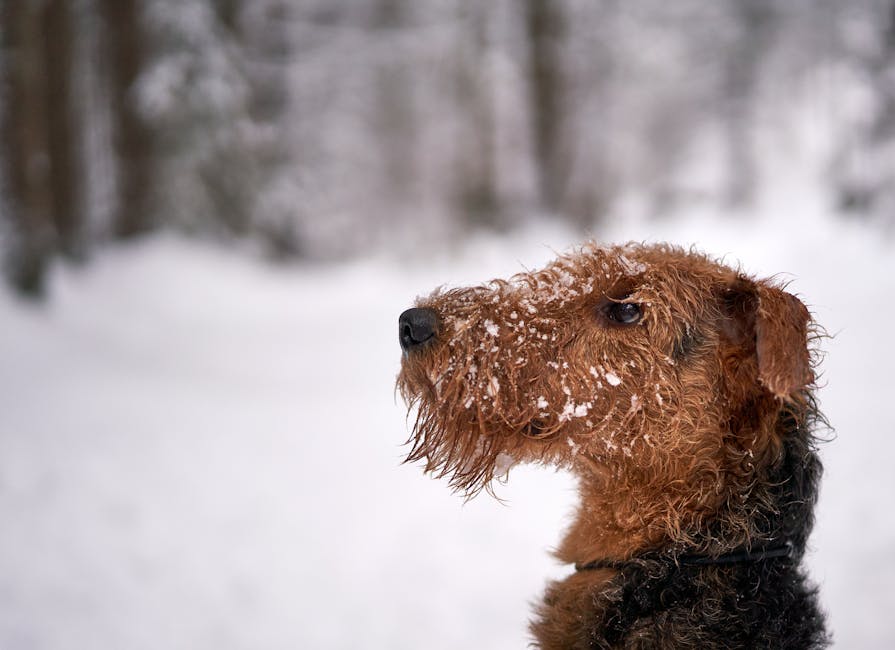
Closely related to the Norfolk Terrier, the two breeds share identical ancestry but were officially separated in 1964, with the Norwich distinguished by its characteristic prick ears that lend it an appealingly alert, foxy expression.
5-6kg
Weight
Small
Size
12-16yrs
Lifespan
About the Norwich Terrier
Standing 24–26 centimetres tall and weighing 5–6 kilograms, this compact terrier has a harsh, wiry double coat that comes in red, grizzle, black and tan, or wheaten, requiring regular hand-stripping to maintain its protective texture. Despite their small stature, Norwich Terriers possess considerable character and the fearless confidence of a genuine working dog. They are lively and curious, with an affectionate nature that makes them engaging family companions. Generally good-natured with people and reasonably sociable with other dogs when properly introduced, they do require an owner committed to daily exercise and mental stimulation. Their independent terrier spirit means training should be consistent and reward-focused to harness their considerable energy productively. Intelligent and trainable, the Norwich Terrier thrives with active owners who appreciate their spirited, entertaining personality and are prepared to meet their exercise needs.
Norwich Terrier at a Glance
⚠ Vulnerable Native Breed
The Norwich Terrier is listed as a Vulnerable Native Breed by the Royal Kennel Club, meaning fewer than 300 puppies of this breed are registered each year in the UK. These are British and Irish breeds at risk of disappearing simply because not enough people know they exist. Choosing one of these breeds helps keep an important part of our heritage alive.
- Group
- Terrier
- Size
- Small
- Weight
- 5–6 kg
- Height
- 24–26 cm
- Lifespan
- 12–16 years
- Coat
- Medium
- Sheds
- Yes
- Exercise
- Up to 1 hour per day
- Typical price
- £800–£1500
Norwich Terrier Temperament
The Norwich Terrier is a bold, energetic, and self-assured little dog with considerable character for its size. Strong-willed and lively, they need an owner committed to regular exercise and mental stimulation. Despite their feisty terrier nature, they are affectionate and loyal companions who warm quickly to new owners and form close bonds with their families. Generally friendly towards children, they can also get on reasonably well with other dogs when properly socialised from puppyhood. They are intelligent and trainable, though their independent spirit means sessions should be kept engaging and reward-focused. A Norwich thrives with an active owner who appreciates their spirited, entertaining personality.
Norwich Terrier Lifestyle
The Norwich Terrier is one of the breeds that copes well in a flat or apartment and is well suited to a home with a small to medium garden. They suit both urban and rural settings.
Dog Food for Norwich Terrier
Top-rated foods for Small breeds, ranked by FurScore. How we score →
Recommended Food for Norwich Terrier
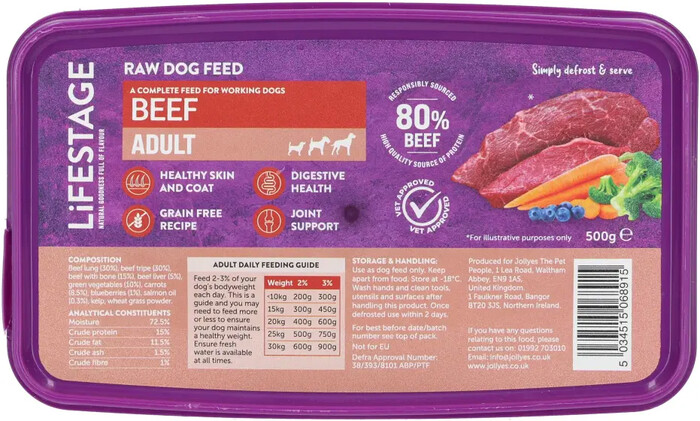
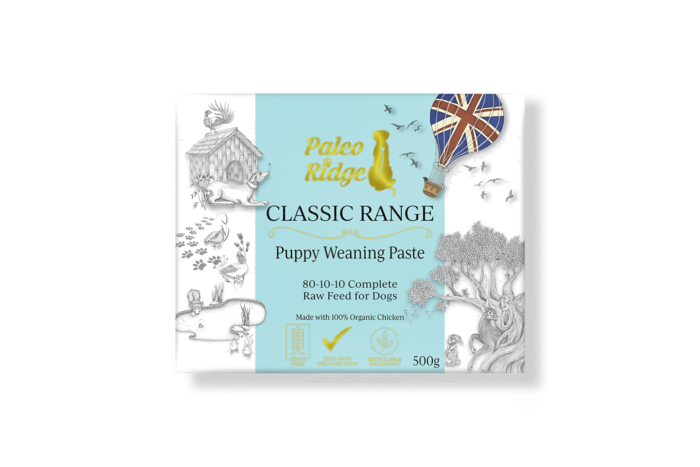
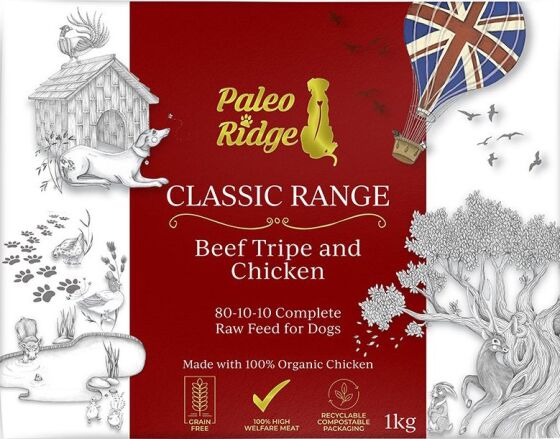

Norwich Terrier Food Costs
Estimated based on a typical Norwich Terrier weighing around 6 kg, using the food prices shown above.
Per day
£1.48 - £1.89
Per month
£44 - £57
Per year
£541 - £692
Norwich Terrier Characteristics
The Norwich Terrier needs at least one good run or long walk every day and is highly trainable and learns new things fast. They are excellent with children of all ages, but can manage moderate periods alone. The coat requires moderate grooming effort, nothing excessive and is neither a heavy nor light shedder. This is a very clever breed that benefits from puzzle toys and training to keep their mind busy.
Norwich Terrier Pros & Cons
Pros
- One of the smallest working terriers, well suited to compact living spaces
- Affectionate and intelligent, forming strong bonds with their family
- With consistent training, their prey drive can be well managed
- Low-shedding wiry coat that needs very little daily maintenance
Cons
- Requires hand stripping twice a year to maintain the coat properly
- Prone to digging and barking if they do not get enough exercise or mental stimulation
- Not the right fit for homes with small furry pets given their strong hunting instincts
- A stubborn streak can surface, making training a challenge without patience and consistency