Nova Scotia Duck Tolling Retriever
The Nova Scotia Duck Tolling Retriever, commonly known as the Toller, is Canada's national dog and the smallest of the retriever breeds.
Developed in Nova Scotia during the nineteenth century, these clever dogs were bred for a unique form of duck hunting, where they would playfully lure, or "toll," waterfowl within gunshot range before retrieving them from the water.
17-23kg
Weight
Medium
Size
12-14yrs
Lifespan

About the Nova Scotia Duck Tolling Retriever
This distinctive heritage has shaped their character, leaving them with an intelligent, energetic temperament and strong working drive that remains evident today. Standing 46 to 51 centimetres tall and weighing 17 to 23 kilograms, Tollers are athletic, medium-sized dogs with a striking double coat in shades of red or orange, often featuring white markings. Their coat requires regular brushing to maintain its condition. Highly trainable and responsive to positive methods, Tollers make devoted family companions when their considerable exercise and mental stimulation needs are met. They are generally excellent with children and other animals, though they can be initially reserved with strangers. Their playful, affectionate nature means they thrive in active households where they can participate fully in family life and outdoor activities. With proper socialisation and consistent handling from an early age, a well-raised Toller becomes a balanced, engaged companion that excels in both home and sporting environments.
Nova Scotia Duck Tolling Retriever at a Glance
- Group
- Gundog
- Size
- Medium
- Weight
- 17–23 kg
- Height
- 46–51 cm
- Lifespan
- 12–14 years
- Coat
- Medium
- Sheds
- Yes
- Exercise
- Up to 1 hour per day
- Typical price
- £1000–£2500
Nova Scotia Duck Tolling Retriever Temperament
The Nova Scotia Duck Tolling Retriever is an intelligent, energetic, and affectionate breed that bonds closely with its family. Generally excellent with children and other animals, a well-socialised Toller is outgoing and gentle in the home. As a retriever bred for demanding fieldwork, they have enormous energy reserves and require substantial daily exercise and mental stimulation to remain settled. They are highly trainable and responsive to positive methods but benefit from firm, consistent handling from an early age to prevent them from becoming wilful on walks. Playful and devoted, Tollers thrive in active households where they can be fully involved in family life and outdoor pursuits.
Nova Scotia Duck Tolling Retriever Lifestyle
The Nova Scotia Duck Tolling Retriever doesn't require a large home to be happy and does well with some outdoor space, even if it isn't large. Whether in the city or the countryside, they tend to settle well.
Dog Food for Nova Scotia Duck Tolling Retriever
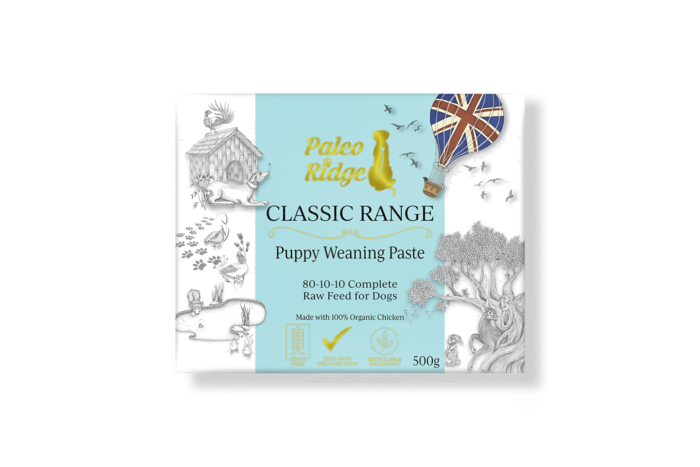
Top-rated foods for Medium breeds, ranked by FurScore. How we score →
Recommended Food for Nova Scotia Duck Tolling Retriever





Nova Scotia Duck Tolling Retriever Food Costs
Estimated based on a typical Nova Scotia Duck Tolling Retriever weighing around 20 kg, using the food prices shown above.
Per day
£3.90 - £4.99
Per month
£117 - £150
Per year
£1424 - £1821
Nova Scotia Duck Tolling Retriever Characteristics
The Nova Scotia Duck Tolling Retriever requires a great deal of exercise and does best with an active owner and is easy to train. They are excellent with children of all ages, but can be left for short to moderate periods without issue. The coat is fairly easy to maintain with regular brushing and sheds at a fairly average rate. This is a very clever breed that benefits from puzzle toys and training to keep their mind busy.
Nova Scotia Duck Tolling Retriever Pros & Cons
Pros
- Wonderful with children of all ages, naturally gentle and easy-going
- Highly trainable and eager to please, thriving in obedience and canine sports
- Moderate grooming needs, with a practical water-resistant coat
- Excellent stamina and a natural love of water, perfect for active and outdoorsy owners
Cons
- Needs daily exercise and mental engagement to prevent boredom taking hold
- Prone to separation anxiety when left alone for extended periods
- Sheds noticeably, particularly during the seasonal coat changes
- Can be a vocal breed, including the distinctive and surprising 'Toller scream' when excited