Papillon
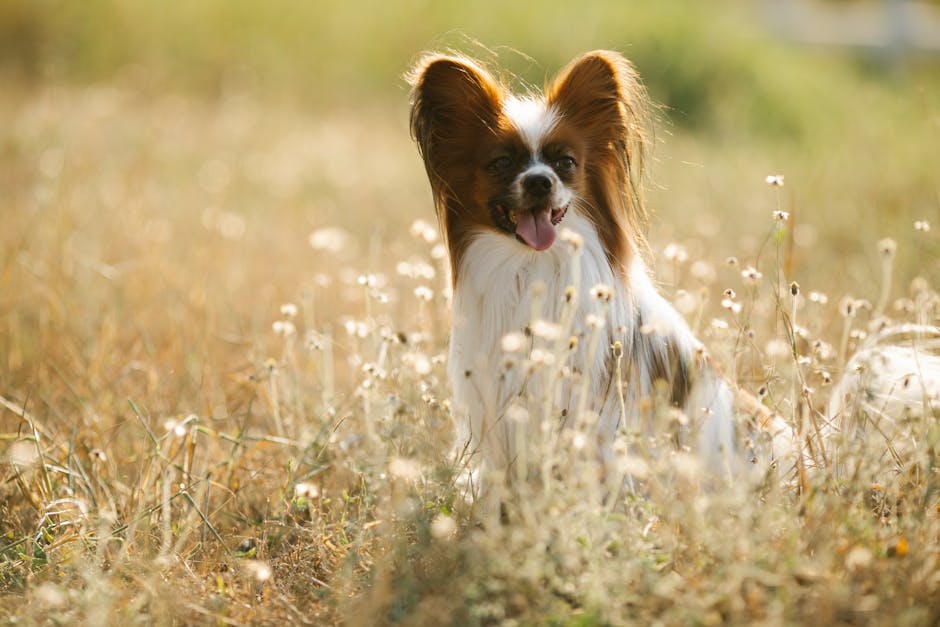
The Papillon is a small yet spirited toy breed, instantly recognisable by its distinctive butterfly-like ears, from which it takes its French name meaning "butterfly." Originally bred as a companion dog for European nobility, these elegant little dogs have evolved into cherished family pets and accomplished competitors in canine sports.
Weighing just 3–5 kg and standing 20–28 cm tall, Papillons possess a delicate, refined appearance with fine-pointed muzzles, large fringed ears, and silky coats typically featuring white markings with colour patches.
3-5kg
Weight
Small
Size
13-15yrs
Lifespan
About the Papillon
Despite their dainty frame, they display remarkable energy and confidence, with personalities far larger than their size suggests. Papillons are exceptionally intelligent and highly trainable, responding enthusiastically to positive reinforcement and excelling at obedience and agility work. Their temperament is friendly, affectionate, and sociable, making them wonderful companions for attentive owners and families with older children. They adapt well to apartment living provided they receive adequate daily exercise of up to 30 minutes and sufficient mental stimulation. These devoted companions thrive on human interaction and can become anxious without proper engagement. Their medium coat sheds regularly and requires consistent grooming. With a lifespan of 13–15 years, a well-cared-for Papillon makes a delightful, responsive addition to homes that can meet their social and intellectual needs.
Papillon at a Glance
- Group
- Toy
- Size
- Small
- Weight
- 3–5 kg
- Height
- 20–28 cm
- Lifespan
- 13–15 years
- Coat
- Medium
- Sheds
- Yes
- Exercise
- Up to 30 minutes per day
- Typical price
- £800–£1500
Papillon Temperament
The Papillon is a lively, friendly, and exceptionally intelligent toy breed that belies its small size with enormous energy and a keen mind. Clean, easy to manage, and adaptable to smaller homes, they are well suited to apartment living provided they receive adequate daily exercise. They thrive on human company, are quick to learn tricks and obedience routines, and respond enthusiastically to positive training. Generally non-aggressive, they are sociable with children and other animals, though care should be taken around much larger dogs due to the Papillon's small frame. Without sufficient mental and physical stimulation, they can become anxious or vocal. An engaging, devoted companion for attentive owners.
Papillon Lifestyle
The Papillon can live happily in a flat or apartment and is fine without outdoor space at home. They are comfortable in either a town or rural environment.
Dog Food for Papillon
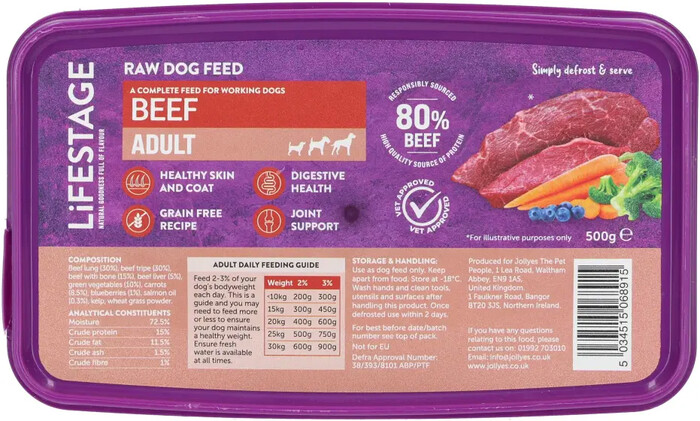
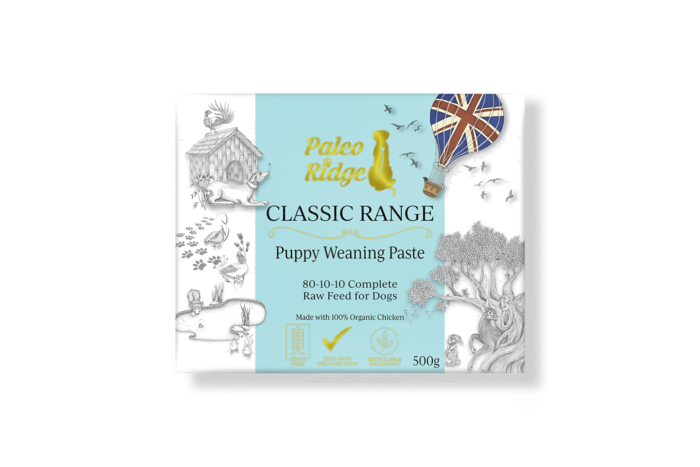
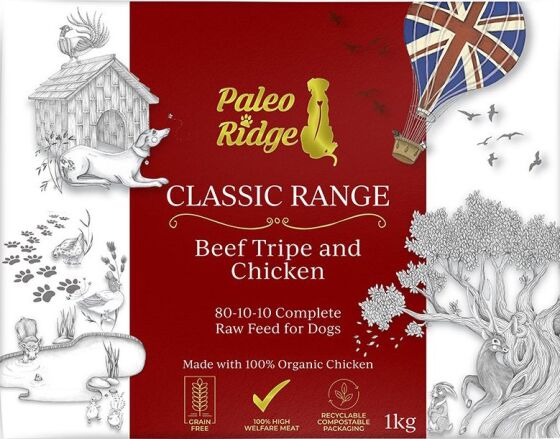
Top-rated foods for Small breeds, ranked by FurScore. How we score →
Recommended Food for Papillon

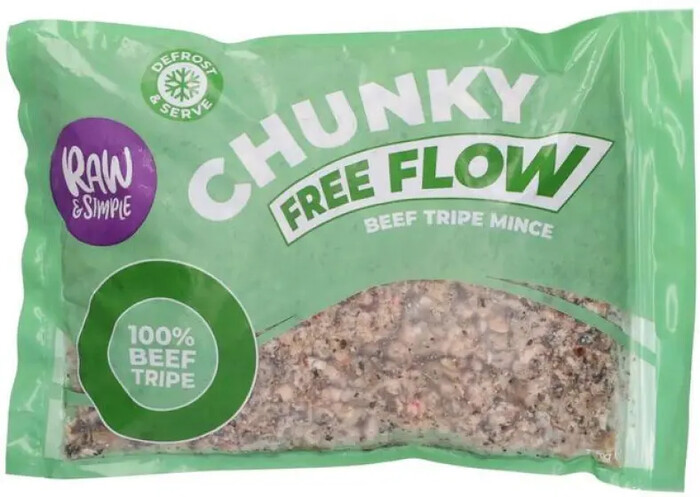
Papillon Food Costs
Estimated based on a typical Papillon weighing around 4 kg, using the food prices shown above.
Per day
£1.17 - £1.49
Per month
£35 - £45
Per year
£426 - £545
Papillon Characteristics
The Papillon needs at least one good run or long walk every day and trains well and tends to enjoy learning new skills. They love children and tend to get on brilliantly with them, but cope reasonably well on their own as long as they're well exercised first. The coat is manageable with a regular brushing routine and is neither a heavy nor light shedder. They are a highly intelligent breed that needs mental stimulation as well as physical exercise.
Papillon Pros & Cons
Pros
- Highly intelligent and one of the most trainable small breeds around
- Deeply affectionate and loyal, forming strong bonds with their family
- Equally at home in a flat or the countryside, adapting well to different lifestyles
- Excellent watchdog instincts that punch well above their weight
Cons
- Their silky coat needs daily grooming to stay in good condition
- Can struggle with separation anxiety if left alone for too long
- Their delicate bone structure means they need careful handling and close supervision
- Without proper training from early on, they can become persistent and vocal barkers