Pekingese
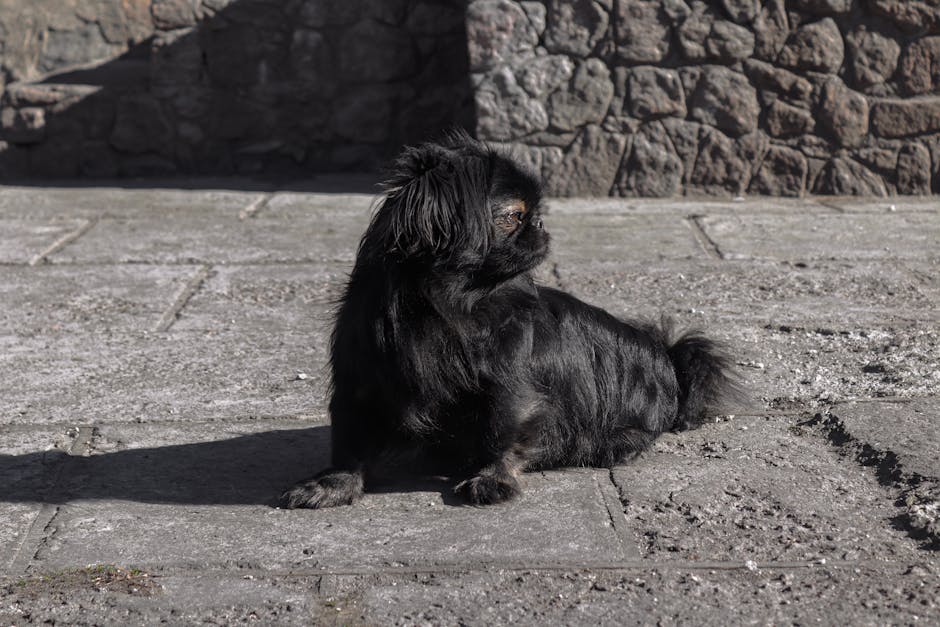
The Pekingese is a small yet dignified breed steeped in centuries of Chinese imperial history.
Originally bred as a companion for Chinese royalty, these distinctive dogs were so treasured that they were rarely allowed to leave the palace grounds.
50-50kg
Weight
Small
Size
12-14yrs
Lifespan
About the Pekingese
Today, they remain unmistakably regal, with their characteristic lion-like appearance featuring a long, flowing coat and flat face that commands attention despite their modest size. Don't let their small stature fool you, though. Pekingeses are remarkably courageous and self-assured, displaying an independence and quiet confidence entirely out of proportion to their frame. They are deeply loyal to their families, forming particularly strong bonds with their primary caregiver, though they tend to be reserved with strangers until properly socialised. These dogs suit homes that value calm companionship over constant activity, requiring only around 30 minutes of gentle daily exercise. Their moderate energy levels make them ideal for flat dwellers and older adults seeking devoted companions without demanding exercise routines. However, potential owners should understand that their long coat requires regular maintenance to keep it in good condition. Their independent nature also means they respond best to patient, reward-based training rather than forceful methods. For the right household, a Pekingese offers unwavering affection and characterful companionship.
Pekingese at a Glance
- Group
- Toy
- Size
- Small
- Weight
- 50–50 kg
- Height
- 64–78 cm
- Lifespan
- 12–14 years
- Coat
- Long
- Sheds
- Yes
- Exercise
- Up to 30 minutes per day
- Typical price
- £700–£4000
Pekingese Temperament
The Pekingese is a dignified, courageous, and fiercely loyal breed that carries an air of self-importance entirely at odds with its small stature. They are fearless and will not back down from confrontations with much larger dogs, which requires careful management. Deeply devoted to their families, they are affectionate on their own terms and form particularly strong bonds with their primary caregiver. They can be reserved and even aloof with strangers, making socialisation from an early age important. Though not highly energetic, they still benefit from regular gentle exercise. Independent and occasionally stubborn, they respond best to patient, reward-based training rather than forceful approaches.
Pekingese Lifestyle
The Pekingese is one of the breeds that copes well in a flat or apartment and appreciates a small to medium garden to explore. Whether in the city or the countryside, they tend to settle well.
Dog Food for Pekingese
Top-rated foods for Small breeds, ranked by FurScore. How we score →
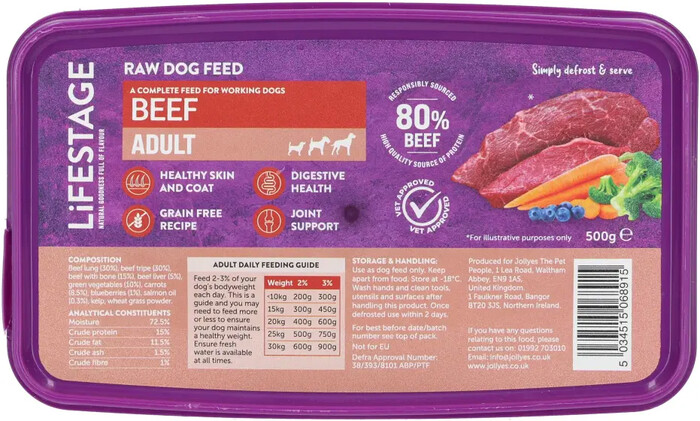
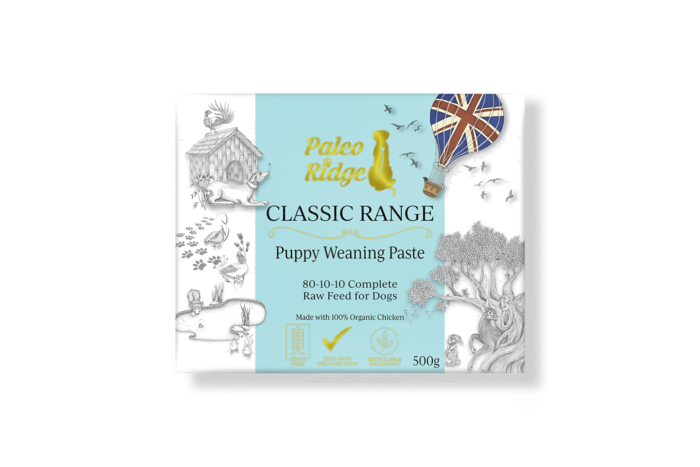
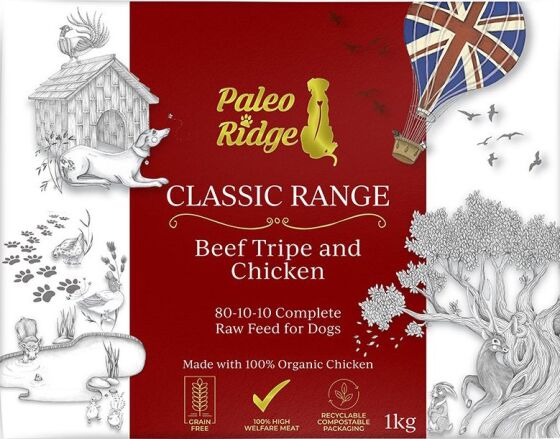
Recommended Food for Pekingese

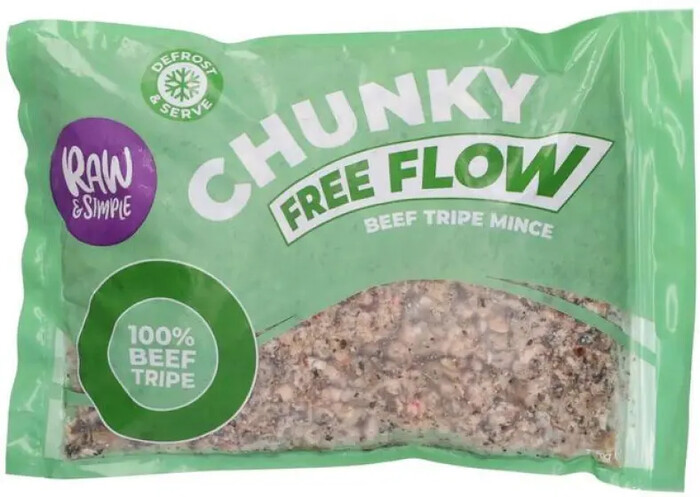
Pekingese Food Costs
Estimated based on a typical Pekingese weighing around 50 kg, using the food prices shown above.
Per day
£7.76 - £9.92
Per month
£233 - £298
Per year
£2832 - £3621
Pekingese Characteristics
The Pekingese suits owners who enjoy regular walks but don't want a high-intensity exercise partner and benefits from regular, short training sessions rather than long ones. They can do well with children in a settled family environment and can manage moderate periods alone. The coat requires frequent brushing and coat maintenance and sheds a fair amount but nothing unmanageable. Exceptionally clever, they thrive when given jobs to do or puzzles to solve.
Pekingese Pros & Cons
Pros
- Loyal and deeply affectionate companions with a calm, regal presence
- Their distinctive appearance and charming personality make them a real standout
- Well-suited to flat living, comfortable in smaller homes with moderate exercise
- Not overly demanding on exercise, which suits less active owners
Cons
- Their long, dense coat needs regular and thorough grooming to stay tangle-free
- Prone to brachycephalic health issues that require ongoing management
- Can be prone to separation anxiety if left alone for long periods
- Better suited to households with older children, as they can be intolerant of rough handling