Pomeranian
The Pomeranian is a spirited toy breed originating from Pomerania, a historical region spanning Poland and Germany.
Despite their diminutive size of just 18–30 cm and 2–3 kg, these dogs possess a remarkably bold and confident character that far exceeds their compact frame.
2-3kg
Weight
Small
Size
12-14yrs
Lifespan
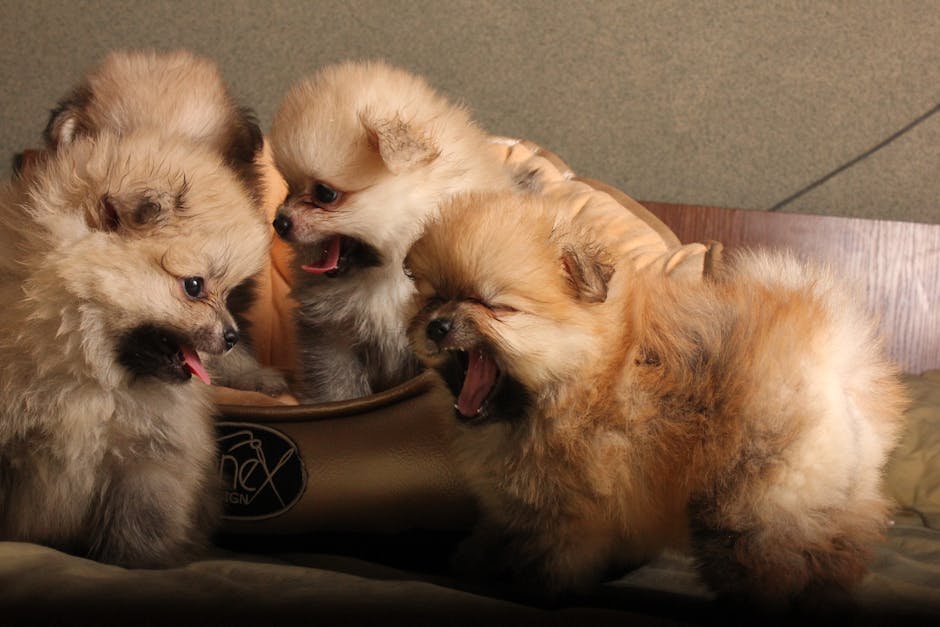
About the Pomeranian
Descended from larger Spitz breeds, Pomeranians retain the distinctive fox-like facial features and luxurious double coat characteristic of their ancestry, though their fluffy appearance masks an alert and intelligent temperament. These highly social companions are extroverted, curious, and deeply loyal to their families, thriving on human attention and interaction. Pomeranians are quick learners who excel at obedience and tricks, though their vocal nature means they can be enthusiastic watchdogs. Generally good with children when raised alongside them, they may initially be wary of strangers but warm quickly once socialised. Their lively personality demands daily engagement, including around 30 minutes of walking and mental stimulation to keep them content. With a lifespan of 12–14 years, Pomeranians make devoted companions for owners who appreciate their spirited nature and commit to consistent training and regular grooming of their striking coat.
Pomeranian at a Glance
- Group
- Toy
- Size
- Small
- Weight
- 2–3 kg
- Height
- 18–30 cm
- Lifespan
- 12–14 years
- Coat
- Medium
- Sheds
- Yes
- Exercise
- Up to 30 minutes per day
- Origin
- Poland and Germany (Pomerania)
- Colours
- White, Black, Orange, Cream
- Typical price
- £900–£2500
Pomeranian Temperament
The Pomeranian is a spirited, extroverted, and highly intelligent small breed with a surprisingly bold and confident character. Lively and curious, they retain strong instincts from their Spitz ancestry and can be alert, vocal watchdogs who are deeply loyal to their families. They thrive on human attention and are quick learners who respond well to positive training, capable of excelling at obedience and tricks despite their tiny size. Generally good with children when raised alongside them, though their small frame makes care around very young children necessary. They can be wary of strangers initially but warm up quickly. Active and energetic, they need daily walks and mental stimulation to stay content.
Pomeranian Lifestyle
The Pomeranian adapts well to flat living and doesn't need a large home and does well with a modest garden. They are equally happy in town or country.
Dog Food for Pomeranian
Top-rated foods for Small breeds, ranked by FurScore. How we score →
Nutrition & Diet
Pomeranians tend to be quite energetic and because of that they are likely to lose weight rather quickly, so feeding a diet high in fat and protein is recommended. Adult . Older Pomeranians are vulnerable to tooth decay and subsequent tooth loss, so switching to wet food (especially Pate kind . Pomeranians can develop a variety of skin conditions, that is why a diet with a proper balance of omega-3 and omega-6 fatty acids or supplements containing those (like Husse Salmon Oil) can somewhat alleviate such issues.
Recommended Food for Pomeranian
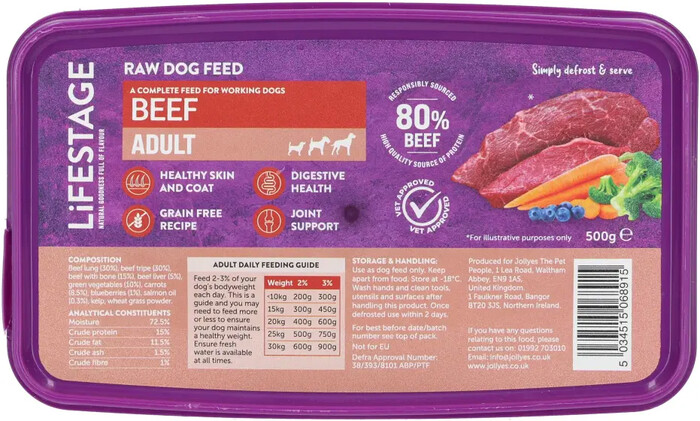

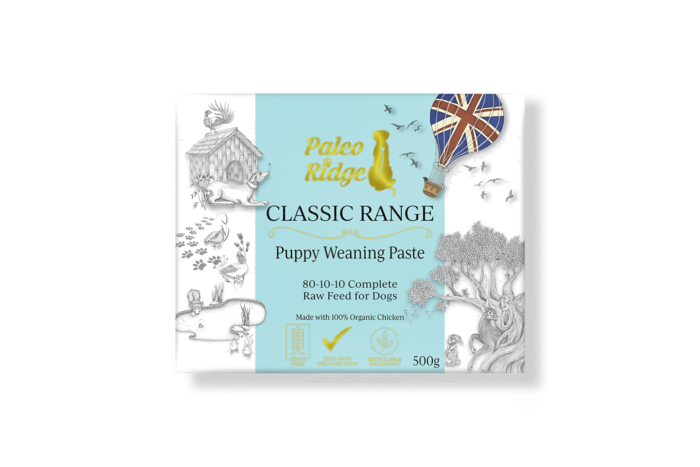
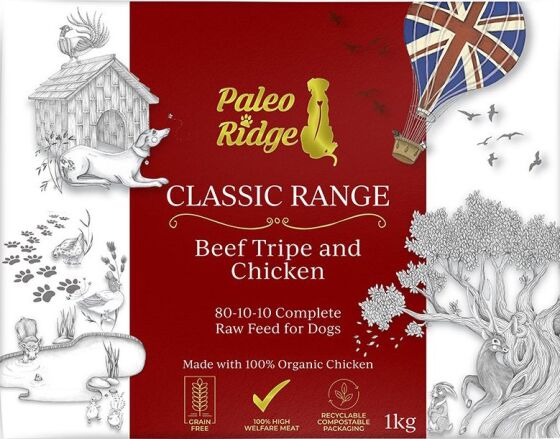

Pomeranian Food Costs
Estimated based on a typical Pomeranian weighing around 3 kg, using the food prices shown above.
Per day
£0.82 - £1.05
Per month
£25 - £31
Per year
£299 - £383
Pomeranian Characteristics
The Pomeranian needs a reasonable amount of daily exercise and is eager to please and takes to training naturally. They thrive in a busy family environment and manage alone time well with the right routine in place. The coat is demanding on the grooming front and may need professional grooming too and isn't particularly heavy or light on shedding. They are sharp and quick-witted, which is a joy, but means they need keeping mentally occupied.
Pomeranian Pros & Cons
Pros
- Highly intelligent and quick to learn, responding well to positive reward-based training
- Their compact size makes them a practical choice for flat and city living
- Affectionate and loyal, forming close bonds with their family
- Adaptable to a wide range of living environments and daily routines
Cons
- Their thick double coat needs regular maintenance to stay in good condition
- Without early socialisation and training, they can become persistent barkers
- Prone to separation anxiety if left alone too frequently
- Their small size calls for careful handling around young children and larger dogs